Heater Clothes: Cost, Options, and Care
Explore heater clothes costs, how to choose and maintain heated garments, and practical budgeting tips for homeowners, renters, and property managers investing in warmth.


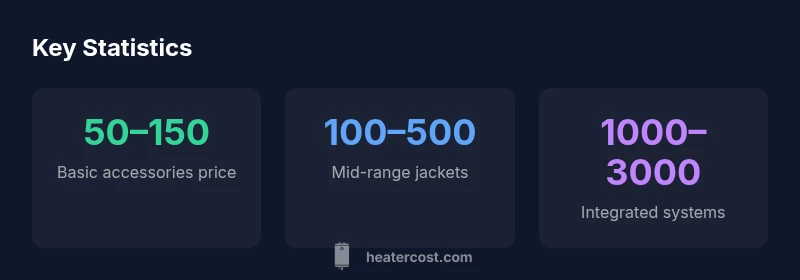
Heater clothes refer to heated garments and accessories designed to keep you warm in cold conditions. The price landscape varies by type: simple battery-powered heated accessories often start under $100, mid-range heated jackets run roughly $100–$500, and integrated heating systems in outerwear or smart textiles can range from about $1,000 up to several thousand dollars, depending on materials, battery options, and installation choices.
What heater clothes are and how they work
Heater clothes encompasses a spectrum of warming garments and accessories that use integrated heating elements—such as carbon-fiber threads, thin copper traces, or flexible heaters—and are powered by removable or rechargeable batteries. The core idea is simple: when you turn on the system, electrical resistance converts power into heat that is distributed through the fabric. The consumer market splits into three broad categories: basic heated accessories (gadgets like heated gloves or scarves), mid-range heated jackets, and fully integrated systems built into outerwear or even blankets. According to Heater Cost, the most popular setups balance warmth with comfort and weight, while keeping battery life reasonable for daily wear. In practice, most users choose based on activity level, climate, and how much they value portability versus uninterrupted warmth. For renters or frequent travelers, battery size and charging options are critical, because power availability can vary between locations. The ergonomic placement of heat zones matters; some garments use zones in the chest and back, others in sleeves or hands. The recipe for warmth also hinges on materials—the fabric’s ability to wick moisture and retain heat influences perceived warmth more than raw wattage alone. Heater clothes are not just for winter sports; they can extend the usability of outdoor work gear by hours, reducing reliance on external heating.
Cost drivers for heater clothes
Prices in the heater clothes market are driven by three core factors: garment type, heating technology, and battery system. First, basic heated accessories like gloves, socks, or small vests are the most affordable entry points, with simple heat elements and minimal fabric integration. Second, mid-range jackets introduce more sophisticated heating layouts, larger battery packs, and better fabric selection, which together boost cost but improve warmth consistency. Third, integrated heating in coats or premium outerwear uses multi-zone heating, higher-grade textiles, and often weatherproofing technology, which significantly raises the price. Heating elements vary too: carbon-fiber fabrics, resistive fibers, or thin flexible mats each have different heat profiles and durability. Battery chemistry and capacity alter both upfront cost and ongoing expenses, since larger packs require more protection and heavier housings. Finally, features like temperature control, auto shut-off, and connectivity to apps introduce additional cost but can improve safety and energy efficiency. Based on Heater Cost Analysis, 2026, shoppers should weigh warmth needs against weight, bulk, and daily wear to decide which combination of features offers the best value.
Price ranges and value by garment type
Understanding ranges helps you align warmth with budget. Basic heated accessories often fall in the low hundreds and are ideal for occasional use; mid-range jackets provide reliable warmth for daily activities in cold weather; integrated systems, while costly, offer uniform heat distribution for extended wear and demanding environments. Consider not only the sticker price but also battery replacement costs and warranty coverage. For renters and travelers, lighter, modular options may deliver the best balance of warmth and portability. For homeowners or outdoor workers, investing in a full-coverage system with longer battery life can yield the best long-term value, provided it aligns with typical usage patterns and maintenance capacity.
Reliability, safety, and performance features to prioritize
Key features influence both safety and warmth. Look for overheat protection, automatic shut-off after a predefined period, and certified components (where applicable). Heat zoning—coverage in chest, back, hands, or feet—impacts comfort and energy demand. Battery management systems, heat-up speed, and uniform heat distribution matter for a consistent experience. Consider windproof and water-resistant outer fabrics to protect electronics in inclement weather. Warranty length and customer support reflect reliability, giving you recourse if a component fails. In the Heater Cost framework, higher upfront cost often correlates with extended warranties and more robust safety mechanisms.
Maintenance, care, and longevity of heater clothes
Care routines extend the life of heater clothes. Always remove batteries before washing and follow manufacturer guidelines to avoid water ingress into electrical components. When hand-washing or machine-washing, use gentle cycles and cold water where permitted. Drying should avoid direct heat; air-drying is usually recommended, with batteries stored separately and fully charged when not in use. Voltage regulators and heat elements last longer with moderate use and correct storage conditions. Replace worn-out batteries promptly to maintain performance. Regular inspection for frayed cables or fabric wear helps prevent failures in field use. Warranty terms often cover defects in heating elements but not normal wear and tear, so mindful care matters for total cost of ownership.
Buying tips for homeowners, renters, and managers
Start with your typical environments: urban commutes, hiking, construction sites, or home winter comfort. Prioritize heat zone coverage and battery life suitable for your longest outings. Check fabric durability, washability, and whether the battery is user-replaceable. Compare app-based controls versus manual knobs for reliability. Renters may prefer lightweight, modular options that don’t require large upfront investment. Property managers should consider bulk purchase options with warranties and service plans.
Budgeting strategies for different use cases
Outdoor workers may need longer battery life and higher durability, justifying higher upfront costs. Casual users can opt for affordable heated accessories to address intermittent cold exposure. Travelers and commuters should value compact, easily rechargeable units. Consider total cost of ownership: upfront price plus battery replacements and potential professional alterations. By mapping your typical usage—time spent outdoors, climate, and storage constraints—you can estimate annual warmth costs and select the best balance of price, heat quality, and practicality.
The future of heater clothes and energy considerations
Advances in flexible heating elements, lighter battery chemistries, and smart control systems will continue to reduce weight while increasing heat efficiency. Expect longer-lasting batteries, faster heat-up times, and more durable fabrics that tolerate frequent washing. For energy-conscious shoppers, look for systems with efficient power management and eco modes that optimize heat output against battery life. As with any wearable technology, ongoing maintenance and warranty support will shape the long-term value of heater clothes in homes, workplaces, and outdoor activities.
Comparison of heater clothes types and typical costs
| Garment Type | Typical Cost Range | Battery Life | Care/Notes |
|---|---|---|---|
| Basic heated accessories | $50–$150 | 2–6 hours | Wipe-clean; battery life varies by model |
| Mid-range heated jacket | $100–$500 | 4–8 hours | Follow care label; remove battery during wash |
| Integrated heating coat | $1,000–$3,000 | 6–12 hours | Care per premium fabrics; longer warranties |
| Heated gloves | $60–$200 | 3–6 hours | Hand wash only; ensure battery is removed for washing |
| Heated socks | $50–$150 | 2–5 hours | Air dry; avoid high heat on battery packs |
Got Questions?
What are heater clothes and who should consider them?
Heater clothes are garments with built-in heating elements powered by batteries. They’re useful for outdoor workers, travelers, hikers, and anyone regularly exposed to cold temperatures.
Heater clothes are warmed garments with built-in heating. They’re great for anyone who spends time in cold weather.
How do I compare different heater clothes?
Compare heat zones, battery life, charging options, washability, weight, and warranty. Also consider your climate and typical activities to choose the right balance of warmth and convenience.
Look at heat zones, battery life, and washing instructions when comparing.
Are heated garments safe to wash?
Most heated clothes can be washed if the battery is removed and you follow the care label. Avoid submerging or exposing live components. Use cold water on gentle cycles where permitted.
Usually you remove the battery before washing and follow the care label.
How long do batteries last on heater clothes?
Battery life ranges widely by model, typically from a couple of hours to half a day. Higher capacity packs improve runtime but add weight and cost.
Most outfits offer a few hours of warmth per charge; check the pack size.
Do heater clothes require professional installation?
Most consumer heater clothes don’t require professional installation. Integrated or custom systems may need basic setup or alterations, depending on the garment.
Usually no pros are needed unless you’re adding embedded systems.
Which features affect energy efficiency?
Look for smart controls, automatic shut-off, low-power modes, and modular heat zones. Proper fit and insulation maximize warmth with minimal energy use.
Smart controls and good heat zoning help save energy.
“Heater clothes offer practical warmth for a range of activities, but total ownership costs depend on battery life, maintenance, and usage patterns.”
The Essentials
- Define your warming needs before shopping
- Expect price ranges by garment type and features
- Battery life drives ongoing costs and user experience
- Follow care guidelines to maximize longevity
- Compare warranties and safety certifications