Fireplace Space Heater Buying Guide 2026
Explore fireplace space heaters: how they work, cost considerations, safety tips, and a buying guide for 2026. Compare electric and gas models to heat small spaces efficiently and responsibly.


A fireplace space heater is a portable unit that adds supplemental heat to a room in front of a fireplace opening, without requiring a live fire. Most models are electric or gas-powered and are designed to be safe, energy-efficient, and easy to install for small to mid-sized spaces. They often provide a flame-like ambiance and adjustable heat output, making them a practical choice for quick warmth.
What a Fireplace Space Heater Does and How It Fits Your Home
A fireplace space heater is designed to sit near the fireplace opening and deliver focused warmth to a room without relying on a real fire. These portable devices are popular with homeowners who want a quick heat boost during shoulder seasons or in rooms where central heating is uneven. Most models fall into two fuel categories: electric and gas. Electric units are plug-in, simple to install, and emit no combustion byproducts, while gas models may offer higher BTU output for larger spaces but require proper venting and gas line connections. The Heater Cost team notes that when used correctly, a fireplace space heater can reduce the load on your central furnace and lower overall energy costs over time. For safety, always keep combustibles at a safe distance and use models with auto shutoff and tip-over protection.
The term fireplace space heater underscores both function and ambiance. Many units feature a faux flame effect for visual appeal, which can enhance a room's mood even when the heat is moderate. In 2026, homeowners increasingly view these devices as a practical, budget-conscious choice for zoned heating, especially in apartments, sunrooms, or bonus rooms that don’t justify full-time heating. As you evaluate options, consider the room size, insulation quality, and daily usage to estimate true operating costs. According to Heater Cost, successful implementations balance heat delivery with safety features and energy efficiency.
Electric vs Gas: Choosing the Right Fuel for a Fireplace Space Heater
When selecting a fireplace space heater, the fuel type is a primary differentiator. Electric models are typically easier to install, produce no fuel byproducts, and can be plugged into standard outlets. They offer precise thermostatic control and a variety of flame visuals, which helps with ambiance without increasing risk. Gas-fired space heaters often deliver higher heat output and can be more economical in very large spaces or colder climates, but they require venting, regular maintenance, and proper clearances to prevent combustion hazards. If your goal is to supplement a chilly living area with minimal footprint and simpler setup, electric is usually the safer default choice. If you need to heat larger rooms or wish to fully replace radiant heating in a specific zone, a properly installed gas unit may be more effective. Heater Cost analyses emphasize evaluating local fuel costs, venting requirements, and installation considerations before committing to gas.
Sizing and Placement: Maximizing Comfort and Safety
Correct sizing ensures the unit delivers comfort without creating hot spots or cold drafts. Start by measuring the room and determining a target temperature, then translate that into heat output needs. For electric models, wattage roughly correlates with the square footage you can heat—800 to 1500 watts covers many small to medium rooms, while larger spaces may require higher output or supplemental heating from other sources. Position the heater away from doors, windows, and heavy curtains, and never place it on soft furnishings. A stable surface with level footing reduces tipping risk. Always maintain at least 3 feet of clearance around the unit to prevent ignition of nearby materials. If your room is poorly insulated, consider adding weather-stripping or a door sweep to improve efficiency before relying on a supplemental heater.
Energy Costs and Efficiency: What to Expect
Energy costs depend on usage, wattage, and local utility rates. Electric fireplace space heaters use electricity and convert it into heat; the efficiency is high, but operating costs can add up with long runtimes. In general, you can expect per-hour energy costs that scale with wattage: 800 W units consume less energy than 1500 W units, but runtime drives total cost more than unit size alone. For many homes, using a fireplace space heater for 4–6 hours a day can be a cost-effective complement to central heating, especially in milder climates. To minimize expense, set the thermostat to a comfortable level and use the flame effect for ambiance rather than continuous visual heating, which saves energy without sacrificing perceived warmth. Heater Cost analyses show that the real savings come from reducing overall thermostat settings and targeting heat to occupied spaces.
Features That Add Value: Thermostats, Safety, and Remote Controls
Look for models with adjustable thermostats, multiple heat settings, and a clear display. A timer or programmable thermostat helps avoid unnecessary runtime. Safety features such as tip-over shutoff, overheat protection, and cool-to-touch surfaces are essential, especially in homes with children or pets. Many fireplace space heaters offer a realistic ember flame and color options to suit decor, but the primary function remains heating. Energy efficiency is often enhanced by features like energy-saving mode, auto shutoff after reaching target temperature, and high-quality ceramic elements. When comparing models, consider how easy it is to operate, clean, and maintain the unit, as that influences daily usage and long-term satisfaction. The right mix of features can improve comfort while keeping costs predictable.
Installation, Permits, and Maintenance: Practical Guidance
Portable fireplace space heaters typically require no permanent installation, which makes them convenient for renters. If you choose a gas-fired unit, you may need a licensed professional for gas connection and venting, depending on local codes. Always follow the manufacturer’s instructions for placement, electrical load, and clearances. Routine maintenance includes cleaning vents, inspecting cords and plugs, and checking for wear on electrical components. Gas models require annual checks for gas leaks and venting integrity. In all cases, keep combustibles away from the heater and ensure the area remains well-ventilated. A quick safety audit before each season helps prevent issues and extends the life of your heater.
Real-World Scenarios: When a Fireplace Space Heater Makes Sense
In apartments or homes with older or poorly insulated spaces, a fireplace space heater can deliver targeted warmth where central systems fall short. They excel for quick warming of a living room before guests arrive, for a chilly bedroom, or for a sunroom that isn’t in constant use. In cooler seasons with mild outdoor temperatures, a small electric unit can substantially reduce heating bills by letting you avoid turning up the main thermostat. For seasonal use or temporary comfort, these heaters are an economical option. The Heater Cost team highlights the importance of matching heat output to room size and using a model with robust safety features to mitigate potential hazards.
Money-Saving Tips and Budget Considerations
To maximize savings, compare energy costs across models and prioritize units with high efficiency and good heat distribution. Set a reasonable target temperature and avoid overheating the space. Use the flame effect sparingly to create ambiance without consuming extra energy. Take advantage of off-peak energy rates if your utility offers time-based pricing and run longer, lower-output sessions rather than short, high-output bursts. Consider combining a fireplace space heater with other energy-saving strategies, such as improved insulation or weatherstripping, to lower overall heating demand. Budget-conscious buyers should also factor in potential maintenance costs and the price of replacement parts over the unit’s lifetime.
The Heater Cost analysis indicates that small, well-chosen electric models tend to deliver reliable comfort at a predictable monthly cost, especially when used to supplement a central heating system.
Choosing the Right Model: A Quick Buying Guide
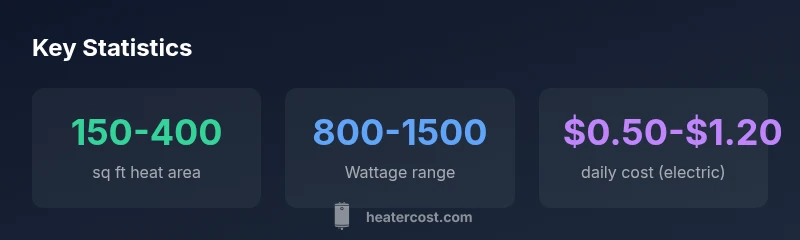
Selecting the right fireplace space heater requires balancing heat needs, space constraints, and safety priorities. Start by listing the room size and typical occupancy. Then evaluate the heater's heat output in watts or BTUs, the type of fuel, safety certifications, and warranty terms. For most homes, electric models with a 800–1500 W range offer a practical blend of warmth and efficiency for 150–400 sq ft spaces. If your space is larger or if you want faster heat delivery, review gas-fired units only if local codes permit vented operation and professional installation. Finally, read user reviews focusing on reliability, thermostat accuracy, and ease of maintenance to ensure long-term satisfaction.
Model overview: electric vs gas fireplace space heaters
| Model Type | Heat Area | Fuel Type | Typical Wattage |
|---|---|---|---|
| Electric fireplace space heater | 150-400 sq ft | Electric | 800-1500 W |
| Gas-fired space heater | 150-400 sq ft | Gas | N/A |
Got Questions?
What should I consider when choosing a fireplace space heater?
Consider room size, heat output, fuel type, safety features, and whether you value ambiance options. Compare efficiency, installation needs, and ongoing operating costs before buying.
Think about room size, heat output, and safety features to pick the right model.
Are electric models safer than gas heaters?
Electric models produce no combustion byproducts and are generally simpler to install, while gas units require venting and regular maintenance. Choose based on your space, budget, and local code requirements.
Electric heaters are usually safer and easier for most homes.
Can I use a fireplace space heater with a real fireplace?
Yes, as a supplemental heat source, but do not rely on it for primary heating. Ensure proper clearance and inspect for fire hazards regularly.
You can use it as a supplementary heat source with proper safety.
How much heat does a fireplace space heater provide?
Most units heat small to medium rooms, with adjustable output typically ranging from 800 to 1500 watts for electric models. Output varies by model and room conditions.
Expect heat to cover a single room, not the whole house.
Do these heaters require permits?
Portable electric models usually do not require permits. Gas installations may require a licensed professional and adherence to local codes for venting and connections.
Usually no permit, but check local regulations for gas models.
“In evaluating a fireplace space heater, focus on heat output, energy use, and safety features to ensure reliable, zone-specific warmth.”
The Essentials
- Assess room size before buying to match heat output
- Electric models are simpler and safer for most homes
- Gas models deliver high heat but require venting and professional installation
- Use targeted heat to reduce central heating needs
- Prioritize safety features and easy maintenance