Can You Use a Buddy Heater in a Tent? Safety Guide 2026
Explore whether a Buddy Heater can be used in a tent, understand the risks of carbon monoxide, and learn safer alternatives for camping warmth in 2026.


The short answer: No—do not operate a Buddy Heater inside a tent due to carbon monoxide and oxygen depletion risks. Instead use outdoor heating or a battery-powered heater, ventilate thoroughly, and follow manufacturer guidelines.
Can You Use a Buddy Heater in a Tent? Safety Overview
Using a Buddy Heater inside a tent is a decision that carries significant risk. The core concern is carbon monoxide buildup and reduced oxygen levels in an enclosed space, which can lead to poisoning or suffocation. For a safe camping experience, avoid indoor use and prioritize ventilation and outdoor heating when temperatures drop. According to Heater Cost, the safest approach is to heat outdoors, or use low-watt, battery-powered devices inside a tent only if you have adequate ventilation and a reliable CO alarm in place. This guidance aligns with general safety best practices emphasized by camping safety resources and Health & Safety guidelines for combustion heaters.
The Heater Cost team emphasizes that tents, sleeping areas, and other enclosed camping spaces are not designed for propane heater operation. When in doubt, move heat sources outdoors or switch to alternatives that do not burn fuel indoors. Before you decide, verify the heater’s manual for any explicit indoor-use warnings and never assume a tent is safe simply because it’s tent-sized.
How Buddy Heaters Work
Buddy Heaters burn propane to produce radiant and convective heat. They operate without electricity, making them convenient for camping, but they also emit combustion byproducts, including carbon monoxide, and consume oxygen in the surrounding air. The amount of heat can be substantial for a compact device, which means any leakage or improper placement can create dangerous conditions inside a small tent. The design relies on proper ventilation to disperse byproducts, and in an enclosed tent, those byproducts can accumulate quickly. This section explains the physics of heat transfer and why enclosed spaces amplify risk, helping readers weigh the trade-offs between warmth and safety.
From a safety perspective, most manufacturers advise against using these heaters indoors. The dual challenge is keeping occupants warm while maintaining breathable air. If you must use a Buddy Heater outdoors, ensure there is a clear, open space around the unit and never place it near flammable materials or fabric.
Risks and Real-World Scenarios
Carbon monoxide is a colorless, odorless gas that can cause sudden illness or death with prolonged exposure. In tents, CO can accumulate quickly because tents are closed environments with limited air exchange. Even small heaters can produce enough CO to reach harmful levels if the tent’s ventilation is insufficient. Real-world camping incidents often involve occupants waking with headaches, dizziness, or nausea—symptoms that can be mistaken for dehydration or a cold—before realizing CO exposure. Heater Cost analysis shows that the risk profile of indoor propane heater use in tents is not trivial and should be avoided wherever possible.
Another risk is oxygen depletion in a confined space. A heater draws oxygen to sustain the flame; in a tiny tent, this can reduce the breathable air for occupants, especially when sleeping. Inadequate clearance around the heater can also lead to accidental contact with tent fabric or gear, posing fire hazards. The combination of CO, reduced oxygen, and ignition risk makes indoor tent usage ill-advised and not recommended by safety experts.
Safer Alternatives for Tent Heating
There are safer paths to keeping warm while camping without burning fuel indoors. First, prioritize exterior heat sources: outdoor-rated heaters used in open spaces away from tents, with ample airflow. If you require warmth inside a shelter, consider battery-powered electric heaters designed for camping use and rated for the tent environment, ensuring they meet wattage limits and include built-in safety features. When selecting a warmer, look for devices with automatic shutoff, tip-over protection, and a verified safety certification. For extremely cold conditions, layered clothing, insulated sleeping pads, and proper tent insulation can dramatically improve comfort without introducing combustion risks.
Additionally, keep dry clothing and blankets on hand, choose a tent with good ventilation, and use a portable, weatherproof shelter when feasible. If heat is essential, prefer heating strategies that do not rely on burning propane in an enclosed space, and always have a reliable CO detector within the sleeping area. This approach aligns with best practices and reduces the likelihood of CO exposure during sleep.
Best Practices for Outdoor Use and Ventilation
If you must use any heat source outdoors, place the heater on a stable, nonflammable surface and maintain a clear radius around it. Use a windbreak to protect the unit from gusts that could topple it or blow heat back toward people. Ensure good ventilation for any design that vents internally but keep it outdoors when possible. Never store propane canisters inside living spaces or enclosed shelters, and always transport them upright and away from heat sources. Before lighting, inspect hoses, connections, and regulators for leaks and ensure you are operating in a well-ventilated area with no ignition sources nearby. These precautions reduce the risk of fire and gas exposure dramatically.
General planning should include an emergency plan: know how to shut off the heater quickly, have CO detectors active, and keep a first-aid kit accessible. If CO is detected, evacuate immediately and call emergency services. This section emphasizes that safety-focused planning and opting for safer alternatives can deliver warmth without compromising health and safety.
Manufacturer Guidelines and CO Safety
Manufacturers typically provide explicit warnings about indoor use and ventilation requirements. Adhering to the heater’s manual is essential, as it outlines proper operation, recommended spacings, and required ventilation. CO detectors with audible alarms add a critical safety layer, particularly when warmth is desired during sleep. Safety authorities and camping safety programs consistently advise against using propane heaters inside tents, arguing that even brief exposure can have serious health consequences. This guidance is reinforced by Heater Cost analysis and safety literature from outdoor safety organizations, which emphasize careful risk assessment and preference for non-combustion warmth sources in enclosed spaces.
How to Plan Your Tent Heating Setup
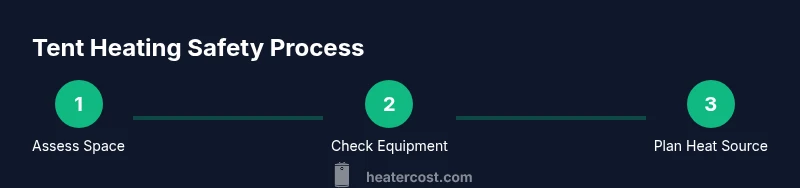
The safest overall approach combines careful planning, the right equipment, and a conservative use of heat sources. Before a trip, assess the climate, tent size, and occupant needs. If you choose to use outdoors heating, ensure you run the heater in an open area with sturdy, nonflammable surfacing and keep pets and children away. In-tent warmth options should be limited to non-combustion devices or external heating arrangements with robust CO monitoring and ventilation. The plan should include backup options for warmer nights, such as layering clothing and using warm sleeping gear, to minimize reliance on risky heating methods. By planning ahead, campers can stay warm while maintaining safety.
Authority Sources
For further reading, consult authoritative sources on camping safety, tent heating, and CO poisoning prevention:
- U.S. Consumer Product Safety Commission: CO safety guidelines (https://www.cpsc.gov)
- National Institutes of Health (NIH) — CO poisoning overview (https://www.nih.gov)
- American Red Cross — home and travel safety tips (https://www.redcross.org)
Tools & Materials
- CO detector (portable)(Battery-powered with reliable sensors; place near sleeping area)
- Non-flammable heater base or mat(Heat-resistant surface; keep away from fabric and gear)
- Propane canisters and regulator(Store and transport safely; never inside enclosed spaces)
- Ventilation accessories for tents(Open vents or windows; use tent designs with built-in vents)
- Emergency first aid kit(Be prepared for sudden illnesses or injuries)
- Fire extinguisher(Keep within easy reach of camping setup)
- Backup cooling/ventilation (battery-powered fan)(Useful for airflow in enclosed spaces with a safe heater outdoors)
Steps
Estimated time: 1-2 hours total (planning to safe setup and monitoring)
- 1
Assess ventilation and space
Evaluate the tent size, openings, and sleeping areas. Ensure there is enough airflow to dilute any potential combustion byproducts and that occupants can retreat to fresh air quickly if needed.
Tip: Prioritize open vents and avoid sealing the space too tightly. - 2
Check the heater's instructions
Read the Buddy Heater manual for indoor-use warnings. If the manual prohibits indoor use, do not attempt to adapt it for tent heating.
Tip: If anything seems unclear, err on the side of safety and opt for outdoor heat only. - 3
Set up safety equipment
Place a CO detector at head height near the sleeping area and ensure a fire extinguisher is easily accessible. Verify there are no ignition sources near flammable tent materials.
Tip: Test detectors before turning on any heat source. - 4
Position heat sources safely
If using heat outdoors or in a shelter, position away from fabric, bags, and footwear. Keep the device on a stable, non-flammable surface with ample clearance.
Tip: Avoid direct contact with any tent fabric or gear. - 5
Monitor continuously
Maintain continuous observation when any heater is in use and be prepared to shut off immediately if CO alarms sound or symptoms appear.
Tip: Never sleep with a heat source unattended indoors. - 6
Have an emergency plan
Know how to shut off the heater and evacuate the area if CO is detected or if symptoms arise. Have a phone ready to call for help if needed.
Tip: Practice the plan with all campers before dark.
Got Questions?
Can a Buddy Heater be used inside a tent at all?
Most safety guidelines and manufacturer instructions discourage indoor use of Buddy Heaters in tents due to carbon monoxide risk. If warmth is needed, prioritize outdoor heating or non-combustion options with proper ventilation and CO monitoring.
No, indoor use in a tent is not recommended because of CO risk; use outdoor heat sources or non-combustion options with ventilation.
What are signs of carbon monoxide exposure I should look for while camping?
Common early symptoms include headache, dizziness, nausea, and confusion. If you notice any of these while a heater is in use, move to fresh air immediately and seek medical advice.
Headache, dizziness, and nausea can signal CO exposure. Get to fresh air right away and seek help if symptoms persist.
Are there tent-safe heating options?
Yes, consider battery-powered electric heaters rated for camping use or heat strategies like layered clothing and insulated sleeping gear. Always prioritize non-combustion warmth sources inside tents.
Yes—look for camping-rated electric heaters or rely on insulating layers inside the tent.
Should I use CO detectors when camping with heaters?
Yes. Place a CO detector near sleeping areas and test it regularly. It provides an essential safety alert if CO levels rise unexpectedly.
Yes, always use a CO detector near sleeping areas and test it often.
What should I do if my CO detector goes off?
Shut off any heater immediately, evacuate to fresh air, and call emergency services if symptoms develop. Do not re-enter until it’s safe and the detector is reset.
Turn off heat sources, leave the area, and seek help if you feel unwell.
Is wind or weather a factor in heater safety for tents?
Yes. Wind can affect heat direction and ventilation, potentially pushing combustion byproducts toward occupants. Favor outdoor use in open, well-ventilated spaces and avoid enclosed areas during gusty conditions.
Wind can worsen conditions; use heat outdoors and ensure good airflow.
Watch Video
The Essentials
- Avoid using Buddy Heaters inside tents due to CO risk.
- Ventilation and CO detectors significantly improve safety when heating outdoors.
- Plan safe heating strategies that prioritize non-combustion options for indoor spaces.
- Always follow manufacturer guidelines and have an emergency plan ready.