Battery-Powered Heaters: What Homeowners Need to Know in 2026
Explore can you buy heaters that run on batteries, including how they work, safety considerations, best use cases, and practical buying tips for homeowners, renters, and property managers in 2026.


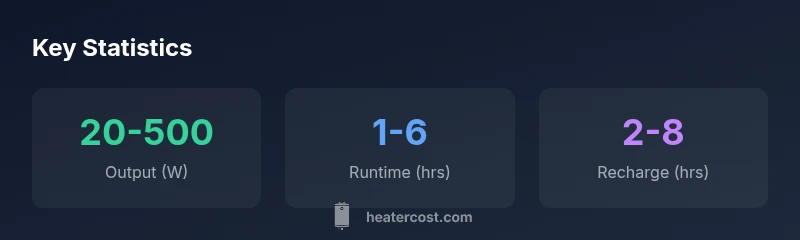
Yes, you can buy heaters that run on batteries, but options are limited and usually small, portable devices meant for personal warmth or emergency use. Heat output typically spans from a few tens of watts up to a few hundred watts, and runtime depends on battery type and capacity. For reliable heat, pair portable units with safe power back‑ups.
Can You Buy Heaters That Run on Batteries?
If you’re exploring portable warmth options, you’ll find a range of battery-powered heaters on the market. While the question can you buy heaters that run on batteries is answered affirmatively, the products are typically compact devices designed for personal warmth, not whole‑room heating. For homeowners, renters, and property managers, this means battery heaters are best as supplemental heat sources, emergency backups, or for outdoor use where access to a conventional power supply is limited. In 2026, the market features several form factors—from small desk heaters and hand warmer-style units to wearable heating garments—each with distinct heat output and runtimes. Expect a trade-off between heat delivered and battery life, and plan accordingly for your space.
From a practical standpoint, battery-powered heaters are most valuable in temporary spaces or during power outages. They can provide targeted warmth in bedrooms, home offices, or drafty corners, helping reduce overall energy costs by avoiding unnecessary heating of unoccupied areas. However, for living rooms or open-plan spaces, corded heaters or central heating remain more reliable and cost-effective over time. Consider your climate, insulation, and how often outages occur when deciding how many battery-powered units to keep on hand.
According to Heater Cost, the practicality of battery-powered heaters hinges on your expectations: they are not a substitute for a full heating system, but they offer flexible, moveable warmth when you need it most. This nuance matters for budgeting and safety planning, particularly in regions with extreme weather where continuous heating matters for comfort and health.
How Battery Heat Technology Works
Battery-powered heaters rely on electricity stored in chemical cells to generate heat. The main types of chemistries you’ll encounter are lithium-ion and nickel-metal hydride, with solid-state and lithium‑iron phosphate variants appearing in some newer models. The heater converts electrical energy into thermal energy via resistive heating elements. Efficiency, safety features, and heat distribution are highly dependent on design and battery management systems (BMS).
- Lithium-ion cells offer high energy density and moderate discharge rates, suitable for portable devices. Expect runtimes to reflect battery amperage and the device’s watt draw.
- Nickel-metal hydride cells tend to be cheaper and more robust for simple devices but have lower energy density, resulting in shorter runtimes for the same size.
- Battery management systems protect against overcharging, overheating, and short circuits, which are critical for any heating device.
When evaluating models, check the battery chemistry, capacity (in amp-hours or watt-hours), and the device’s peak wattage requirement. A higher wattage draw will drain a battery faster, reducing runtime, while a larger battery increases weight and cost. The goal is to balance heat needs with acceptable runtime.
Real-World Use Cases and Scenarios
Battery-powered heaters shine in specific scenarios where corded heaters are impractical or unavailable. Consider these common use cases to gauge value:
- Emergency backups: In regions prone to power outages, having one or two battery-powered units can keep a bedroom or workspace comfortable while you wait for power restoration.
- Small, drafty spaces: A compact unit can target a single room or corner, reducing overall heating losses and energy waste.
- Outdoor or semi-outdoor areas: Covered patios, garages, or porches can benefit from portable heat without running long extension cords.
- Travel and camping: Battery heaters enable warmth in tents or cabins without relying on propane or electricity.
For renters or property managers, stacking a few units across different rooms can add resilience during outages, provided you follow safety guidelines and product manuals. Always confirm the device is rated for the intended environment and check for safety certifications.
Safety, Comfort, and Practical Limitations
Safety is paramount with battery-powered heaters. Look for certifications (e.g., UL or CE marks), automatic shutoff features, tip‑over protection, and overheat sensors. These devices can pose risks if used improperly or left unattended. Keep batteries away from moisture, heat sources, and flammable materials. Never modify battery packs or bypass safety features.
- Heat output vs. battery life: A higher watt device will deplete the battery more quickly. If you need longer runtimes, opt for devices with lower continuous output and better insulation of your space.
- Ventilation and CO safety: Battery-powered heaters do not produce combustion emissions, but improper use can still pose fire hazards. Maintain clear space around the unit and never cover heat vents.
- Battery care: Charge cycles, storage temperature, and avoiding complete discharge help extend pack life. Follow manufacturer guidelines for charging equipment and storage conditions.
In practice, modest heat from a battery-powered heater can improve comfort on cold days, but it should be part of a broader strategy that includes proper insulation and a backup power plan.
How to Compare Models: Key Criteria and Practical Tips
When comparing models, start with your space and heat needs. Use these criteria to guide buying decisions:
- Heat output vs. runtime: Match wattage to the size of the space you intend to heat and estimate runtime based on battery capacity.
- Battery type and capacity: Higher energy density devices with larger battery packs deliver longer runtimes, but expect heavier units.
- Recharge options and speed: Some units support quick charging or pass-through charging with solar or grid power, which can be valuable during outages.
- Safety features: Look for auto shutoff, tip-over protection, overheat protection, and certifications from recognized bodies.
- Durability and warranty: Consider build quality, IP ratings for moisture exposure, and warranty coverage for both the heater and battery.
Budget wise, battery-powered heaters span a wide price range. Plan for the cost of replacement batteries and any additional safety gear. Reading independent reviews and Heater Cost’s own analysis helps you avoid overpaying for limited runtimes.
Planning for Heating Resilience: Backups and Energy Management
For households that want resilience without fully upgrading their heating system, a mix of strategies works best. Pair small battery-powered heaters with energy management practices and emergency planning:
- Use battery heaters in conjunction with improved insulation, weatherstripping, and window treatments to reduce overall heat loss.
- Create a layered warmth approach: base-load central heat for primary rooms, supplement with battery heaters in problem areas.
- Consider solar-ready packs or portable power banks to extend runtime during outages, when safe and appropriate.
- Store spare batteries in a cool, dry place and rotate them to maintain capacity.
Keep a realistic expectation of how much warmth a battery-powered device can provide. They are a practical supplement, not a replacement for a full heating system in most homes.
Maintenance and Care: Extending Battery Life and Usability
Maintenance is essential to ensure battery-powered heaters remain reliable. Regularly inspect cables and connectors for wear, keep vents clear of dust, and follow charging guidelines from the manufacturer. Battery health declines over many cycles, so consider replacement schedules aligned with your usage. Store units in a dry environment away from heat sources to minimize degradation. Keeping a log of charge cycles, runtime estimates, and any anomalies helps you predict when a unit should be retired and replaced.
The Bottom Line: Practical Guidance for 2026
Battery-powered heaters can be part of a well-rounded heating plan, especially for renters, homeowners with intermittent outages, and outdoor spaces. They are best used as supplementary heat sources, emergency backups, or for targeted warmth in small areas. When evaluating models, focus on heat output, battery capacity, safety features, and total cost of ownership, including battery replacement needs. If you’re aiming to heat a larger space or prefer consistent comfort, traditional heating solutions remain the reliable baseline.
Battery-powered heater benchmarks for common consumer products
| Heater Type | Heat Output (W) | Typical Runtime (hrs) | Recharge Time (hrs) |
|---|---|---|---|
| Portable battery-powered heater (small) | 20-200 | 1-3 | 2-5 |
| High-output battery heater | 300-500 | 2-4 | 4-8 |
| Battery-powered heated garment | 10-50 | 3-6 | n/a |
Got Questions?
Are battery-powered heaters effective for heating an entire room?
Most battery-powered heaters provide limited heat for small spaces. They are best used as supplementary warmth or during outages while you arrange a larger solution.
Battery-powered heaters mostly work for small spaces or emergencies; they’re not typically strong enough to heat large rooms on their own.
What safety features should I look for?
Look for auto shutoff, tip-over protection, overheat protection, and verified safety certifications. Always place units on flat, stable surfaces away from flammable materials.
Check for safety features like auto shutoff and tip-over protection, and keep the heater away from anything flammable.
How long do batteries last in these heaters?
Runtime varies widely by battery capacity and heat setting. Expect shorter runtimes at higher outputs; larger packs extend usable time but add weight and cost.
Runtime depends on the battery size and how hot you run it. Higher heat uses the battery faster.
Can battery heaters be used outdoors?
Some models are designed for outdoor or semi-outdoor use, but you should confirm weather resistance and ensure safe operation in the environment.
Yes, some are designed for outdoors, but check weather resistance and safety notes.
What are better alternatives for space heating?
For larger spaces, consider portable propane heaters with caution, electric space heaters, or improving insulation. Battery heaters should complement, not replace, your main heating system.
For bigger rooms, look at electric space heaters or improve insulation as primary options, with battery heaters as backups.
Do I need to buy special batteries for these heaters?
Most devices specify compatible battery types. Using non-specified batteries can shorten life or create safety risks, so follow manufacturer recommendations.
Use only the recommended batteries to avoid safety issues and shortened life.
“Battery-powered heaters fill a valuable niche for portable warmth and emergency backup, but they won’t replace full home heating for most households. Use them thoughtfully and with proper safety measures.”
The Essentials
- Understand battery-powered heaters are niche, not primary heat sources
- Match heat output to room size and battery capacity to runtime
- Prioritize safety features and manufacturer certifications
- Plan for maintenance and battery replacement costs
- Use as part of a broader energy strategy, not a sole solution