Rinnai Hot Water: Models, Costs and Sizing for Homes
Explore rinnai hot water systems, including how tankless models work, sizing tips, installation considerations, and cost ranges. This Heater Cost guide helps homeowners, renters, and property managers compare models and plan upgrades with confidence.


Why rinnai hot water systems are popular
rinnai hot water systems have earned a top spot in many households because they deliver heat on demand, avoid storing hot water, and fit compact spaces. According to Heater Cost, these systems combine reliability with efficiency that scales from small apartments to larger multi-unit buildings. In real-world use, residents notice quicker hot water recovery after multiple taps and less heat loss during idle periods. For landlords and property managers, the ability to install modular configurations helps tailor capacity to occupancy without oversizing a bulky tank. Energy audits and real-world telemetry show that consistent temperature control improves user satisfaction and reduces the likelihood of temperature-related complaints. When evaluating rinnai models, focus on peak demand estimates, venting compatibility, and the ease of service access. A well-chosen system will maintain comfortable temperatures even during morning rushes, while preserving energy savings over the life of the unit.
How rinnai tankless technology works
rinnai tankless water heaters heat water directly as it flows through a heat exchanger, eliminating the need for a large storage tank. When a hot water tap opens, the unit detects flow and ignites the burner (gas) or engages electric coils to raise incoming cold water to the desired temperature. The result is virtually unlimited hot water for many fixtures without the standby losses typical of tank storage systems. Because heating occurs on demand, energy use is driven by actual usage rather than the amount stored. Factors such as inlet water temperature, gas supply, venting length, and vent type influence performance. In practice, selecting the right model involves balancing flow rates with temperature rise to avoid cold-water sandwiches when multiple fixtures run at once.
Sizing in practice: matching demand to a rinnai system
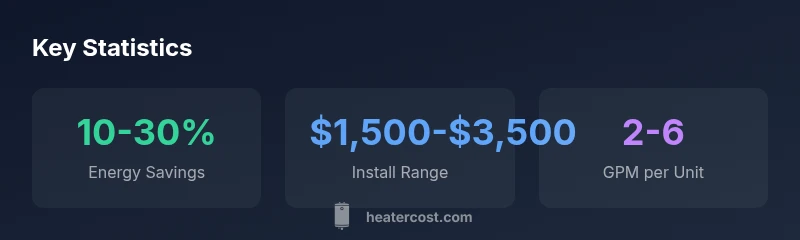
Sizing a rinnai system starts with assessing peak simultaneous demand. A typical home might need 4-6 GPM to cover a shower and a faucet at the same time, but larger households or busy kitchens can push that higher. Start with fixture counts, then estimate temperature rise needs based on climate and incoming water temperature. A useful approach is to model worst-case scenarios: morning showers, laundry cycles, and dishwasher use concurrently. Remember that longer pipe runs increase heat loss, so consider the distance from the heater to distant fixtures. When in doubt, a qualified installer can perform a load calculation and recommend a model or multi-unit arrangement that avoids over- or under-sizing. For rinnai fans, modular configurations can be staged to add capacity as needs grow.
Fuel types, efficiency, and cost considerations
Rinnai offers both gas-fired and propane options, with electric variants available in some markets. Gas-fired units generally provide higher steady-state performance and faster recovery, especially in cooler inlet conditions, while electric models are favored in areas with limited gas infrastructure. Efficiency is expressed as an energy factor (EF) or similar metric and varies by model and venting configuration. According to Heater Cost analysis, gas-fired rinnai units often deliver favorable operating costs over time due to lower energy consumption, yet installation costs and venting requirements can influence total ROI. When comparing options, weigh fuel availability, venting, climate, and maintenance needs alongside upfront purchase price.
Installation considerations and venting requirements
Gas-fired rinnai hot water systems require proper venting to safely discharge combustion byproducts. Vent length, type, and number of joints influence performance and draft. Most installations should be performed by a licensed professional who can ensure correct gas supply sizing, vent routing, and seismic or weatherproofing considerations. Electric models avoid venting but may require a dedicated circuit and a sufficiently sized electrical panel. In all cases, professional installation helps preserve warranty coverage and reduces the risk of leaks or improper venting that can affect indoor air quality and efficiency.
Maintenance, warranty, and life expectancy
Regular maintenance extends the life of rinnai hot water systems. This usually includes annual or semi-annual inspections, descaling in areas with hard water, and periodic flushing of the heat exchanger. Warranty terms typically vary by model and market, with longer coverage often tied to professional installation and routine service. While exact lifespans differ by usage and water quality, many systems are designed for 12-15 years or more with proper care. Keeping a maintenance log helps homeowners plan replacements before a failure occurs and minimizes downtime.
Cost range, financing, and ROI considerations
Upfront costs for rinnai hot water systems depend on model, configuration, and installation complexity. Typical ranges for a single unit installation are broad, reflecting site-specific factors such as venting, gas line upgrades, and electrical work. In general, buyers can expect a substantial portion of total costs to be in the installation phase rather than the appliance itself. Ongoing operating costs depend on fuel type, usage, and local energy prices. Financing options and utility rebates can improve payback, particularly for households with high concurrent usage. When evaluating value, compare total cost of ownership over 5-10 years rather than just the sticker price.
Real-world scenarios: sizing for different homes
Scenario A: A small condo with 1 bathroom and a compact kitchen would typically do well with a single, properly sized rinnai tankless unit. Scenario B: A mid-size family home with 2-3 bathrooms and a busy morning routine may benefit from a multi-unit rinnai setup or a larger single unit with a higher flow rate. Scenario C: A cold-climate residence where incoming water is very cool may require units rated for higher temperature rise. In all cases, an experienced installer can validate flow targets and confirm venting, gas supply, and electrical requirements. Scenario-based testing helps prevent under-delivery during peak demand and reduces cold-water shocks.
Choosing models: what to compare across rinnai options
When choosing between rinnai models, compare flow rate ranges, maximum temperature rise, and venting compatibility. Evaluate installation footprint, water quality considerations (hardness, mineral content), and warranty terms. If you live in a rental or multi-unit building, modular configurations offer flexibility to scale capacity as occupancy changes. Pay attention to efficiency ratings and service access, as a model with easier maintenance will typically deliver lower lifecycle costs. Finally, consult your local pros for code compliance and to confirm which fuel type is most cost-effective in your area.
Sizing checklist and next steps
Start with a load calculation that considers simultaneous usage and climate-driven temperature rise. Map your fixtures, distances, and typical usage patterns. Gather local energy prices for gas and electricity to estimate operating costs. Contact a licensed installer who can verify venting requirements, gas line integrity, and electrical support. Request a written proposal showing model recommendations, estimated installation scope, and warranty terms. Use these steps to create a clear path from evaluation to installation and monitor performance after commissioning.