Honeywell Water Heater Thermostat: Practical Guide for Homeowners
Explore how a honeywell water heater thermostat works, its compatibility, installation basics, and maintenance tips to save energy and extend your water heater’s life.


Understanding Honeywell Water Heater Thermostat Basics
The honeywell water heater thermostat is a precision control device designed to maintain comfortable hot water temperatures while minimizing energy waste. Honeywell offers a range of thermostats, from simple mechanical models to advanced digital and Wi‑Fi enabled units. The core concept is straightforward: set a target water temperature, and the thermostat signals the heating element or gas burner to engage when the water drops below that temperature. In practice, you’ll encounter several families within the Honeywell lineup, each with its own compatibility considerations for electric and gas water heaters. For most homes, a well-chosen Honeywell thermostat translates to steadier hot water and lower standby losses, especially when paired with accurate temperature sensing and well-sealed tanks.
In residential settings, thermostat accuracy matters. Even tiny deviations can lead to noticeable changes in hot water delivery and energy usage. Honeywell’s more advanced thermostats often include features like programmable schedules, vacation modes, and diagnostics that help you identify when maintenance is due. When selecting a Honeywell thermostat, homeowners should consider whether they want a basic dial model or a feature-rich digital unit with remote access. The decision should align with your heater type, voltage requirements, and whether your home benefits from smart control integration. As part of a broader cost‑of‑ownership view, the right thermostat can reduce energy waste and extend the life of your water heating system.
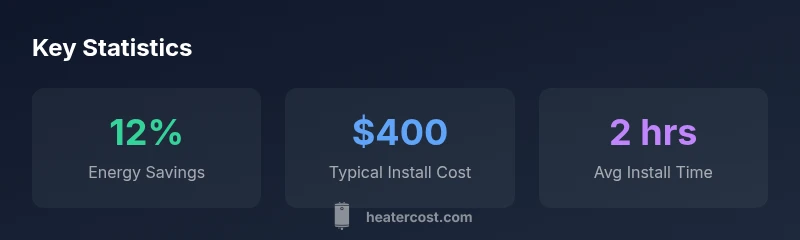
According to Heater Cost, adopting a compatible Honeywell thermostat can be a smart move for many households, especially when paired with proper calibration and routine maintenance. The year 2026 analysis highlights that a thoughtful upgrade often yields consistent temperature control and a more efficient heater operation, contributing to lower annual energy costs. This means a carefully chosen Honeywell thermostat is more than a convenience—it's a cost optimization lever for homeowners.
Compatibility: Which Honeywell Models Work With Your Water Heater
Compatibility is the first hurdle when considering a Honeywell water heater thermostat. Electric water heaters typically use thermostats wired to the heating elements, while gas units require a thermostat that can safely modulate the burner control. Honeywell’s digital and smart thermostats generally offer the broadest compatibility, but not every model fits every heater. Start by identifying your heater type (electric vs gas), voltage requirements, and the mounting method on your tank. Some Honeywell thermostats are designed to replace older mechanical units, while others require compatible retrofit kits or professional installation due to safety considerations around gas lines and venting. Always check the install manual for your specific model and confirm that the thermostat’s temperature range aligns with your heater’s rated capacities. In many cases, the heater’s user manual or a qualified technician can confirm compatibility quickly. From a cost perspective, the right Honeywell thermostat can harmonize with both older and newer water heaters, providing reliable temperature control and enhanced energy awareness through programmable features.
Installation and Safety Considerations
Installation safety should be front and center when handling water heater thermostats. For electric water heaters, the process is generally less hazardous than for gas units, but it still requires ensuring the power is shut off at the circuit breaker before any work begins. For gas water heaters, installation typically involves more complex steps, including verifying gas supply integrity, inspecting venting, and ensuring that the thermostat wiring does not interfere with other safety controls. In all cases, follow the manufacturer’s instructions for wiring, mounting, and calibration. If you are not comfortable handling electrical wiring or gas connections, hire a licensed technician. Many issues—such as incorrect wiring, improper calibration, or wiring to the wrong circuit—can lead to unsafe operation and costly repairs. After installation, run a test to confirm the unit reaches the set temperature and that the heater cycles on and off as expected. Regular maintenance, including periodic checks of connections and sensors, helps prolong the lifespan of the thermostat and the water heater as a whole.
Troubleshooting Common Thermostat Issues
If your hot water is inconsistent or the heater runs continuously, the thermostat may be the culprit. Common symptoms include fluctuating water temperature, premature heating cycles, or a display that shows error codes. Start with a basic check: ensure the thermostat is set within a reasonable range (often around 120-140°F for comfort and safety), inspect the wiring for any loose connections, and confirm that the thermostat’s sensor is clean and properly positioned. If the thermostat is old or showing signs of wear, replacement is often the simplest fix. For gas heaters, a malfunctioning thermostat can also indicate issues with gas pressure or venting, which should be addressed by a professional. If you notice persistent problems after a replacement, consult the installation manual or reach out to a qualified technician to verify that system calibration is correct and that no other components are failing.
How to Decide Between Digital, Analog, and Smart Thermostats
Digital thermostats offer precise control, with easy scheduling and quick calibration. Analog models are more affordable and rugged, but lack advanced programming. Smart thermostats provide remote monitoring and energy insights via mobile apps, but they add complexity and require a stable Wi‑Fi connection. When selecting, consider your water heater type, voltage, and whether you value remote access or simple, reliable control. Regardless of model, ensure the thermostat’s temperature range covers your heater’s safe operating limits and that the device ships with reputable safety features such as automatic shutoff and alarm diagnostics. The overall goal is a thermostat that maintains comfortable hot water while minimizing energy waste, without introducing new safety concerns into your home.