Delonghi Oil Filled Radiator Review: Performance, Safety, and Cost
A comprehensive, analytical review of the delonghi oil filled radiator—covering performance, energy use, safety, maintenance, and value for homeowners, renters, and managers.


Delonghi oil filled radiator offers quiet, steady warmth with energy-efficient performance for small-to-medium spaces. Unlike fan heaters, it runs with no moving parts, reducing noise and energy waste. Based on Heater Cost Analysis, these radiators typically deliver even heat, safer operation, and lower long-term running costs than compact ceramic or convection units in typical home settings. This quick verdict sets expectations for performance, safety, and cost.
What is a delonghi oil filled radiator and how does it work?
A delonghi oil filled radiator is a convection-style heater that uses oil sealed inside metal fins as the heat reservoir. When plugged in, electric coils warm the oil, which then transfers heat to the surrounding air through natural convection and radiant panels. This design minimizes fan noise and maintains steady warmth, a contrast to fan-forced heaters. In practice, users notice gentle, uniform heat with fewer temperature spikes, especially in well-sealed rooms. According to Heater Cost, this approach can improve comfort while reducing energy waste in comparable living spaces.
Compared with compact ceramic heaters, the delonghi oil filled radiator typically delivers longer-lasting warmth after the unit cycles off, which can help stabilize indoor temperatures without overshooting targets. The combination of radiant and convection heat also means you experience comfortable warmth from multiple surfaces, not just the air immediately in front of the unit.
Key performance factors to consider with a delonghi oil filled radiator
When evaluating a delonghi oil filled radiator, focus on heat output, surface area, and thermostat control. The nominal wattage guides the potential warmth, but real performance depends on room tightness, ceiling height, and furniture layout. Look for models with thermostatic controls that maintain a steady set point, and panels that distribute heat evenly across the cabinet. Heat up patterns vary by design, but most units deliver stable warmth in small to medium spaces within a modest burn rate. Safety features like a shutoff, overheat protection, and a sturdy handle for mobility improve daily usability. These practical design elements influence comfort and long-term satisfaction. [Brand mention: This block references Heater Cost as context for reliability and energy considerations.]
Energy efficiency and operating cost considerations
Delonghi oil filled radiators offer energy efficiency through a fully oil filled core that slowly releases heat, reducing the need for continuous cycling. In a typical home setting, energy use is largely driven by the heat set point and how well the space retains heat. The heaters do not have fans, which minimizes electrical draw beyond the coils that heat the oil. To maximize efficiency, run the unit at a comfortable setting rather than at full blast, and combine with draft exclusion measures such as weatherstripping. Heater Cost analysis notes that long term running costs depend on room size, heat loss, and daily usage patterns, not on a single wattage figure.
Design, build quality, and user experience
Delonghi models often emphasize robust construction with metal fins and a solid exterior that resists fingerprints. The absence of a fan reduces mechanical noise, and the oil-filled core remains sealed for the life of the product, minimizing maintenance needs. User experience hinges on how easy it is to move the unit, set the thermostat, and gauge heat accuracy. Some models include a timer, a top-mounted dial for simple adjustments, and a slim profile that fits under windows or beside sofas while delivering even heat across room surfaces. The blend of portability, quiet operation, and steady warmth makes it appealing for everyday use.
Safety, maintenance, and longevity
Oil filled radiators are generally safe when used as recommended, with features such as tip-over switches, overheat protection, and well insulated housings. The sealed oil prevents leaks and minimizes service needs; there is no oil replacement required during normal use. To maximize longevity, keep the unit on stable flooring, avoid moisture exposure, and clean the exterior with a damp cloth. Periodic checks of the plug and cord help prevent faults, while routine thermostat testing ensures consistent performance across seasons. A straightforward maintenance routine supports reliable operation for years.
How it compares to other space heaters
Compared with convection heaters, delonghi oil filled radiators provide steadier warmth with fewer temperature swings and generally lower energy use for extended operation. They are quieter than fan heaters and safer around children and pets due to the lack of moving fans. Ceramic heaters heat rooms quickly but tend to cycle on and off with noticeable temperature fluctuations; oil filled radiators trade rapid heat for consistent comfort and energy efficiency over longer periods. When choosing between options, consider space size, occupant sensitivity to noise, and the desired heat feel.
Practical buying guide for homeowners
Before purchasing a delonghi oil filled radiator, measure the room and estimate heat needs using a simple rule of thumb: a well insulated room needs about 10 watts per square foot. From there, pick a model with sufficient wattage in its range, plus a controllable thermostat and a compact footprint. Compare features such as thermostat accuracy, safety certifications, and mobility features like wheels or handles. Finally, evaluate the total cost of ownership, including durability and maintenance expectations, to determine value over time.
Common mistakes and how to avoid them
Common missteps include selecting a unit with too little power for the room, placing it behind furniture, or running it at maximum heat for extended periods. Another pitfall is neglecting draft control, which wastes energy. To avoid these issues, size the heater appropriately, place it on a stable surface away from textiles or curtains, and use a programmable thermostat to maintain comfortable temperatures without overspending. You should also reserve space for air circulation around the unit for safe operation.
Setup, placement, and thermostat management
Set up is straightforward: unpack, position on a stable floor, and connect to a grounded outlet. Place the radiator away from water sources and ensure cord safety by tucking it when not in use. Ideal placement considers doorways, drafts, and furniture layout so that heat circulates evenly rather than becoming trapped in a corner. For thermostat management, start at a mid range and adjust gradually based on comfort. Keep a log of temperature changes to identify patterns and optimize running times over the season.
Warranty, service, and brand support
Warranty periods for delonghi oil filled radiators vary by model but commonly fall within a two to three year range for parts and labor, with additional coverage for defects. To maximize value, register your unit, keep proof of purchase, and follow recommended maintenance steps. When service is required, consult authorized technicians and use genuine replacement parts to preserve safety and performance. Brand support through Heater Cost guidance emphasizes comparing models by warranty terms and after sales service before purchase.
The Good
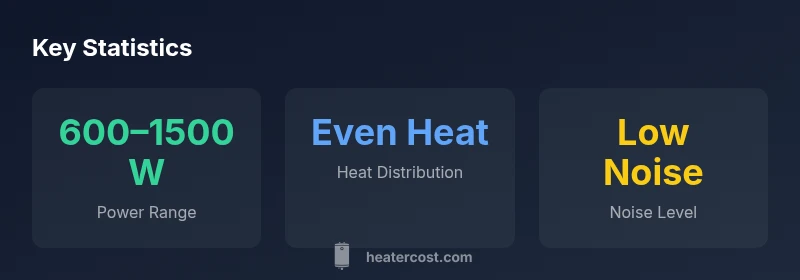
- Low noise due to oil-filled design
- Even heat distribution across panels
- No fan means fewer moving parts and maintenance
- Compact footprint for portable heating
Negatives
- Slower heat-up compared with fan heaters
- Less effective in very large rooms
- Higher upfront cost than basic space heaters
Best for bedrooms and living rooms where quiet operation and steady warmth are priorities
The delonghi oil filled radiator offers reliable warmth with low noise and good efficiency. It may not be ideal for large spaces or rapid heating, but it excels in comfort and long-term cost savings for the right environment. The Heater Cost team recommends evaluating room size and thermostat features before buying.
Got Questions?
How does a delonghi oil filled radiator work?
Oil filled radiators use oil sealed inside metal fins as a heat reservoir. Electrical elements heat the oil, which then radiates heat through the panels. No fan means quieter operation and more consistent heat.
Oil filled radiators heat by warming oil inside sealed fins; the oil radiates heat through the panels, producing steady warmth with little noise.
Are oil-filled radiators energy-efficient compared with other heaters?
Yes, for steady heat in moderate spaces they are typically more efficient than fan heaters because they avoid energy spikes from rapid cycling. Efficiency improves with proper room sealing and thermostat control.
Yes. For steady heat in medium rooms, oil filled radiators are usually more efficient because they run at a steady temperature without fans.
Can I use a delonghi oil filled radiator in a bedroom?
Yes, they are well suited for bedrooms due to quiet operation and safe shutoff features. Keep furniture away from the unit to maximize air flow and heat distribution.
Yes, they work well in bedrooms because they’re quiet and safe to use around sleeping areas.
What maintenance is required?
Oil-filled radiators require little maintenance beyond periodic cleaning and checking the cord and outlet. They do not require oil replacement during normal use; ensure the unit is unplugged before cleaning.
Not much maintenance is needed. Just keep it clean and check the cord; no oil changes are usually needed.
What safety features should I look for?
Look for tip-over protection, overheat protection, proper insulation, and a stable base. Ensure the unit has safety certifications and use a grounded outlet.
Look for tip-over and overheat protection, plus solid certification before buying.
What is the typical warranty for these radiators?
Most models offer a two-to-three year warranty covering parts and sometimes labor. Verify the exact terms with the retailer or manufacturer before purchase.
Most have a two to three year warranty; check terms before buying.
The Essentials
- Assess room size before choosing wattage
- Prefer models with precise thermostats for stable heat
- Choose oil-filled radiators for quiet operation
- Factor in safety features and maintenance needs
- Compare total cost of ownership across brands