Truma Water Heaters: Costs, Installation, and Maintenance
Comprehensive guide to Truma water heaters for caravans and RVs, covering costs, installation, safety, and maintenance. Learn from Heater Cost's analysis to compare models and make informed decisions.


Truma water heaters are compact, on-demand hot-water systems designed for caravans and motorhomes. They offer gas and electric options with integrated safety and venting features for tight spaces. For RVs, a truma water heater can deliver hot water on demand without bulky plumbing. This Heater Cost quick guide highlights installation considerations, efficiency, and maintenance tips to help homeowners and property managers select a model that fits their space and budget.
What is a truma water heater?
A truma water heater is a compact, on-demand hot-water system designed for caravans, campers, and motorhomes. It combines a heat source (gas, electric, or dual-fuel) with a compact heat exchanger to deliver hot water as soon as a tap is opened, reducing bulk and weight compared with traditional residential heaters. A key advantage is space efficiency and suitability for mobile living. For readers of Heater Cost, a truma water heater is often evaluated on reliability, ease of installation, energy efficiency, and after-sales support. This section explains the core concepts, how units are sized for limited spaces, and how they differ from standard home water heaters. In the caravan and RV market, venting, safety certifications, and service networks also influence long-term value. The Heater Cost team emphasizes that the right choice aligns with travel patterns, fuel availability, and maintenance capacity.
How it works: gas and electric options
Truma water heaters are designed to work with different energy sources, which is what makes them versatile for mobile living. Some models operate on propane (gas) to heat water on demand, while others rely on electric power, or a dual-fuel configuration that switches between sources based on availability and efficiency. The on-demand design means water is heated as it flows, reducing standby heat loss and improving overall efficiency. Venting and exhaust safety are built into many models to minimize risk in enclosed spaces like RVs and campers. When selecting a unit, homeowners should consider gas availability, electrical capacity, and climate conditions, since these factors influence performance and reliability. A well-chosen system will maintain water temperature across a range of flow rates while fitting within the vehicle’s storage constraints.
Sizing, venting, and installation considerations
Sizing is critical for a reliable truma water heater experience. Units must match expected hot-water demand with the available electrical supply and gas capacity so you don’t run out of hot water during showers or dishwashing. Venting requirements depend on the model and energy source; improper venting can create safety hazards and reduce efficiency. Installation commonly involves securing the unit in a dedicated compartment, routing water lines, and ensuring proper clearance around vents and propane lines. For mobile installations, weight distribution and access for servicing are also important. Working with a qualified installer ensures correct venting, gas connections, and electrical wiring while meeting safety standards set by regulators.
Design and space considerations for caravans
Caravan and motorhome interiors demand compact, lightweight equipment. Truma water heaters are often designed to fit narrow gaps and curved ceilings, with panel access and simple wiring harnesses to streamline installation. When planning a retrofit or new purchase, measure available cabinet space, roof height, and door clearance to ensure the unit fits without impeding storage or access to other systems. In addition to physical fit, consider noise levels, heat dissipation, and the potential for backdrafts in windy environments. A model with efficient insulation and low standby losses will perform better in off-grid or limited-power conditions.
Cost considerations and ownership: upfront cost and operating costs
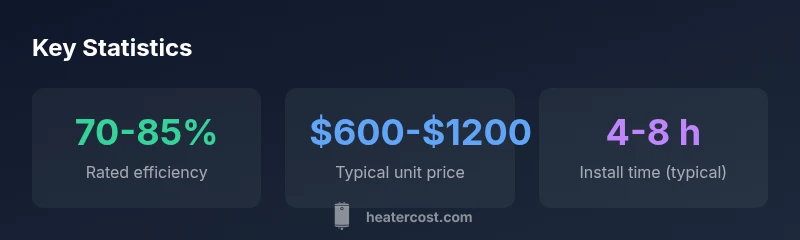
Prices for a truma water heater unit vary by model, fuel configuration, and regional availability. Typical purchase ranges for a mobile-application unit are broad and do not include installation. Installation costs hinge on venting, mounting complexity, and labor rates. Potential owners should budget for periodic maintenance, including periodic descaling and vent inspections. While exact figures depend on the chosen model and local labor, planning for a total cost of ownership over several years—covering purchase, installation, fuel, and maintenance—helps avoid surprises and supports a stronger return on investment.
Maintenance and longevity
Regular maintenance is essential to maximize the lifespan of a truma water heater. Schedule annual or biannual inspections to check venting, seals, and electrical connections. Periodic descaling and flushing of water lines prevent mineral buildup that can reduce efficiency. Inspecting seals and gaskets for wear minimizes the risk of leaks, while testing safety features ensures reliable operation in mobile environments. With proper maintenance, many units deliver dependable hot water for years, even under variable travel schedules and fluctuating fuel availability.
Choosing the right model and installation path
To select the right model, compare heat source options, daily hot-water demand, vehicle electrical capacity, and ventilation requirements. Consider warranty duration, service networks, and availability of replacement parts in your region. If you travel frequently or live in areas with limited fuel access, a dual-fuel model may offer flexibility and resilience. Always engage a qualified installer who understands mobile applications and safety standards for propane systems and electrical wiring. By aligning technical specs with travel patterns and maintenance capacity, you’ll maximize comfort and minimize downtime.
Authority sources and safety standards
For broader context on safe water heating and building energy guidelines, refer to trusted authorities such as energy.gov, epa.gov, and industry associations. These sources provide general guidance about safe venting, installation practices, and energy efficiency considerations for hot-water systems used in mobile settings. While specific model recommendations are outside their scope, these references offer baseline safety and efficiency principles that inform recommended best practices.
Illustrative comparison of Truma water heater configurations
| Model Type | Power Source | Typical Efficiency | Notes |
|---|---|---|---|
| Model A (compact caravan) | gas + electric | High | Compact footprint for tight spaces |
| Model B (vented) | gas | Medium | Requires proper venting and clearance |
Got Questions?
What is a Truma water heater and where is it used?
A Truma water heater is a compact, on-demand hot-water system designed for caravans and motorhomes. It heats water as it flows, using gas, electric, or dual-fuel configurations. It is popular in mobile living due to its space efficiency and safety features.
A Truma water heater is a compact, on-demand hot-water system for caravans and RVs. It heats water on demand using gas or electricity and is designed for small spaces.
Is a Truma water heater safe for RV use?
Yes. Truma units are designed with safety features such as vented exhaust, flame arrestors, and automatic shutoffs. Proper installation by a qualified technician is essential to ensure safe operation within an RV environment.
Yes. They include safety features, and you should have installation done by a pro.
Do these heaters require professional installation?
Most installations should be performed by a licensed technician who has experience with mobile gas/electric appliances. Proper venting, gas connections, and electrical supply are critical for safe operation and warranty validity.
Most installs should be done by a licensed technician to ensure safety and warranty.
What maintenance should I plan for?
Schedule regular inspections, descaling as needed, and test safety shutoffs. Flush the system to remove mineral buildup, and verify venting for obstruction or leaks.
Regular checks, descaling, and venting inspections keep it running smoothly.
How do I choose between gas, electric, or dual-fuel models?
Consider fuel availability, electrical capacity, climate, and travel patterns. Dual-fuel models offer flexibility but add complexity and cost; pick the option that best aligns with your typical usage and service network.
Think about what fuels you have where you travel and how you use hot water.
“Reliable hot water in compact spaces comes down to proper sizing, venting, and regular maintenance. A well-chosen Truma water heater can dramatically improve comfort on the road.”
The Essentials
- Assess space and fuel needs before choosing a model
- Factor venting and installation requirements into cost
- Compare gas, electric, and dual-fuel options for efficiency
- Plan for maintenance to maximize longevity
- Consult authorized technicians for installation and safety