Solar Hot Water Heater Systems: Costs, Types, and Savings
A comprehensive guide to solar hot water heater systems, covering how they work, system types, costs, incentives, installation considerations, and maintenance—empowering homeowners to compare options and maximize savings for 2026.


Solar hot water heater systems use solar collectors to heat water for household use, reducing reliance on electric or gas water heaters. They store heated water in a tank or circulate it through a storage system for on-demand use. In many climates, these systems deliver meaningful energy savings and may qualify for tax credits or rebates.
What solar hot water heater systems are
According to Heater Cost, solar hot water heater systems use sun-exposed collectors to heat a fluid (water or glycol) that transfers heat to your home's storage tank. This reduces the load on conventional electric or gas water heaters and can lower monthly utility bills, especially in sunny regions. The basic idea is simple: capture solar energy during daylight, convert it to heat, and store that heat for peak demand. Systems vary in complexity, from basic passive designs to fully integrated active setups with controls and pumps. In most homes, a well-designed solar thermal system can cover a substantial portion of a household's hot water needs, though the percentage varies by climate, household size, and hot water usage patterns. The Heater Cost team notes that a properly sized system often pairs with an auxiliary heater for cloudy days or high-demand periods, ensuring reliability year-round.
How solar collectors and storage work
Solar collectors are the first stage of heat capture. Flat-plate and evacuated-tube collectors absorb sunlight and transfer heat to a circulating fluid. In a closed-loop system, glycol or water acts as the heat-transfer medium, moving heat to a storage tank via a solar-powered pump or a gravity loop in some passive designs. The stored hot water sits in an insulated tank, resonating with the home’s normal draw schedule. Controlling electronics or thermal sensors optimize when the pump runs, reducing unnecessary energy use. The system’s performance depends on climate, collector quality, piping layout, and insulation. Regular checks help maintain efficiency, and a professionally designed system typically provides dependable hot water well beyond the typical winter season.
System types and configurations
Solar hot water systems come in several flavors. Active systems use pumps and controllers to circulate heat-transfer fluid, while passive designs rely on gravity or natural convection. Direct systems heat water directly in the collector loop, while indirect systems heat a heat-transfer fluid that then warms the potable water. Collectors generally fall into flat-plate or evacuated-tube categories, each with trade-offs in cost and performance. For most homes, a professional sizing assessment is essential to balance upfront cost and long-term savings, especially in climates with variable sun exposure.
Sizing, climate considerations, and expected savings
Sizing a solar hot water system starts from your daily hot water use, peak sun hours, and the climate. In long sunny seasons, a larger collector area can cover more than half of a household’s hot water needs, while in cloudier zones a smaller system paired with a backup heater may be appropriate. The Heater Cost team emphasizes that performance improves when storage capacity matches daily draw. This alignment reduces short cycling and loss of heat. Real-world savings depend on energy prices, system efficiency, and how diligently you maintain the tank and plumbing.
Installation considerations, permits, incentives, and rebates
Roof structure and orientation are critical: a south-facing roof with minimal shading typically yields the best results in the northern hemisphere. Structural reinforcement may be needed to handle the added weight of a storage tank and collectors. Local building codes and utility interconnection rules often require permits and professional installation. Incentives and rebates exist in many regions, but programs change yearly. Check with local energy offices or utility programs, and consult a qualified installer to maximize financial benefits and ensure code compliance.
Maintenance, longevity, and common issues
Most solar hot water systems require routine maintenance to preserve performance and longevity. Expect annual inspections of collectors, pumps, and valves, plus periodic flushing to prevent mineral buildup. In glycol-based systems, monitor fluid levels and replace the glycol every 5–10 years to prevent corrosion. Temperature and pressure relief valves should be tested, and insulation kept intact to minimize losses. Common issues include leaks, freeze damage in cold climates, and reduced performance after prolonged cloudy periods.
Financial considerations: incentives, financing, and payback basics
Beyond the upfront equipment cost, consider financing options, installation labor, and ongoing maintenance expenses. Incentives, when available, can substantially shorten the payback period. Calculate annual energy savings by comparing your current hot water energy use with the projected solar contribution, then factor in local electricity rates and climate. A professional installer can provide a detailed cash-flow analysis, including fuel-price projections, maintenance costs, and potential tax credits or rebates available in your area.
Comparison of solar hot water system types
| System Type | Efficiency Range | Installation Cost Range | Typical Payback | Notes |
|---|---|---|---|---|
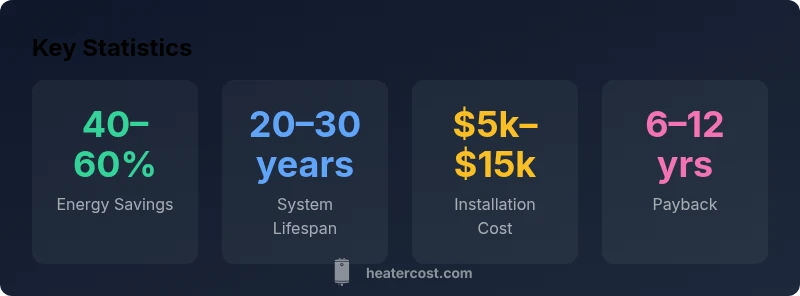
| Flat-plate collector | 40–60% | $4,000–$9,000 | 6–12 years | Affordable option |
| Evacuated-tube collector | 50–70% | $6,000–$12,000 | 6–12 years | Higher efficiency in cold climates |
| Active solar storage | 40–60% | $7,000–$15,000 | 8–14 years | Requires controller and pump |
| Passive solar storage | 30–50% | $3,000–$8,000 | 10–16 years | No pump, lower cost |
Got Questions?
Are solar hot water heater systems worth the investment?
For many homes, yes, especially with sunny climates and incentives. Savings depend on hot water use, electricity prices, and system efficiency.
Yes, in sunny areas they can pay back over several years, especially when incentives are available.
What factors influence the total installed cost?
Roof type, collector choice, storage options, installation complexity, and permits drive costs. Getting multiple quotes helps benchmark price.
Costs vary a lot; roof, permits, and equipment choice matter most.
Can these systems work in colder or cloudy climates?
They still function in cooler weather but with lower efficiency. A backup heater or hybrid system is common for low-sun months.
They work, but you may need a backup heater in cloudy periods.
What maintenance do solar hot water systems need?
Annual inspections of collectors and pumps, fluid checks for glycol systems, and periodic flushing to reduce mineral buildup.
Annual checks keep performance high and prevent leaks.
Are there tax credits or incentives?
Incentives vary by location and year. Check federal, state, and utility programs for rebates or credits.
Look for local incentives to improve payback.
What is the typical payback period for solar hot water systems?
Typical payback ranges from about 6 to 12 years, influenced by climate, usage, and incentives.
Most homes see payback within a decade.
“Solar hot water systems deliver tangible energy savings when sized correctly and maintained regularly; the payoff improves with sunny climates and proper integration.”
The Essentials
- Plan around climate and hot-water needs.
- Costs vary with system type and roof structure.
- Incentives shorten the payback period.
- Maintenance is generally manageable and annual.
- Size the system for peak daily demand.