Hybrid Heat Pump Water Heaters: Costs, Savings, and Guide
Explore how a hybrid heat pump water heater works, its energy savings, installation needs, and maintenance tips to help homeowners and property managers choose the best option.


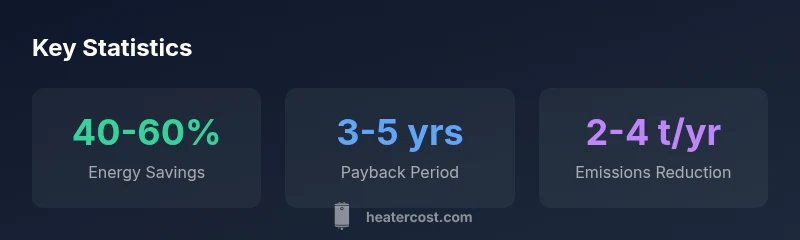
Hybrid heat pump water heaters typically save 40-60% on water-heating energy use vs standard electric water heaters, depending on climate and hot-water usage. They work by extracting heat from the surrounding air and transferring it to the water, with electric resistance backup for peak demand. In 2026, this technology offers strong efficiency gains for most homes.
What is a hybrid heat pump water heater?
A hybrid heat pump water heater (HPWH) uses a refrigerant cycle to pull heat from the surrounding air and transfer it into the water heater tank. The system behaves like a traditional electric storage tank but with a heat-pump core that delivers most of the energy for heating. An electric resistance element remains for peak demand or very cold conditions. For homeowners, this means lower electricity use for hot water, especially in warmer indoor environments. When installed correctly, a hybrid HPWH can outperform conventional electric tanks in energy efficiency and overall operating costs, while still providing reliable hot water on demand. The Heater Cost team emphasizes that the best results come from proper sizing and placement to maximize ambient heat capture.
How this technology works
Hybrid HPWHs rely on a built-in heat pump to extract energy from the room air, concentrating it into the water in the tank. The unit automatically shifts between heat-pump mode and electric resistance as needed. Key concepts include coefficient of performance (COP) and energy factor (EF); higher COP/EF values indicate greater efficiency. These systems thrive in spaces with adequate warm air and ventilation, such as a utility closet or garage, but can underperform in very cold or poorly ventilated areas. Proper clearance around the condenser coil, a dedicated 240V circuit, and good ducting are essential. Routine checks of the condensate drain and air intake help maintain efficiency over time.
Benefits for homeowners
The main benefit of a hybrid HPWH is energy savings, often accompanied by quieter operation and a reduced environmental footprint. For households with moderate hot-water demand, they can lower monthly energy bills and shorten payback periods compared with standard electric tanks. They pair well with rooftop solar or other renewables because the heat pump uses ambient heat rather than consuming as much electricity as a resistance heater. The daily user experience—faster recovery during high-demand mornings, and stable hot-water supply—deserves consideration when planning a retrofit.
Costs and payback considerations
Upfront costs for a hybrid HPWH are higher than standard electric tanks, due to the advanced heat-pump technology. Installation complexity and space requirements also influence price. Across regions, the installed price can vary based on vertical space, insulation, and the existing electrical wiring. While exact numbers depend on location and model, homeowners should anticipate a multi-year payback driven by energy savings and peak-demand reductions. Energy incentives or utility rebates can shorten the payback window if available in your area.
Sizing, placement, and installation readiness
Sizing a hybrid HPWH involves estimating your household hot-water usage and peak demand. Units typically range in capacity from 40 to 80 gallons, with larger tanks suited to bigger households. Place the unit away from drafts and heat sources, with adequate clearance for airflow around the condenser. Ensure a 240V dedicated circuit and proper ventilation in the space. A professional installer can verify venting, piping, and pressure/temperature relief valve placement, and can help you understand available local rebates or incentives.
Performance across climates
HPWHs are most effective in moderate-to-warm indoor climates where ambient heat is plentiful. In cooler environments, performance depends on the unit’s insulation and the space’s temperature. Some models include enhanced defrost logic and performance adjustments to mitigate cold-weather performance losses. Homeowners in very cold regions may want to compare efficiencies across models and consider supplemental heating or alternative water-heating strategies for winter months.
Maintenance and longevity
Maintenance for hybrid HPWHs is relatively light but not optional. Regularly inspect the air intake and exhaust, clean the condenser coil as needed, and verify the condensate drain is clear. Periodic professional checkups (every 1–2 years) help ensure refrigerant integrity, efficient heat exchange, and safe operation. Typical lifespans range beyond a standard electric tank when correctly installed and maintained, contributing to lower lifetime ownership costs.
Hybrid vs other water heating options
Compared with standard electric tanks, hybrid HPWHs offer higher efficiency and potentially lower operating costs but require more space and ventilation. Gas water heaters may heat water faster but come with fuel costs and emissions. Tankless options can provide endless hot water with potentially higher upfront costs, while hybrids offer a balanced mix of efficiency, storage, and simplicity. Your choice should reflect climate, available space, electricity rates, and hot-water usage patterns.
Environmental impact and future trends
Adopting a hybrid HPWH reduces electricity consumption and associated emissions, particularly in homes with substantial hot-water use. As the grid becomes greener and refrigerants improve, the environmental benefits of HPWHs are likely to grow. Ongoing innovations focus on better insulation, more efficient heat pumps, and smarter controls that optimize when the unit uses heat-pump mode versus electric resistance.
Comparison of common water-heating systems
| System Type | Energy Efficiency | Capacity (gal) | Notes |
|---|---|---|---|
| Hybrid Heat Pump Water Heater | 2.0–3.0 EF | 40–80 | Uses ambient heat; better in warm spaces |
| Standard Electric Water Heater | EF ~0.9–1.0 | 40–50 | Lower upfront cost; higher operating cost |
| Gas Water Heater | EF ~0.6–0.95 | 40–80 | Faster heating; requires gas line |
Got Questions?
What exactly is a hybrid heat pump water heater?
A hybrid heat pump water heater uses a built-in heat pump to extract heat from the surrounding air and transfer it to water in the tank. An electric resistance element remains for peak demand or very cold conditions. This design delivers higher efficiency than traditional electric tanks while maintaining reliable hot water.
A hybrid HPWH uses ambient heat to heat water, with electric back-up for peak use, delivering higher efficiency than standard electric tanks.
How much energy can I save with a hybrid heat pump water heater?
In general, expect energy savings of about 40-60% compared with standard electric water heaters, depending on climate and hot-water usage. Real-world results depend on space temperature, humidity, and how you use hot water.
Most homes see substantial energy savings, but results vary by climate and usage.
Can they be used in cold climates?
HPWHs work best in moderate-to-warm spaces. In colder areas, performance can drop unless the unit is well-insulated and installed in a warm, ventilated area. Modern models include features to improve cold-weather operation.
They work better in warmer spaces; in cold climates, ensure good insulation and proper placement.
What installation considerations should I plan for?
You’ll need a 240V dedicated circuit, adequate space for airflow around the condenser, and proper ventilation. A professional installer should verify venting, piping, and safety valves, and help you evaluate rebates.
A pro can confirm electrical, venting, and space needs and help with rebates.
What is the typical payback period?
Payback varies with usage and electricity costs, but many homes see a multi-year payback. Use energy bills and local incentives to estimate the timeline for your situation.
Payback depends on usage and local energy costs, usually several years.
How do I maintain a hybrid HPWH?
Regularly inspect the air intake/exhaust, clean the condenser coil as needed, and ensure the condensate drain is clear. Schedule professional checkups every 1–2 years to maintain refrigerant integrity and efficiency.
Keep the air intake clean and have a pro check it every couple of years.
“"Hybrid heat pump water heaters offer a compelling blend of efficiency and reliability for everyday homes, especially when climate and space permit."”
The Essentials
- Understand how HPWHs use ambient heat to save energy
- Choose placement and size for best performance
- Factor climate and space into installation decisions
- Expect higher upfront costs with longer payback
- Consider incentives and home integration for best value