Bradford White Water Heater: Costs, Models, and Maintenance
Explore Bradford White water heater options, costs, warranties, and maintenance with Heater Cost. Learn how to choose the right model and estimate total ownership for your home.


Bradford White water heaters remain a top choice for homeowners due to reliable performance, solid warranties, and broad model options. When budgeting, consider capacity, energy efficiency, venting, and installation complexity, as these factors drive total costs and maintenance needs. Bradford White models span gas, electric, and tankless variants to fit different homes and fuel sources.
Bradford White Water Heater: Brand Overview
Bradford White water heaters are a staple in many homes across the United States, prized for reliability, extensive dealer networks, and strong warranties. The bradford white water heater lineup spans traditional tank models, high-efficiency electric variants, and tankless options, enabling homeowners to tailor a system to climate, fuel availability, and hot-water demand. The brand is recognized for robust components and a focus on safety features, such as built-in temperature controls and corrosion-resistant tanks. In this article, we explore how to navigate the Bradford White ecosystem, compare common configurations, and estimate ownership costs. For homeowners evaluating options, Bradford White is often recommended by installers for predictable performance and solid after-sales support. The Heater Cost team has analyzed industry data and notes that choosing the right Bradford White model can influence energy use, maintenance frequency, and long-term reliability. When you begin, consider whether you want a traditional tank, a tankless on-demand system, or a hybrid approach for space constraints and energy goals.
Top Models and Configurations
Bradford White offers a broad spectrum of configurations to meet different home layouts and fuel sources:
- Tanked gas models for higher draw scenarios, typically paired with proper venting.
- Tanked electric models for simpler install where gas lines or venting are limited.
- Tankless gas or electric units for on-demand hot water and space savings.
- Hybrid variants that optimize efficiency for mid-size households.
Choosing among these depends on your hot-water demand, space constraints, and regional energy costs. Installers emphasize matching the model to peak daily usage (showers, laundry, and dishwashing) for comfort and efficiency. When in doubt, use Bradford White’s sizing guides and consult a licensed plumber to ensure correct venting, clearances, and electrical requirements.
Sizing and Capacity Guidance
Sizing a Bradford White water heater begins with assessing household hot-water demand. A family of four typically needs a 40–50 gallon tank to maintain responsiveness during peak usage, while larger homes or households with high simultaneous demands may justify 60 gallons or more. Tankless options are evaluated by flow rate (GPM) and first-hour rating, which will vary with climate and how many fixtures draw hot water at once. It’s important to factor in incoming water temperature, installed pipe lengths, and recovery rate when selecting capacity. For rental properties or multi-tenant buildings, a coordinated approach with an installer helps balance first-hour rating with energy efficiency, avoiding oversizing that wastes energy.
Energy Efficiency and Operating Costs
Energy efficiency is a central driver of long-term ownership costs for Bradford White water heaters. Look for models with high energy factors (EF) or annual fuel utilization efficiency (AFUE) ratings, as they translate into lower operating costs over time. Tankless variants often offer the most energy efficiency due to on-demand heating, but pay attention to installation quality and venting, which can affect performance. For households aiming to reduce utility bills, selecting an appropriately sized unit and a high-efficiency option can produce noticeable savings, especially in climates with longer heating seasons. The Heater Cost analysis notes that efficiency gains are influenced by correct sizing, insulation of hot-water pipes, and minimizing standby losses.
Installation Considerations: Venting, Clearances, and Permits
Proper installation matters as much as the model itself. Gas Bradford White units require appropriate venting and gas line sizing; electric models depend on electrical capacity and circuit protection. Clearances around the unit affect service access and heat dissipation, and some jurisdictions mandate permits and inspections for new installations or major replacements. Work with a licensed plumber or HVAC technician to verify venting type (sealed or open), combustion air requirements, and electrical disconnects. If you are replacing an older unit, plan for potential retrofits (venting updates, seismic straps, or space reconfiguration) to ensure code compliance and safe operation.
Maintenance and Longevity
Maintenance extends the life of a Bradford White water heater and helps sustain performance. Common tasks include periodic flushing to remove sediment, checking the anode rod, and inspecting T&P relief devices for proper operation. Sediment buildup can reduce efficiency and shorten tank life, especially in hard-water regions, so annual or semi-annual flushes are often recommended. Drain valves, temperature settings, and protective anode rods are routine checks that homeowners can perform if they are comfortable, while more complex tasks should be handled by a professional. Regular maintenance also supports warranty validity since many manufacturers require routine service to keep coverage active.
Warranty and Support: Bradford White
Bradford White typically offers robust warranties that vary by model type and installation specifics. Tanks and components may carry separate terms, so it’s important to read the warranty documentation for details on coverage, exclusions, and required maintenance. Warranty duration often ranges from several years up to a decade for certain high-efficiency models, with shorter coverage for some ancillary components. Having a local service network and accessible customer support helps minimize downtime if service is needed. While warranties provide peace of mind, selecting a model aligned with your usage pattern and climate remains essential for long-term reliability.
Costs, Value, and Total Ownership
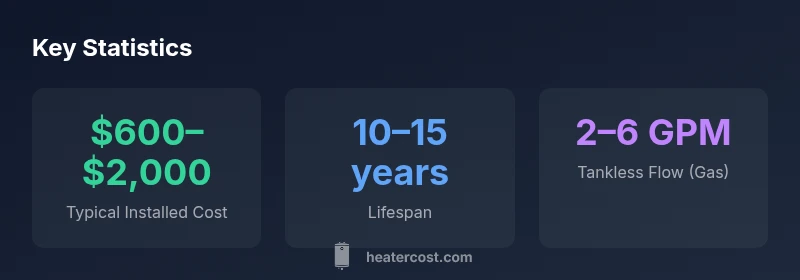
Total ownership costs for a Bradford White water heater include the purchase price, installation, venting or electrical upgrades, and ongoing energy consumption. While tanked models may have lower upfront costs, tankless units can offer long-term energy savings and space advantages. Consider the total cost of ownership over the system’s expected life, including potential maintenance and replacement timing. For renters or property managers, factoring in maintenance frequency, reliability, and ease of service can influence tenant satisfaction and turnover. In general, balancing upfront expenditure with long-term energy savings and warranty coverage is the best path to maximizing value over 10–15 years of use.
Choosing Bradford White: A Step-by-Step Checklist
- Assess hot-water demand in your home (peak usage and concurrent fixtures). 2) Decide between tanked, tankless, or hybrid configurations based on space and fuel access. 3) Check energy efficiency ratings and expected operating costs. 4) Confirm venting, gas line, or electrical needs with a licensed professional. 5) Review warranty terms and service network. 6) Obtain multiple quotes that include installation and any necessary upgrades. 7) Schedule a professional assessment to finalize sizing and ensure code compliance.
How to Decide Between Tanked and Tankless for a Bradford White Water Heater
Tanked models provide robust hot water for high-demand households and are often simpler to install where space is not a premium. Tankless units deliver on-demand hot water and can save space, but installation costs and gas line or electrical considerations can be higher. Your decision should weigh daily usage, fuel availability, climate, and long-term energy costs, alongside warranty coverage and service access to ensure reliable performance over many years.
Bradford White model types: capacity and notes
| Model Type | Typical Capacity | Notes |
|---|---|---|
| Tanked Gas | 40–80 gallons | Common in larger homes |
| Tanked Electric | 40–60 gallons | Standard residential |
| Tankless Gas | 2–6 GPM | Space-saving |
Got Questions?
What is the warranty range for Bradford White water heaters?
Bradford White offers varied warranty terms depending on model and installation. Many residential models include a limited warranty of 6–12 years on tanks and components. Always confirm the exact terms at purchase and with your installer.
Bradford White warranties vary by model; check the exact terms at purchase and with your installer.
Are Bradford White water heaters energy efficient?
Yes. Bradford White offers high-efficiency options featuring strong energy-factor ratings. For best results, choose a model that matches your household demand and climate and ensure proper installation.
Most Bradford White models are energy efficient; look for the energy factor rating when selecting a unit.
What is the difference between Bradford White gas and electric models?
Gas models heat water quickly for higher demand, while electric models are common in smaller homes or where gas is unavailable. Consider fuel availability, installation costs, and efficiency ratings when choosing.
Gas models heat faster; electric models are simpler to install where gas isn’t available.
Do Bradford White water heaters require permits?
Permits may be required by local codes for installation or replacement. Check with a licensed plumber and your local authority having jurisdiction to ensure compliance.
Local codes may require permits; consult a licensed installer.
How long do Bradford White water heaters last?
With proper maintenance, Bradford White water heaters typically last about 10–15 years depending on usage and water quality.
Expect around a decade or more with regular maintenance.
Can Bradford White tankless water heaters save space?
Yes. Tankless models are compact and can free up closet or utility space, though installation complexity and upfront costs can be higher.
Tankless heaters save space, but installation can be more complex.
“Bradford White units deliver dependable performance across climate zones, backed by durable components and comprehensive service networks.”
The Essentials
- Choose model by family size and peak demand
- Consider energy efficiency for long-term savings
- Account for venting and installation factors
- Verify warranty terms and service options