50 Gallon Water Heater: Costs, Sizing, and Maintenance
Learn the costs, sizing guidance, and maintenance tips for a 50 gallon water heater. Compare electric vs gas options, installation fees, and energy efficiency to plan a smart upgrade.


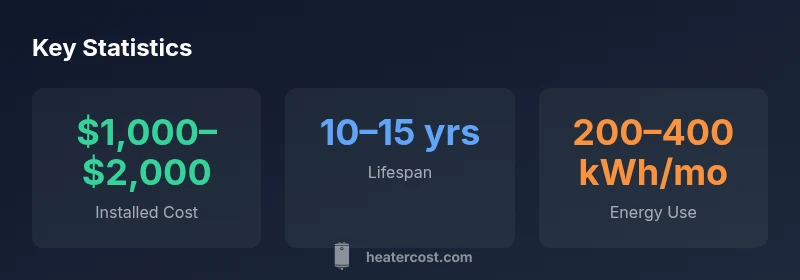
A typical 50 gallon water heater costs between $1,000 and $2,000 installed, depending on fuel type and regional labor. Electric models are usually cheaper upfront, while gas or heat pump options can push the total higher. Installation commonly takes a few hours to a full day, and routine maintenance can extend the unit’s lifespan by several years.
Understanding the 50 gallon designation and typical usage in homes
A 50 gallon water heater is a popular middle-ground choice for many households because it balances upfront cost, size, and recovery rate. The 50-gallon label refers to the nominal tank capacity and does not directly translate to the total amount of hot water available at any moment. Hot water drawn from the top of the tank is replaced by cold water that must be heated, so actual usable hot water depends on your incoming water temperature, draw pattern, and thermostat settings. For a family of 3–4 with regular showers, laundry, and dishwashing, a 50 gallon unit is often sufficient, especially if you stagger high-demand activities. If your household experiences frequent simultaneous draws (two showers and a dishwasher at once), you may want to consider a larger tank or a dual-turnover system. When assessing fit, also consider pipe insulation, location (basement vs utility closet), and whether you have the space for future expansion. In sum, sizing hinges on daily hot water needs, climate, and peak-hour usage patterns.
Key factors to evaluate include:
- Number of bathrooms and typical occupant count
- Shower duration and dishwasher efficiency
- Incoming water temperature and climate
- Recovery rate and thermostat settings
- Space availability and venting requirements for gas units
Cost breakdown: purchase, installation, and ongoing energy
Costs for a 50 gallon water heater break down into three main areas: the appliance itself, installation labor, and ongoing energy use. Purchase price varies by energy source (electric vs. gas) and efficiency tier. Electric models are often at the lower end of the spectrum, while gas models may incur higher installation costs due to venting and gas line work. In many markets, total installed cost typically ranges from $1,000 to $2,000, but region and contractor rates can shift this wide band. Installation fees can cover removal of the old unit, mounting, venting (if gas), piping, and new seismic strapping. Some homes require a new expansion tank or a new dielectric nipple, adding a modest additional cost. Ongoing energy costs depend on usage, climate, and heater efficiency. Higher-efficiency units reduce long-term expenses, while settings that run hot water at high temperatures increase energy consumption. When budgeting, obtain multiple quotes that itemize appliance cost, labor, permit fees, and any ancillary parts to avoid surprises.
What affects total cost:
- Fuel type (electric vs gas) and delivery method
- Labor market and local permit requirements
- Replacement of related components (expansion tank, venting, piping)
- Home configuration and accessibility
- Warranty and service plans
Efficiency and energy costs: estimate monthly bill
Efficiency drives long-term savings more than sticker price. A 50 gallon water heater’s energy performance is often described by its energy factor (EF) or the federally adopted Uniform Energy Factor (UEF). Higher EF/UEF ratings indicate less energy wasted during hot-water recovery. Real-world energy use depends on how much hot water your household consumes daily, the setpoint temperature, and whether you have attributes like advanced recovery technology or heat pump assistance. To estimate monthly costs, start with your utility rate per kilowatt-hour (for electric models) or per therm (for gas models). Multiply by an assumed daily hot-water use (in gallons) and adjust for the heater’s efficiency. In practice, households in milder climates with efficient appliances may see monthly energy costs on the lower end of typical ranges, while colder regions or high-demand households trend higher. Consider setting the thermostat to the minimum comfortable temperature to reduce standby losses.
Practical tips:
- Compare EF/UEF ratings across models
- Choose a unit with a recovery rate that matches peak demand
- Consider a heat pump water heater if available in your market for superior efficiency
Sizing and replacement scenarios: when a 50 gallon model makes sense
Choosing a 50 gallon model should be driven by peak-hour demand and long-term plans. For households with 3–4 residents and moderate hot-water use, a 50 gallon tank often provides adequate capacity with acceptable recovery times. If a home has more occupants or consistently uses multiple hot-water fixtures simultaneously, you may experience time gaps between demands and prefer a larger tank (e.g., 75 gallons) or a dual-tuel system to minimize interruption. In new construction or renovations, align the water heater size with the expected daily hot-water load and consider future changes in occupancy or upgrades to more water-efficient fixtures. Climate matters too: hotter incoming water requires less energy to heat to your target setpoint but can affect recovery and draw rates. When replacing an older unit, evaluate whether the existing space, venting (for gas), and plumbing will accommodate a larger tank or a more efficient model. A properly sized unit reduces energy waste and improves user satisfaction.
Guidance for common scenarios:
- Small households (1–2 people): 40–50 gallon often works
- Moderate households (3–4 people): 50 gallon is typically appropriate
- Large households (5+ people): consider 75 gallons or alternative solutions
Installation considerations and permits: what to expect
Installing a 50 gallon water heater involves more than selecting a model. For electric units, you may need a dedicated circuit, correct gauge wiring, and a proper electrical panel capacity. For gas units, venting, gas lines, and compliance with local gas codes become central. Some jurisdictions require permits for water heater replacement, which adds time and a small fee to the project. The installer should inspect venting, seismic straps, expansion tanks, and the T&P relief valve to ensure safety and code compliance. If you upgrade from a standard electric to a heat pump model or from gas to electric, the changes to electrical demand or venting may require additional permits or inspections. Be prepared for possible upgrade of neighboring components like piping, water lines, or pressure relief valves. A well-planned installation minimizes future service calls and ensures the unit operates as designed.
Before starting, ask your installer for a written scope of work, permit estimates, and a detailed breakdown of parts and labor. Obtain multiple quotes and verify that the contractor is credentialed for your locality.
Maintenance tips to maximize lifespan
Routine maintenance is essential for extending the life of a 50 gallon water heater. Start with an annual or semi-annual flush to remove sediment buildup, especially in regions with hard water. Sediment accumulation reduces efficiency and can shorten the unit’s life. Inspect and replace the anode rod every 3–5 years, as a corroded rod accelerates tank corrosion. Test the T&P valve and replace if necessary to prevent overpressure and potential leaks. Check the venting system (gas units) for blockages or leaks, and ensure the thermostat is set to a safe temperature (typically 120°F/49°C) to minimize energy use and scald risk. If you notice frequent leaks, unusual noises, or a sudden drop in hot-water supply, call a professional to diagnose the issue rather than attempting repairs yourself. A proactive maintenance plan can keep the system efficient and reliable for many years.
Gas vs electric and tank vs tankless: choosing the right path
The choice between electric and gas for a 50 gallon tank is often driven by fuel availability, installation complexity, and long-term energy costs. Electric models generally offer simpler installation and lower upfront costs, while gas models can incur higher installation costs due to venting and gas-line requirements but may deliver lower operating costs in some markets. Tankless options exist but are typically installed as smaller or separate units rather than a single 50 gallon tank and may not be a direct 50 gallon replacement. Tankless systems provide on-demand hot water, which can reduce standby energy losses but may have higher upfront costs and different installation requirements.
In most homes, a traditional 50 gallon electric or gas tank is easier to size for peak demand and replacement. When comparing options, prioritize energy efficiency, the expected hot-water load, availability of service in your area, and whether your home’s wiring or gas lines need upgrading. Your decision should balance initial cost, long-term energy bills, and the practicality of installation.
Quick-start planning: step-by-step checklist
- Assess household hot-water demand: track peak usage, showers, and appliance loads.
- Compare electric vs gas options and determine available fuel choices.
- Determine space, venting, and vent clearance requirements.
- Obtain multiple quotes with itemized costs (appliance, labor, permits, ancillary parts).
- Consider efficiency upgrades (heat pumps, higher EF/UEF models) if available in your area.
- Plan for maintenance: annual flushing, periodic anode rod checks, and T&P valve testing.
- Confirm warranty terms and service availability in your region.
- Schedule installation with a licensed professional and ensure permits are secured if required.
Cost, lifespan, and usage outlook for common 50 gallon water heaters
| Aspect | Typical value | Notes |
|---|---|---|
| Installed cost (50 gal, standard model) | $1,000–$2,000 | Varies by fuel type and region |
| Lifespan | 10–15 years | With good maintenance |
| Energy use (monthly) | 200–400 kWh | Depends on usage and efficiency |
| Sizing suitability (household) | 3–4 people typical | Adjust for peak-hour demand |
Got Questions?
What is the typical lifespan of a 50 gallon water heater?
Most tanks last 10–15 years with proper maintenance, but water quality and sediment can shorten that timeline. Regular flushing and anode rod checks help maximize life.
Most 50 gallon tanks last ten to fifteen years with regular maintenance, but water quality and sediment affect longevity.
Is a 50 gallon water heater large enough for my family?
For households of 3–4 people, a 50 gallon unit is typically suitable. Larger families or high simultaneous usage may require a larger tank or multiple heaters.
For a family of four, a 50 gallon is usually fine; bigger families may need more.
Electric or gas: which is better for a 50 gallon heater?
Electric models are often cheaper to install and simpler to service, while gas models can be cheaper to operate in some regions but require venting and gas line work.
Electric is usually easier and cheaper to install; gas can save on running costs but needs venting.
Do I need a permit to replace a 50 gallon water heater?
In many areas, a permit is required for replacement to ensure safety and code compliance. Your installer can help with permit applications and inspections.
Permits are common—check with a pro before you replace.
How often should I flush a 50 gallon water heater?
Flush annually if you have normal water quality; more frequent flushing may be needed in hard-water areas to prevent sediment buildup.
Flush once a year, or more often if you have hard water.
What are common signs I should replace my heater?
Leaks, frequent repairs, rusty water, or reduced hot water supply indicate it’s time to evaluate a replacement.
Leaks, frequent repairs, or reduced hot water mean replacement is worth considering.
“Choosing a 50 gallon water heater requires balancing upfront cost, energy efficiency, and your hot-water demand. Review peak usage, regional utility rates, and installation requirements to maximize long-term value.”
The Essentials
- Size thoughtfully: match tank capacity to peak hot-water demand
- Expect installed costs to vary by fuel and region
- Choose high-efficiency models to reduce long-term energy bills
- Plan for permits and proper venting when required
- Maintain regularly to maximize lifespan and reliability