How to Light a Stove When Power Is Out
Learn a safe, step-by-step approach to lighting a stove during a power outage. Understand stove types, safety checks, lighting methods, and practical cooking alternatives for outages.


During a power outage, you can light a gas stove if it uses a standing pilot or has an unpowered option for manual lighting. If your stove relies solely on electric ignition, you cannot light it without power. Before proceeding, verify gas smells, ventilate the area, and have a plan for safe alternative cooking if lighting isn’t possible. According to Heater Cost, preparation reduces risk during outages.
Understanding the Power-Outage Cooking Challenge
Outages affect kitchens in predictable ways: electric stoves lose ignition, ovens halt, and timers rely on battery life or backup systems. The core challenge is safety: leaking gas, incomplete combustion, and carbon monoxide buildup can occur if gas is lit without proper ventilation or if you misuse fuel sources. According to Heater Cost, homeowners who plan ahead reduce risk and preserve essential cooking capabilities when the lights go out. This section explains why some stoves can still be used and when you should pivot to safe alternatives. By recognizing your stove type and the limits of your home’s gas fittings, you can decide whether lighting is even possible and what steps you should take to minimize danger during outages.
Identify Your Stove Type and Safety Baselines
The first step in a power outage is understanding your stove’s ignition system. A standing-pilot gas stove has a small flame that stays lit at all times and can usually be lit with a long lighter or matches even when power is out. An electric-ignition gas stove depends on an electrical spark to light the burner, so it often cannot be lit without power.
Safety checks are non-negotiable: smell for gas around connections, ensure the room is well-ventilated, and confirm your CO detector is functioning. If you detect gas odors or your CO detector alarms, evacuate and contact emergency services. This guidance aligns with general home safety practices and is reinforced by the Heater Cost Team as part of responsible outage planning.
Lighting a Gas Stove with Standing Pilot: Safe, Manual Methods
If your stove uses a standing pilot, you can light a burner with a long lighter or matches. Start by turning the control knob to the lowest flame setting and slowly bring the flame near the pilot or burner. Keep your body and face away from where the flame appears, and light using smooth, deliberate motions. Once lit, adjust the knob to achieve a steady flame. This method requires calm handling and clear visibility, aided by a flashlight if the room is dim.
Remember to ventilate the space: crack a window or door to allow fresh air exchange, especially if you’ll be using the stove for extended cooking. If lighting fails after several attempts, stop and switch to a safe alternative method to avoid gas buildup. The Heater Cost Team advises patience and deliberate actions to minimize risk during outages.
Lighting a Stove with Electric Ignition: What to Do When Power Is Out
Stoves that rely on electronic ignition typically cannot be lit without electricity. Do not attempt to hot-wire or bypass safety features. Instead, rely on safe alternatives such as a propane camp stove used outside, a charcoal grill outdoors (never indoors), or a microwave if available for limited cooking tasks. If you have a backup generator for essential appliances, ensure it is installed and used in a well-ventilated area and never indoors. Heater Cost emphasizes choosing alternatives before you’re hungry and stressed, which helps prevent risky improvisations.
If you suspect your ignition system requires service, note the outage as a sign to contact a qualified technician after power is restored. This keeps you safe and reduces the chance of a gas leak or fire when power returns.
Ventilation, Gas Safety, and CO Monitoring During Outages
Gas appliances can emit CO when not properly vented. Use a CO detector in the kitchen area and ensure there is adequate airflow. Do not run a stove in an unventilated space for extended periods. If you smell gas, evacuate immediately and call gas emergency services. Regularly inspect connections and hoses when power is restored to ensure there are no leaks. Proper safety practices protect all household members during outages and after.
Heater Cost recommends pre-outage checks: test CO detectors, ensure batteries are fresh, and keep a flashlight, matches or a long lighter, and a fire extinguisher accessible.
Practical Cooking Alternatives During a Power Outage
If lighting a stove isn’t safe or possible, turn to alternatives:
- Outdoor propane camp stove for limited cooking (use outside and away from structures)
- Charcoal grill outside for longer cooking sessions (keep ventilation in mind and never use indoors)
- Cold meals and ready-to-eat options that don’t require heating
- A slow cooker or instant pot can be useful if you have a backup power source or battery
Planning ahead with safe options ensures you can still prepare meals and keep heat exposure to a minimum during outages. The Heater Cost Team highlights the importance of having an outage meal plan to reduce stress during stressful events.
Aftercare: Returning to Normal Use and Preventive Steps
When power returns, inspect the stove and surrounding areas for any signs of gas leakage or heat damage. If you used an alternative cooking method, ensure the outdoor area has adequate ventilation before using indoor appliances again. Re-test CO detectors and ensure that kitchen safety equipment is ready for future outages. Create a simple outage checklist to refer to next time, and consider installing a battery backup for key appliances if outages are frequent. The Heater Cost Team suggests periodic safety drills to keep your household prepared.
Tools & Materials
- Long lighter(Butane with a long neck; keeps hands away from flame)
- Extra-long matches(Use only if a long lighter is not available)
- Flashlight or headlamp(For hands-free lighting in dim kitchens)
- CO detector (battery-powered)(Test before outages and keep it near the kitchen)
- Fire-safe gloves(Helpful when handling hot pots)
- Timer or smartphone timer(Track cooking durations to avoid overcooking)
Steps
Estimated time: 30-60 minutes
- 1
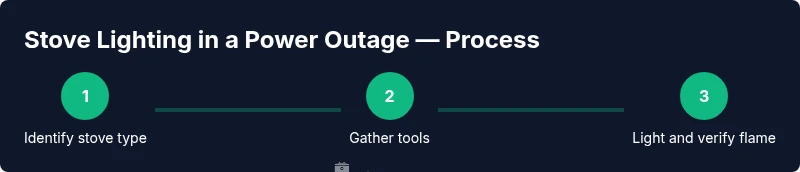
Identify stove type
Determine whether your stove uses a standing pilot or electric ignition. This informs whether manual lighting is possible during a power outage. If unsure, do not attempt risky lighting and switch to alternatives.
Tip: Check the user manual or the oven’s control panel to confirm ignition type. - 2
Gather lighting tools and safety gear
Collect a long lighter, extra-long matches (as a backup), a flashlight, a working CO detector, and a timer. Keep these within reach so you can light burners quickly and safely if needed.
Tip: Test the CO detector before the outage; replace batteries if needed. - 3
Check for gas odor and ventilate
Smell around gas lines before lighting. If you detect gas, do not light anything and evacuate immediately. Open a window or door to improve ventilation if you’re proceeding with lighting.
Tip: Move any people and pets away from the kitchen while you assess the area. - 4
Light standing-pilot burner
If your stove has a standing pilot, turn the burner knob to the light position and bring the flame to the burner with the long lighter or matches. Keep your body and face away from the potential flare and monitor the flame until it’s established.
Tip: Light from the front, not from the side, to avoid contact with hot surfaces. - 5
Use alternatives if no standing pilot
If your stove lacks a standing pilot or lighting is unsafe, do not attempt to light it. Switch to an outdoor stove or other safe cooking methods as described in the guide.
Tip: Have a backup plan ready before you’re hungry—outages can create pressure to improvise. - 6
Verify flame and adjust knob
Ensure a steady, controlled flame. If the flame is irregular or weak, turn the knob to a different setting and attempt to adjust again. Do not leave burners unattended while lit.
Tip: Use the flashlight to inspect flame height in low light. - 7
Cook safely and monitor
Place pots on the lit burner and monitor cooking progress with a timer. Avoid overheating pans and keep combustibles away from flames. Do not leave the kitchen while cooking during an outage.
Tip: Keep a safe distance from the flame and use oven mitts as needed. - 8
Turn off gas and ventilate after use
When you’re done, turn the knob fully to the off position and close any windows you opened recently. If you used an outdoor alternative, extinguish and store equipment properly and safely.
Tip: Test the area for lingering gas odor after turning off the flame.
Got Questions?
Can I light a gas stove if the power is out?
Yes, if the stove has a standing pilot or a manual lighting option. If the stove relies solely on electric ignition, you cannot light it without power and should use safe alternatives. Always check for gas odors and ventilate the area.
Yes, but only if your stove has a standing pilot or manual lighting option. If it’s electric-ignition only, you cannot light it without power.
What should I do if I smell gas during an outage?
Leave the home immediately and call gas emergency services from outside. Do not turn on lights, switches, or appliances that could create sparks. Once you’re in a safe location, wait for professionals to assess the gas lines.
If you smell gas, evacuate and call emergency services from outside. Do not use anything that could spark.
Are there safe alternatives to a stove during an outage?
Yes. Use an outdoor propane camp stove, a grill outside (never indoors), or ready-to-eat meals. If you have a backup power source, a slow cooker or electric kettle may help with simple tasks.
Yes—outdoor stoves or grills, and ready-to-eat meals can keep you fed safely during outages.
Can I test my CO detector during an outage?
Yes. Regularly test CO detectors to ensure they work, and replace batteries as needed before an outage. A functioning detector provides an essential safety net when using gas appliances in reduced-power conditions.
Test your CO detector and replace batteries ahead of outages so it’s ready when you need it.
What should I do after power returns?
Check the stove and surrounding area for any signs of gas leakage or damage. Re-test CO detectors and ensure safety equipment is ready for any future outages. Consider a planned outage drill to improve readiness.
After power returns, inspect for leaks and test safety devices; plan ahead for next outages.
Is it safe to light a stove with standing pilot if I can’t see clearly?
If you cannot clearly see what you are lighting, wait for better lighting or switch to a safe alternative. Lighting in low visibility increases the risk of burns or gas misfueling.
Avoid lighting when visibility is poor; use a safer alternative instead.
Watch Video
The Essentials
- Identify stove type before lighting to avoid unsafe attempts
- Use proper lighting tools and ventilation to stay safe
- Know when to switch to alternative cooking options
- Test CO detectors and keep safety gear accessible
- Have a ready outage plan for future events