Heater Tape Costs and Installation Guide for 2026
Learn how heater tape works, cost ranges, and installation basics. Compare self-regulating vs constant-watt tapes, energy use, and maintenance tips for frost protection.


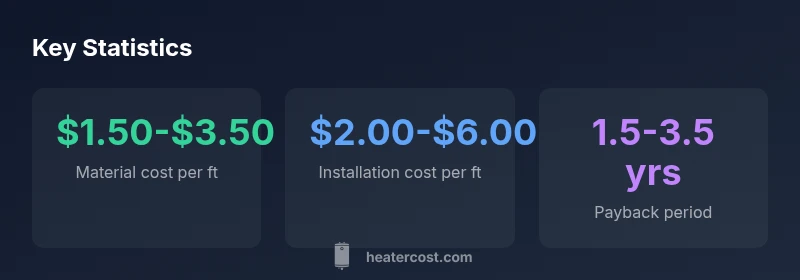
Heater tape is an electric heat-tracing solution designed to keep pipes from freezing and to reduce energy waste in cold climates. Material costs typically range from about $1 to $4 per foot for self-regulating tape, with installation adding roughly $2 to $6 per foot depending on pipe accessibility and labor rates. This 2026 analysis from Heater Cost highlights sizing and safety considerations for homeowners.
What is heater tape and how it works\n\nHeater tape, also known as electric heat tracing tape, is designed to prevent pipes from freezing in cold weather and to help maintain temperatures along exposed ducts or roof edges. Residential users typically encounter two main technologies: self-regulating tape and constant-watt tape. Self-regulating tape contains a polymer that increases resistance as the temperature drops, naturally increasing heat output when it’s cold and reducing heat when warmth levels rise. This behavior reduces energy waste and lowers overheating risk, making it a popular choice for DIY and pro installations alike. Constant-watt tape, by contrast, provides a steady heat along the entire run, which is effective for long, continuous sections but requires careful sizing and thermostat control to avoid overheating. Either option should be paired with a proper power supply, a robust thermostat or controller, and adherence to electrical codes. For the typical homeowner, the decision hinges on climate exposure, pipe accessibility, and comfort with electrical work.
Self-regulating vs constant-watt: which is right for you?\n\nThe core distinction between self-regulating and constant-watt heater tape is how heat output responds to ambient conditions. Self-regulating tape uses a conductive polymer that automatically increases heat as the temperature falls and reduces heat output as warmth levels rise. This makes it safer for around corners, cable joints, and areas where pipes bend or flex. It’s also generally easier to install and more forgiving of improper spacing. Constant-watt tape, on the other hand, delivers a fixed wattage along the entire length. It can deliver uniform heat over long runs, but demands precise sizing and the inclusion of a thermostat, timer, or heat-trace controller to prevent overheating. For long outdoor runs or where ambient fluctuations are extreme, self-regulating options often deliver better energy efficiency and safety.
Installing heater tape: scenarios and best practices\n\nInstallation scenarios vary by pipe type, climate, and accessibility. In crawl spaces or basements, ensure the tape is securely attached to pipe surfaces using manufacturer-approved fasteners or clips, keeping electrical connections clear of moisture. Outdoor installations require weatherproof tape with a protective jacket and an outdoor-rated power supply, plus proper sealing at entry points. Avoid kinking, pinching, or overlapping tape segments, and never attach tape directly to insulation without following the manufacturer’s guidance. A dedicated GFCI-protected circuit is typically required on exterior installations, and any connection to a home’s main electrical panel should be carried out by a qualified electrician. Planning for future maintenance, such as making access points for monitoring sensors, pays off in long-term reliability.
Costs, savings, and return on investment\n\nThe financial side of heater tape includes both material costs and labor. Material costs for common self-regulating tapes generally run in a per-foot range, with longer runs increasing overall cost. Installation costs add to the overall price, driven by pipe accessibility, how much wiring is required, and whether a thermostat or controller is included. While the upfront expense can seem substantial, the payoff comes through reduced risk of frozen pipes, lower emergency repair costs, and less energy waste compared with non-treated installations. In cold regions, the payback period can be reasonable, often measured in months to a few years, depending on climate severity and home efficiency. Always compare long-term energy costs against the initial outlay to determine whether heater tape delivers value for your specific setup.
Accessories and system integration\n\nEffective use of heater tape often involves complementary components. A weatherproof junction box, a thermostat or temperature controller, and a properly rated power supply are essential. If the tape runs outdoors or across roof edges, IP-rated casings and weather sealing become critical. Ensure connector splices are made with compatible, UV-resistant materials and that all wiring meets local electrical codes. In some cases, a dedicated circuit on a GFCI-protected breaker is wise, particularly for damp or exposed locations. Consider pairing the tape with insulation improvements to maximize efficiency, since well-insulated pipes lose less heat and require less tape in the first place.
Safety, codes, and maintenance\n\nSafety is central to heater tape projects. Always follow manufacturer installation instructions and local electrical codes. Do not exceed recommended tape lengths or wattage; heat tracing should be sized for the longest pipe run and still leave room for expansion. Regular inspections help detect cord wear, damaged jackets, or degraded insulation, which could lead to shock hazards or fires. When in doubt, consult a licensed electrician. Routine maintenance includes checking temperature controllers, confirming that weatherproof enclosures remain sealed, and replacing any damaged sections promptly. Keeping a log of inspections can help you track wear and ensure timely replacements.
Common mistakes and troubleshooting tips\n\nCommon errors include mis-sizing heat tape for long runs, skipping the thermostat or controller, and failing to seal outdoor installations from moisture. Never wrap tape around joints or bend it too tightly, as this can cause hot spots or damage. Over-reliance on self-regulating tape without proper verification of ambient conditions can lead to insufficient heating in extremely cold climates. If heat seems uneven or the tape seems warm only in certain spots, inspect the cold leads, ensure the connections are secure, and verify that the thermostat is functioning properly. A quick test is to measure heat output at different pipe sections and compare it with the expected range from the manufacturer.
When to call a professional\n\nIf you have a complex piping layout, outdoor roof-line installations, or limited electrical knowledge, it is prudent to hire a licensed electrician or a qualified HVAC technician. Incorrect wiring, improper grounding, or neglected weatherproofing can create safety hazards and violate local codes. A professional can help with sizing calculations, proper wiring, weatherproofing, and integration with home automation or energy-management systems. Even for experienced DIYers, a professional consult can prevent costly mistakes and deliver long-term reliability.
Comparison of heater tape types and typical uses
| Tape Type | Typical Wattage | Common Uses |
|---|---|---|
| Self-regulating | 3-10 W/ft | Pipes in freezing environments |
| Constant-watt | 15-50 W/ft | Long pipe runs; thermostat control |
| Programmable/Hybrid | Varies | Remote or automated temperature control |
| Roof/Exterior | N/A | Gutters/roof edges outdoor exposure |
Got Questions?
What is heater tape and how does it work?
Heater tape is electrical heat tracing used to prevent pipes from freezing; it can be self-regulating or constant-watt, and it heats when temperatures drop. Proper sizing and installation are essential for safety and efficiency.
Heater tape keeps pipes from freezing by heating them when it's cold, and it works best when properly sized and installed.
What is the typical cost of heater tape per foot?
Material costs typically range around $1.50-$3.50 per foot for tape, with installation adding roughly $2-$6 per foot, depending on complexity.
Costs run from a few dollars per foot for tape to several dollars more for installation, depending on length and access.
Is professional installation required?
Not always; smaller DIY projects are possible if you follow safety guidelines, but electrical work near water or in outdoor settings often requires a licensed electrician.
If unsure, hire a pro; electrical work near water is risky.
Can heater tape be used indoors and outdoors?
Yes, but choose weatherproof, weather-rated tape for outdoor use and ensure proper insulation and weather sealing.
Yes, but outdoor use requires weatherproof tape.
How do I maintain heater tape?
Inspect regularly for wear, avoid crushing, keep thermostats protected, and replace damaged sections promptly.
Check it regularly and replace damaged sections.
“Sizing and proper installation are the two biggest factors in making heater tape cost-effective and safe. Poor sizing can lead to energy waste or safety hazards.”
The Essentials
- Define your climate and pipe exposure
- Choose self-regulating tape for safety and energy efficiency
- Size and install correctly to avoid overheating
- Factor in installation costs and potential payback
- Always follow local codes and weatherproofing for outdoor use