Car Heater Plug-In Guide: Safe 12V Heating Tips for Cars
Learn how to safely use a car heater that plugs into a 12V outlet. This step-by-step guide covers selection, setup, safety, and maintenance to keep you warm without draining your battery.


By the end of this guide, you’ll know how to safely use a car heater that plugs into a 12V outlet, what to buy, and how to minimize battery drain. According to Heater Cost, selecting a device with proper amperage, built-in safety features, and clear usage limits is essential for both comfort and vehicle health.
Understanding the purpose of car heater plug-in
A car heater that plugs in is a compact device designed to add warm air or radiant heat to a vehicle cabin using power from the car’s 12V outlet. Unlike an engine block heater, which warms the engine by heat transfer, plug-in heaters focus on quick cabin comfort. For many drivers, they’re a practical option for chilly mornings, short trips, or when you need targeted warmth without running the heater on high for long periods. According to Heater Cost, the key concerns are safety, power draw, and how quickly the device can make the cabin comfortable. When evaluating whether a plug-in heater is right for your vehicle, consider your typical climate, battery health, and whether you value portability or a dedicated installation. In addition, think about how the device affects interior layouts and passenger space, since some units require airflow clearance or placement away from seating. This upfront understanding helps prevent frustrating mismatches between device capability and vehicle needs.
Types of car heater plug-in options
There are several ways a car heater can plug in, depending on your vehicle and goals. The most common are 12V portable heaters that plug into the cigarette lighter or accessory outlet, and smaller radiant blankets or defroster pads designed for quick, localized warmth. Some drivers opt for engine block heaters that plug into a wall outlet at home, which pre-warms the engine before driving in cold weather. When choosing among these, you’ll consider heat output (BTUs or watts), current draw, and safety features such as automatic shutoffs or overheat protection. The Heater Cost analysis highlights that higher amperage devices may deliver faster warmth but can drain the battery more quickly, so balance heat needs with battery health and duration.
Safety considerations and best practices
Safety is the top priority with any car heater plug-in. Always verify that the device’s current draw matches or is lower than your vehicle’s outlet rating and that it has built-in overheating protection. Use the heater on a flat, non-flammable surface away from loose papers or fabrics. Never leave a heater unattended for extended periods, particularly when sleeping in the vehicle, and disconnect before driving if the device isn’t secured for motion. Ensure cabin vents remain unobstructed so humidity and heat can circulate properly. Regularly inspect the power cord and plug for wear, and avoid using extension cords that aren’t rated for in-vehicle use. These precautions help protect battery health and reduce the risk of electrical issues.
How to choose the right car heater plug-in for your vehicle
Choosing the right plug-in heater involves matching your climate needs with your outlet capacity and vehicle battery health. Start by checking your 12V outlet’s amperage rating in the owner's manual and compare it with the heater’s current draw at full heat. Prefer devices with automatic shutoff, thermal protection, and clear instructions. Consider heat distribution features—some models provide airflow through a small fan, while others rely on radiant heat. If you routinely park in very cold conditions, a heater with a timer or low-speed heat mode can prevent unnecessary battery drain while still delivering comfort.
Installation and usage tips
To get started, place the heater on a stable, non-flammable surface away from passengers. Plug into the outlet firmly and switch on at a moderate heat setting, then gradually increase as the cabin warms. If your device has a timer, set it for short sessions to prevent battery drain. Keep windows and doors closed during operation to maximize warmth, but periodically ventilate to prevent condensation buildup. After each use, unplug and store the device in a cool, dry place. If you notice any strange smells or overheating, switch off immediately and check for damaged cords or loose connections.
Maintenance and troubleshooting
Regular maintenance helps extend the life of a car heater plug-in. Inspect cords, plugs, and outlets for cracks or wear; replace damaged parts promptly. Wipe down the unit with a dry cloth to remove dust, never immerse in water. If the heater fails to power on, verify the outlet is functioning, check fuses, and confirm the device isn’t trapped by dashboard components. If you experience inconsistent heat, examine the heat setting, verify battery health, and test with a different outlet if possible. If problems persist, consult the manufacturer’s guidance or a qualified technician.
Tools & Materials
- 12V portable car heater (cigarette-lighter style or direct 12V plug)(Choose one with automatic shutoff and low current draw; ensure compatibility with your outlet)
- Fuses or a dedicated circuit surge protector(Use if your vehicle’s outlet requires extra protection or if you’re using a power extension)
- Non-flammable mat or heat-resistant surface(Prevent heat damage to seats or mats)
- Owner’s manual or device manual(Confirm outlet rating and recommended usage limits)
- Optional timer or smart outlet (for advanced control)(Helps manage run time and battery impact)
Steps
Estimated time: 15-25 minutes
- 1
Check compatibility and safety
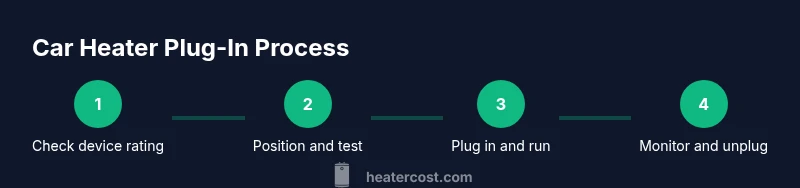
Consult your vehicle’s manual to confirm the 12V outlet’s amperage rating and the heater’s current draw at full heat. Ensure the device has built-in overheat protection and auto shutoff. This pre-check reduces the risk of electrical issues and battery drain.
Tip: If the heater exceeds the outlet rating, do not use it; choose a lower-wattage model instead. - 2
Position heater safely
Place the heater on a stable, non-flammable surface away from passengers and removable fabrics. Clear the area around vents to allow airflow and reduce heat buildup near seat belts or cords.
Tip: Keep cords away from foot traffic and moving pedals to avoid tripping or entanglement. - 3
Plug into outlet and power on
Firmly insert the plug into the 12V outlet and switch the unit on at a low setting. Gradually raise heat once you’ve confirmed there are no loose connections or overheating warnings.
Tip: If your outlet has multiple devices, distribute usage to avoid overloading a single circuit. - 4
Set heat level and duration
Choose a moderate heat setting and use a timer if available to prevent extended battery drain. Short, controlled sessions often deliver comfortable warmth without stressing the electrical system.
Tip: Used in cold mornings, 10–20 minute intervals usually provide noticeable warmth without excessive draw. - 5
Monitor operation and unplug when done
Watch for unusual smells, smoke, or excessive warmth. If any warning signs appear, switch off, disconnect, and inspect the cord and plug before reuse.
Tip: Unplug before leaving the vehicle to avoid drainage or a forgotten device when you return.
Got Questions?
Is it safe to leave a car heater plugged in when the engine is off?
In general, avoid leaving plug-in heaters unattended in a parked vehicle. Prolonged use can drain the battery and increase the risk of overheating. Always unplug when not actively warming the cabin and follow the device’s safety guidelines.
Avoid leaving the heater on when the engine is off. Unplug it when not actively warming to prevent battery drain and overheating.
Can plugging a heater into a cigarette lighter outlet overload the fuse?
Yes, if the device draws more current than the outlet or fuse can safely handle. Check the heater’s current draw and compare it to your vehicle’s fuse rating before use.
Yes, overloading can blow a fuse; verify current draw versus fuse rating before use.
Will a car heater plug-in heat the cabin quickly?
Heat speed depends on the device’s output and the vehicle’s insulation. Most plug-ins provide supplemental warmth and will take several minutes to noticeably raise cabin temperature.
It provides extra warmth, but it takes a few minutes to feel noticeable heat.
Are there safety standards or certifications for car heaters?
Look for devices with clear safety certifications (UL/CE) and manufacturer safety guidance. Certifications help ensure reliable protection features and electrical safety while in a vehicle.
Check for recognized safety certifications and follow the manufacturer's guidelines.
What about power use and battery drain costs?
Because a car heater plugs into the vehicle battery, costs are tied to how long you run it and the battery’s capacity. Short sessions on moderate settings minimize drain while still improving comfort.
Costs relate to how long you run it and your battery capacity; short uses save energy.
Can I use a car heater plug-in in very cold climates?
Yes, but ensure the device is rated for low temperatures and that your battery and electrical system can handle the extra draw. In extreme cold, a pre-warm via home outlets or a dedicated engine heater may be more effective.
It can help, but pick a model rated for cold and mind battery health; pre-warming can be more efficient.
Watch Video
The Essentials
- Choose a heater with safe current draw and auto shutoff
- Place the unit on a non-flammable surface and keep vents clear
- Use timers to manage battery impact and warmth
- Regularly inspect cords and outlets for wear and damage