Can You Use a Heater While Ice Fishing? A Safety Guide
Discover whether you can heat your ice fishing setup, with advice on safety, fuel options, placement, ventilation, and maintenance from Heater Cost. Learn how to minimize carbon monoxide risk and enjoy a warmer day on the ice safely.


Yes, you can use a heater on the ice if you follow strict safety practices: choose outdoor-rated gear, ensure proper ventilation, install a carbon monoxide detector, and never leave the heater unattended. This guide explains safe setup, fuel options, and maintenance to protect everyone on the ice.
Safety foundations for using a heater on ice
On open ice, heat sources bring comfort but also serious risks. The most important precaution is preventing carbon monoxide buildup in any shelter and ensuring adequate ventilation for people who are alongside you. Even in cold conditions, gas and propane heaters emit exhaust that can pool in low-lying spaces. Before you start, assess wind direction, shelter layout, and the size of your party. According to Heater Cost, the safest approach begins with a clear plan: choose a heater designed for outdoor or tented use, verify that fuel lines and canisters are in good condition, and keep a dedicated CO detector within reach of all occupants. Ensure kids and pets stay at a safe distance. In addition, have a plan for rapid shutdown if wind shifts or if anyone develops dizziness or headaches. This foundation section sets the baseline so you can fish more comfortably without compromising safety.
Types of heaters commonly used on ice
There are several heater options suitable for ice fishing, each with its own safety profile and practical limits. Electric radiant heaters are quiet and produce no direct combustion exhaust when plugged into a portable generator or battery bank; however, they require reliable power and can be less effective in strong winds. Propane and butane heaters are portable and deliver quick warmth, but they emit combustion byproducts and require good clearance from shelter walls and fuel sources. Catalytic heaters offer steady heat with lower fuel consumption but still produce exhaust and require proper venting. Regardless of type, always look for safety features such as tip-over switches, low-oxygen shutoff, and heat shields. Heater Cost analysis suggests selecting outdoor-rated equipment and verifying that refueling and storage practices comply with local safety guidelines.
Planning your ice fishing trip with a heater
Tools & Materials
- Outdoor-rated portable heater (propane, butane, or electric)(Choose a unit designed for outdoor or tented use; ensure compatibility with your fuel source.)
- CO detector with battery backup(Place where all occupants can hear or see it; test before deployment.)
- Fire extinguisher (Class B or multi-purpose)(Keep within reach but away from the heater outlet.)
- Heat-resistant base or mat(Provides a stable, non-slip surface and reduces heat transfer to the ice.)
- Fuel canisters or power source(Store and handle fuels per manufacturer instructions; keep separate from living space.)
- Non-slip stabilizers or ice anchors(Optional but helpful for securing equipment on slick ice.)
- Insulated shelter or windbreak (optional)(Can help retain warmth if used with proper ventilation and CO monitoring.)
- Gloves, damps, and a first-aid kit(Protect hands during handling and address minor injuries quickly.)
Steps
Estimated time: 45-60 minutes
- 1
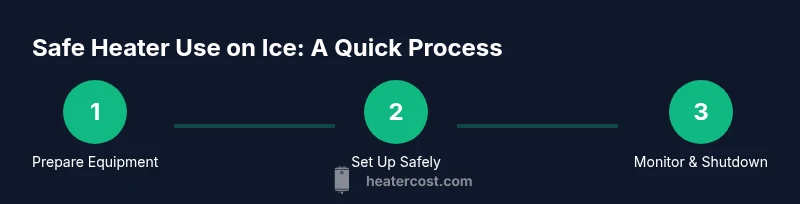
Assess conditions and plan
Before you set up, check ice thickness, weather forecasts, wind direction, and your group size. Create a quick safety plan that includes CO detector placement and a backup heat source in case of fuel issues. This prep work reduces last-minute problems once you’re on the ice.
Tip: Document a quick plan on your phone or in a small note so everyone understands the plan. - 2
Choose heater type and fuel
Select the heater that best fits your environment: electric if you have reliable power, propane for mobility, or catalytic for steady warmth. Confirm fuel safety, storage, and compatibility with your shelter. Avoid mixing fuel types mid-trip to minimize confusion and potential leaks.
Tip: Carry extra CO detector batteries and a spare fuel seal if using propane. - 3
Position heater securely
Place the heater on a stable, non-slip base away from the shelter walls, fuel storage, and the line of drafts. Angle vents away from occupants, and use a windbreak if necessary to prevent heat loss and protect exhaust from blowing back toward you.
Tip: Keep a clear radius around the unit; never place it directly under tarp or tent walls. - 4
Connect power/fuel and test safety devices
Attach the fuel line or power source, light the heater if required, and verify CO detector readings. Allow the unit to run on low for a few minutes, then gradually increase. Ensure the exhaust is unobstructed and that all safety switches function.
Tip: Test safety features before settling into your fishing spot. - 5
Monitor, adjust, and shut down properly
Continuously monitor CO levels, wind shifts, and heater performance. When you’re done, turn off the heater, disconnect fuel or power, store safely, and check for leaks or spills. Return ice gear to storage and log any safety observations for next time.
Tip: Never sleep with a heater running and never store fuel near the shelter.
Got Questions?
Is it safe to use a heater inside an ice fishing shelter?
Using a heater inside a shelter increases the risk of carbon monoxide buildup. If you do use a heater in a shelter, ensure it has proper ventilation, a CO detector, and a clear space around it. Prefer heaters designed for enclosed outdoor use and keep a backup plan ready.
Heaters inside shelters pose CO and fire risks. Ventilate and monitor CO detectors if you must use one.
What features should I look for in a heater for ice fishing?
Look for outdoor-rated heaters with tip-over protection, low-oxygen shutoff, and an easy-to-check fuel connection. A built-in guard and stable legs help prevent tipping on uneven ice. CO monitoring is essential.
Choose heaters with safety shutoffs and good stability; always have a CO detector.
Can I run a heater on battery power?
Electric heaters can run on battery power or a portable generator, but you’ll need reliable power. Plan for cold-weather battery performance and avoid overloading circuits. Always ensure proper ventilation when using electric heaters that rely on enclosed spaces.
Yes, with proper power supply, but ensure power is reliable and ventilation remains adequate.
How long can I safely run a heater on the ice?
There is no universal safe runtime; it depends on heater type, fuel, and ventilation. Monitor CO detectors and wind shifts, and have a plan to shut down if detectors alarm or if occupants feel dizzy or nauseous.
Run times depend on setup—keep monitoring CO and be ready to stop if anyone feels unwell.
What should I do if I smell gas or feel dizzy near the heater?
If you smell gas or feel dizzy, turn off the heater, step outside the shelter to fresh air, and check connections for leaks. Do not ignore symptoms; CO exposure can be deadly. Call for help if symptoms persist.
Leave the area to get fresh air and shut off the heater; if symptoms persist, seek medical help.
What signs indicate ice conditions could be unsafe with a heater present?
Look for cracking sounds, slushy patches, or movement of the ice near your setup. Strong winds can destabilize gear, and excessive heat can warm the ice unevenly. If conditions worsen, move equipment to a safer location.
If the ice looks unstable or you hear cracking, move to a safer area and reassess heating needs.
Watch Video
The Essentials
- Assess ice conditions and safety before heating
- Choose outdoor-rated heaters with proper safety features
- Ventilate and monitor CO detectors during use
- Position heat sources away from shelters and fuel sources
- Shut down and store equipment properly after fishing