Where to Place a Heater in an Aquarium: Practical Guide
Learn the best locations to place a heater in your aquarium for stable temperatures, safe operation, and easier maintenance. This guide covers freshwater, planted, and reef setups with practical placement tips.


To keep aquarium residents healthy and temperatures stable, place your heater where it can warm water evenly without creating hotspots. Aim for a spot with moderate flow, away from substrate corners and direct contact with glass. Position near a filter outlet or opposite the current to maximize heat distribution, then verify temps with a reliable thermometer.
The basics: why placement matters
When thinking about where to place heater in aquarium, the core idea is heat distribution. Water warms from the heater and circulates, so placement determines how evenly temperature settles across the tank. A poor choice can create hot spots near the heater or cold pockets on the opposite side, stressing fish and corals and triggering uneven growth in plants. Temperature swings stress fish and shorten lifespan. A well-placed heater reduces sudden changes, supports biological filtration, and helps maintain stable diurnal cycles. In practice, most tanks benefit from a heater positioned where warm water can mix with the rest of the column, ideally near a region with gentle circulation. Read this guide to understand placement logic across tank sizes, shapes, and occupants. This is especially important for sensitive species, planted tanks, and reef aquariums where slight deviations matter. Ultimately, good placement is a balance between heat delivery and water movement.
Understanding heat flow in an aquarium
Heat moves through water from the heater and is carried by convection currents. Proper placement minimizes stagnant zones and ensures warm water circulates evenly. If the heater sits in a dead spot or behind decorative elements, you may see hot pockets around the heater and cooler regions elsewhere. Factors like tank volume, shape, substrate depth, plant density, and flow rate all influence heat distribution. Observing how water moves with a basic aquarium setup helps determine the best placement. The goal is a smooth temperature gradient with minimal drops along the water column. Regular observations of thermometer readings across multiple zones confirm that heat is distributed consistently.
Key placement rules for different setups
No single rule fits every tank. For compact or long tanks, place the heater where warm water can mix with the majority of the water column. In tall tanks, consider higher placement to utilize rising warm water without creating a heated layer at the top. In high-flow systems, position the heater downstream of a gentle flow path to avoid rapid heat loss and ensure even distribution. For planted tanks, keep the heater away from dense plant masses that might trap heat in one spot and instead place it where the water mixes well with the aquascape. In reef tanks, avoid exposing corals to abrupt temperature swings by ensuring balanced flow and constant monitoring.
Freshwater tanks: standard guidelines
In freshwater setups, a common approach is to place the heater where the water flow is moderate and can distribute heat toward the opposite side of the tank. Avoid edges near corners where heat can accumulate. If the tank has a hang-on filter or internal heater, ensure the outlet or return flow helps spread warmth rather than creating a local hot zone. Always verify that the heater remains fully submerged and oriented as per manufacturer instructions. Place a thermometer at several points to verify even warming over time.
Planted tanks and high-flow environments
Planted tanks with substantial leaf density require careful heat placement to prevent overheating delicate roots and plant tissue. In high-flow environments, place the heater on a side where water slows slightly or near the return flow that disperses heat. Avoid placing heaters behind tall hardscape features that block heat from reaching mid and lower levels. If you use CO2 or heavy plant load, consider a heater guard or shield to minimize direct contact with flora and fauna. Continuous monitoring helps detect subtle shifts that may stress plants.
Reef/saltwater considerations and safety
Saltwater and reef setups demand precise temperature control because corals and invertebrates are particularly temperature-sensitive. Place heaters away from direct lighting or strong currents that could rapidly alter temperature readings. In larger tanks with external equipment, consider placing heaters along the back panel or on the opposite side from powerful returns to encourage even heating. Use a reliable, calibrated thermometer and, if possible, a controller to prevent overheating during hot days or equipment malfunctions.
Avoiding common mistakes in heater placement
A frequent error is placing the heater directly under a filter outlet or near substrate where heat pockets form. Another pitfall is relying on a single thermometer far from the heater; place probes in multiple zones to verify even heating. Do not obscure the heater with decorations that block water flow. Never rely on a thermostat alone without regular checks, especially in changing room temperatures. Finally, avoid placing heaters where they can be bumped or damaged by tank inhabitants.
Step-by-step planning before installing a heater
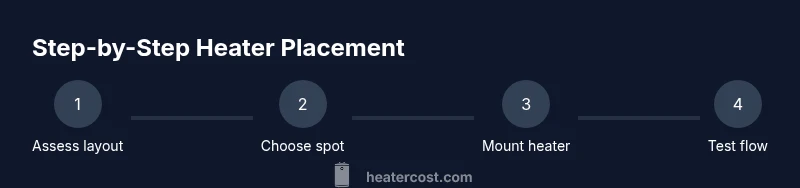
Before installing the heater, map your tank layout, noting filter outlets, substrate depth, and plant or rock placements. Decide on a primary candidate zone that offers moderate flow and easy access for maintenance. Confirm that the heater model is suited for the tank size and that it will be fully submerged as required. Plan thermometer placement to monitor more than one zone. This planning helps prevent retroactive repositioning and reduces disruption to the aquarium ecosystem.
Monitoring and adjusting after installation
After installation, monitor temperatures at multiple points for the first 24–48 hours. If readings vary beyond your target range, adjust the heater location or flow pattern accordingly. Use a reliable thermometer and consider a controller for precise regulation. Keep an eye on behavior in fish and invertebrates; signs of stress can indicate uneven heating. If your tank experiences wide diurnal fluctuations, re-check wiring and ensure there are no drafts around the tank that could influence ambient temperature readings.
Maintenance practices to extend heater life
Regular inspections extend heater life and maintain performance. Check for mineral buildup, signs of corrosion, or loose fittings. Clean the heater housing gently as recommended by the manufacturer and verify the probes are not obstructed. Replace aging heaters promptly and avoid running older units with unfamiliar symptoms. A well-maintained heater contributes to stable water chemistry and reduces stress on tank inhabitants.
DIY relocation: when and how to move a heater safely
If you reconfigure the tank layout, relocation may be necessary. Always unplug and remove power before handling the heater, and move it only when the water is calm. Refill the water slowly after repositioning to avoid air pockets. After reinstallation, re-check temperatures across several zones and adjust as needed. If in doubt, consult manufacturer guidelines or Heater Cost’s maintenance resources for safe practices.
Cost considerations and purchasing tips
Choosing the right heater involves evaluating tank size, species requirements, and typical room temperatures. Look for adjustable, reliable models with safety features and durable construction. Compare warranties and service options. Remember that a well-placed heater reduces energy waste and supports long-term tank health, which translates into lower maintenance costs over time.
Tools & Materials
- Adjustable aquarium heater(Choose a heater appropriate for your tank size; ensure it is submersible and rated for the water type (freshwater or saltwater).)
- Accurate aquarium thermometer(Place in multiple zones to verify even heating; consider both a digital and a traditional glass thermometer as backups.)
- Aquarium-safe heater guard (optional)(Provides extra protection against accidental contact with sensitive fish or decor.)
- Glass suction cups or mounting hardware(Use to stabilize the heater and keep it away from filter intakes or rocks.)
- Digital thermometer or temperature controller (optional)(For precise control and automatic shutoff during abnormal temperature shifts.)
Steps
Estimated time: 25-40 minutes
- 1
Assess tank layout
Survey the tank for filter outlets, returns, and decorative elements. Identify zones with moderate water movement where a heater can distribute heat evenly without creating hot spots.
Tip: Sketch a quick map of flow paths to guide placement. - 2
Choose a location
Select a spot that balances flow with proximity to the thermometers. Avoid directly next to the filter outlet or the tank corners where heat can stagnate.
Tip: If unsure, test two potential spots over 24 hours and compare stability. - 3
Prepare the heater
Unbox and inspect the heater. Confirm it is submersible, intact, and free of cracks. Attach mounting hardware as needed.
Tip: Do not power on until fully submerged per manufacturer instructions. - 4
Mount the heater
Secure the heater in the chosen location with its mounting hardware. Position it upright and ensure it won’t touch glass or decor that could overheat.
Tip: Keep the heater away from sharp edges to avoid damage. - 5
Position the thermometer
Place thermometers near the heater and at least one other zone to verify even heating. Ensure probes aren’t blocked by plants or décor.
Tip: Calibration check helps prevent drift in readings. - 6
Power up and observe
Plug in the heater and monitor for a stable rise to the target range. Do not rely on a single reading; check multiple points after 6–12 hours.
Tip: Keep lights on a consistent schedule to avoid masking temperature shifts. - 7
Fine-tune with flow
If temperature distribution remains uneven, adjust filter flow or relocate the heater slightly. Small changes can improve overall stability.
Tip: Even minor adjustments can significantly affect distribution. - 8
Document and review
Record the final placement and observed temperatures over 7–14 days. Review if any tweaks are necessary for seasonal changes.
Tip: A simple log helps with future tank maintenance.
Got Questions?
Why is heater placement important in an aquarium?
Placement affects how heat is distributed. Proper positioning prevents hot spots and cold pockets, reducing stress on fish and corals and promoting stable water temperatures.
Proper heater placement ensures heat distributes evenly, reducing stress on fish and corals and keeping temperatures stable.
Can I place the heater near the filter?
Placing the heater near the filter outlet can help distribute heat, but avoid direct exposure to strong jets that create hot zones. Balance with overall flow.
Near the filter can help distribute heat, but avoid direct strong jets that create hot spots.
Where should the thermometer be placed?
Place thermometers at multiple points in the tank, including near the heater, to verify even heating and detect temperature gradients.
Put thermometers in several spots so you can confirm even heating.
Is it safe to move a heater once the tank is filled?
Yes, but unplug first and move slowly to avoid air pockets; recheck temperatures after repositioning.
You can move it safely, just unplug first and recheck temperatures afterward.
How do I know if my heater is working correctly?
Monitor temperatures over 24–48 hours and compare across zones. Look for steady readings with no sudden spikes.
Watch temperatures for a day or two to confirm steady readings.
What problems can poor heater placement cause?
Uneven heating, stress to sensitive species, increased algae growth in warm zones, and higher energy use due to inefficient heat distribution.
It can cause uneven heat, stress fish, and waste energy.
Watch Video
The Essentials
- Place heaters to promote even heat distribution across the water column.
- Verify temps with multiple thermometers after installation.
- Consider flow patterns and tank type when choosing a spot.
- Regularly inspect and maintain the heater for safety and longevity.
- Document placement decisions for easier future adjustments.