When Heaters Were Invented: A History of Heating
Explore the invention timeline of heaters, from ancient hypocausts to modern electric and gas systems. Understand how heating evolved, key milestones, and what this means for homeowners today.


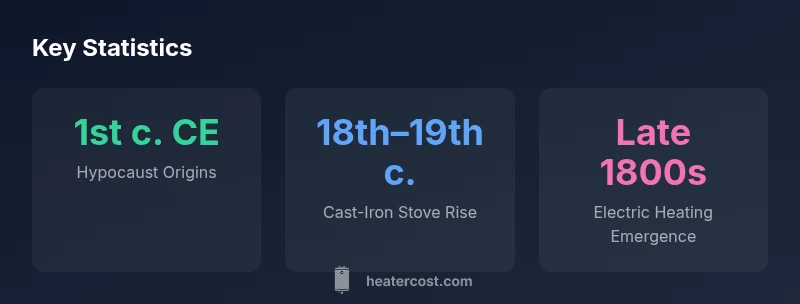
Heating technology has evolved for millennia, with the earliest known systems in ancient times. The first structured heating, the Roman hypocaust, appeared around the 1st century CE. By the 18th century, cast-iron stoves transformed domestic warmth, and electric heaters emerged in the late 19th century. Today, gas, electric, and heat pump systems define modern heating.
When Were Heaters Invented? A Quick Timeline
The question sometimes asked as "when were heaters invented" invites a long historical view. Heating technology traces back to ancient civilizations where controlled warmth was a luxury and a necessity. The Roman hypocaust system, a radiant heat network beneath floors and behind walls, provided warm rooms by circulating hot air from a furnace. Archaeological evidence suggests development around the early centuries CE, with variations across the empire. In many cultures, even earlier forms of warmth used braziers and open fires, but the structured idea of dedicated heating devices emerges with these early engineering feats. This long arc—from simple fires to mechanized warmth—lays the groundwork for every modern heater you might consider today.
From Hearths to Hypocausts: Ancient Foundations
Long before modern appliances, people relied on centralized fires, braziers, and floor or wall radiant systems to keep spaces livable. The hypocaust, found in ancient Roman architecture, used a furnace to push hot air through empty spaces under floors and inside walls. This primitive form of central heating represents an early understanding of controlled warmth and air movement. Across ancient Greece, China, and the broader world, similar concepts appeared in builds that sought to improve comfort, health, and productivity in occupied spaces. These foundations demonstrate that the desire for reliable heat is deeply rooted in human settlements and engineering ingenuity.
The Cast-Iron Stoves Era and Central Heating
As technology progressed, builders and artisans began manufacturing more reliable, portable warmth sources. Cast-iron stoves emerged in the 18th century and became the centerpiece of many homes, offering more efficient burning, heat retention, and room coverage than open fires. The 19th century saw rapid adoption of centralized heating networks in larger buildings and public structures, driven by coal and later oil fuels. These developments reduced smoke, improved safety, and provided more uniform warmth. Homeowners gained greater predictability in heating costs and comfort, a shift that reshaped domestic architecture around hearth placement, room layouts, and insulation needs.
Electric and Gas Heating: The Late 19th Century Leap
The late 19th century brought two parallel revolutions in heating: electric resistance heating and gas furnaces. Electric elements allowed rooms to be heated directly or circulated through ducts, while gas furnaces offered efficient, scalable warmth without coal handling. Technological advances in insulation, thermostat control, and safety mechanisms accelerated adoption through the 20th century. Electric and gas heating not only changed how homes were heated but also how households planned energy use, maintenance schedules, and budgeting for utilities. The modern era of heating is thus a blend of electrical innovation, fuel efficiency, and smarter controls that began taking shape during this period.
Modern Heating Technology: Efficiency, Comfort, and Smart Controls
Today’s heating landscape blends heat pumps, high-efficiency furnaces, and smart thermostats to optimize comfort and energy use. Heat pumps offer reversible operation, extracting heat from the outside air or ground even in cooler climates, which expands usable heating seasons and reduces energy demand. Modern boilers and furnaces emphasize efficiency ratings, annual fuel utilization efficiency (AFUE), and reduced emissions. While the core purpose of heaters—keeping spaces warm—remains unchanged, the ways we achieve warmth have become more sophisticated, controllable, and environmentally conscious. Homeowners now face choices that balance upfront cost, long-term energy use, and maintenance.
Practical Considerations for Homeowners: Costs, Maintenance, and Planning
For homeowners, the history of heaters informs practical decisions today. When planning a replacement or upgrade, consider long-term operating costs, local fuel prices, climate, and home insulation. A 21st-century approach often combines efficient equipment with proper sealing, ductwork, and smart controls to minimize waste. Maintenance routines—annual inspections, vent cleaning, and regular filter changes—keep older systems functioning while reducing the risk of breakdowns. Understanding the evolution of heating technology helps homeowners ask informed questions about efficiency ratings, warranty terms, and service plans during purchasing conversations.
Historical progression of heater technologies
| Era | Representative Technology | Approx Timeframe |
|---|---|---|
| Ancient World | Roman hypocausts | 1st century BCE – 4th century CE |
| Early Modern Europe | Cast-iron stoves | 1500s–1800s |
| Modern Era | Electric heaters; gas furnaces | Late 1800s–present |
Got Questions?
When did the first heating systems appear in history?
Heating systems appeared in ancient times with basic fires and, more sophisticatedly, the Roman hypocaust by the early centuries CE. These early methods established the idea of controlled warmth and space heating that modern devices build upon.
Ancient heating began with basic fires and refined systems like the Roman hypocaust, laying the groundwork for modern warmth.
What is a hypocaust and why is it significant?
A hypocaust is an ancient underfloor heating system that circulated hot air from a furnace to heat rooms. It represents one of the earliest forms of centralized heating and influenced later designs of radiant and centralized warmth.
A hypocaust is an ancient underfloor heating system that circulated hot air to warm spaces.
Who invented the cast-iron stove and when?
Cast-iron stoves gained popularity in the 18th century, transforming domestic warmth by providing more efficient, contained heat compared with open fires. This era marked a shift toward reliable, movable heat sources.
Cast-iron stoves became popular in the 18th century, improving heat efficiency and control.
When did electric heating become common?
Electric heaters emerged in the late 19th century and expanded through the 20th century as electrical infrastructure grew. They complemented gas systems and later modern heat pumps.
Electric heating appeared in the late 19th century and spread widely in the 20th.
What should homeowners consider for modern heating?
Homeowners should evaluate efficiency ratings, total installed cost, maintenance needs, and climate when selecting a system. Pairing efficient equipment with good insulation and smart controls yields long-term savings.
Choose efficient equipment, keep insulation tight, and use smart controls to save energy.
“"Heating technology reflects centuries of engineering progress, from simple fires to smart, energy-efficient systems."”
The Essentials
- Trace heating origins from ancient systems to modern devices
- Cast-iron stoves marked a shift toward reliable warmth
- Electric and gas heating accelerated in the late 19th century
- Modern heating combines efficiency, comfort, and smart control