Smartlife Heater Costs and Efficiency: A Practical Guide
Explore smartlife heater costs, energy savings, installation tips, and maintenance. Compare models, estimate payback, and optimize connected heating for a smarter, more efficient home in 2026.


A smartlife heater is a heating device that connects to your home network, letting you control temperature, set schedules, and monitor energy use via an app or voice assistant. These systems pair a traditional heater with a smart thermostat and sensors, enabling automation, remote programming, and energy reporting. Heater Cost views smartlife heater as a cornerstone of modern, energy-efficient homes.
What is a smartlife heater?
A smartlife heater refers to a heating system that is network-connected and controllable through smartphone apps, voice assistants, and automation routines. It typically combines a traditional heating source (gas, electric, or heat pump) with a smart thermostat, sensors, and a secure cloud interface. The result is remote control, adaptive scheduling, occupancy-based heating, and detailed energy reporting. In Heater Cost guidance, a smartlife heater is a foundational element of modern, energy-aware homes, enabling homeowners, renters, and property managers to optimize comfort while minimizing waste.
In practical terms, this means you can adjust heat from your phone, craft daily schedules, and receive insights on how weather, occupancy, and weather-stripping affect usage. The technology is changing how we think about heating—not as a single device, but as an integrated component of a larger smart-home system.
How it integrates with home ecosystems
Smartlife heaters are designed to work with popular ecosystems like Amazon Alexa, Google Assistant, and Apple HomeKit, often via a single app or cloud service. Key advantages include voice-activated adjustments, routine-based automations (for example, “lower heat at bedtime” or “preheat before you wake”), and centralized control across devices. When selecting a model, verify compatibility lists, regional availability, and language support. Security is also crucial: look for two-factor authentication, regular firmware updates, and clear data handling policies. This integration can streamline daily routines and provide consistent comfort across rooms while giving energy usage visibility in one place.
Beyond basic controls, many smartlife heaters support energy dashboards, trend charts, and fault alerts. These features help you identify inefficient patterns—like rapid cycling or overheating—and adjust settings to protect equipment and reduce energy waste. The end result is a more cohesive, responsive home that adapts to your lifestyle.
Energy savings and cost considerations
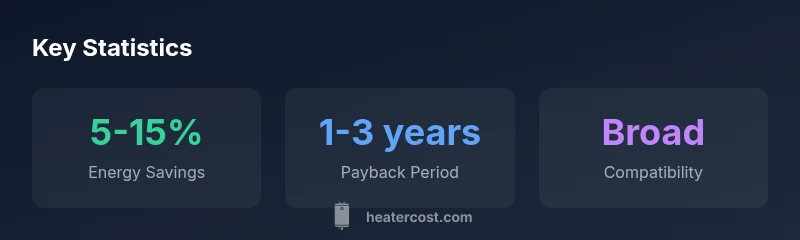
Energy savings from a smartlife heater depend on climate, insulation, occupancy, and how aggressively you schedule heating. In general, occupancy-aware schedules and remote control can reduce wasted heat, but results vary by home. Based on Heater Cost Analysis, 2026, typical households might see measurable energy savings when smartlife features are used in conjunction with efficient insulation and proper setpoints. Expect ranges rather than fixed figures, with higher savings in poorly insulated homes and during periods of irregular occupancy. Always compare the total cost of ownership, including device price, installation, firmware updates, and potential maintenance, rather than focusing on the upfront cost alone.
When evaluating a model, consider metrics such as real-time energy reporting, the granularity of usage data, and how the device reacts to weather changes. A well-integrated system can adjust to outdoor conditions and indoor setpoints automatically, reducing energy waste during peak hours. For property managers, aggregated data across units can reveal patterns that inform retrofit decisions and occupancy planning.
In short, smartlife heater adoption can improve efficiency, provided you pair intelligent controls with good home performance and consistent maintenance.
How to choose the right smartlife heater
Choosing the right smartlife heater involves matching performance with your home’s needs and your budget. Start with BTU or wattage calculations to ensure the unit can meet peak demand without oversizing. Look for high-efficiency ratings and compatibility with your existing thermostat or smart-home hub. Consider features like occupancy sensing, geofencing, and multi-room control if you manage larger spaces. Firmware update cadence and vendor support are important for long-term reliability. A broader ecosystem compatibility, strong security practices, and transparent energy reporting are indicators of a robust choice. Finally, compare total cost of ownership, factoring in installation costs, potential incentives, and the expected lifespan of the device.
For landlords and property managers, prioritize ease of maintenance, remote diagnostics, and scalable multi-unit deployment options. This helps ensure consistent comfort across units and simplifies upkeep over time.
Installation and setup basics
Installation complexity varies with the heating system type and existing wiring. In many cases, a professional installation ensures proper integration with your home’s electrical or gas line, thermostat wiring, and any in-wall sensors. If you’re swapping from a manual thermostat to a smartlife interface, plan for wiring checks and possibly a minor panel upgrade. After installation, take time to configure core schedules, set safety boundaries (like temperature limits), and enable remote access with secure credentials. Register devices, create family- or staff-bound accounts, and verify compatibility with mobile apps and voice assistants. A well-planned setup minimizes initial glitches and accelerates the return on investment.
Property managers should document device IDs, warranty terms, and maintenance windows, so tenants have a smooth onboarding experience while staying compliant with building codes and energy policies.
Maintenance and troubleshooting tips
Routine maintenance extends the life of smartlife heaters and preserves efficiency. Schedule annual checks of filters, ventilation paths, and sensor performance, and stay current with firmware updates. If you notice inconsistent heating, check scheduling logic, thermostat setpoints, and connectivity status. Common issues—like delayed response to app commands or unexpected temperature changes—are often resolved by rebooting the device, re- pairing with the network, or performing a factory reset followed by a fresh setup. Keep logs of faults and alerts to share with technical support, if needed. Regular maintenance also helps protect against cybersecurity risks by ensuring firmware and security patches are applied promptly.
Security and privacy considerations
Security is a critical dimension of smartlife heater adoption. Use strong, unique passwords for all accounts, enable two-factor authentication, and keep firmware updated to patch vulnerabilities. Review data-sharing settings to understand what information is collected and how it’s used. When possible, enable local control options that minimize cloud reliance and reduce exposure to external threats. For renters and multi-tenant buildings, ensure that device data is segregated per unit and that access controls prevent unauthorized use. Privacy-focused configurations, routine password updates, and vendor privacy policies should guide your choices.
Future trends in smartlife heaters
The landscape for smartlife heaters is evolving toward deeper energy analytics, more seamless multi-device integration, and increased emphasis on safety and resilience. Expect improvements in predictive maintenance, enhanced occupancy sensing, and smarter demand-response capabilities from energy providers. Manufacturers are likely to offer more modular solutions that adapt to different retrofit scenarios, making upgrades easier for homeowners and property managers alike. In 2026 and beyond, the trend is toward holistic home energy management where heating systems are a central controllable asset rather than a standalone device.
Key features and setup considerations for smartlife heaters
| Aspect | Smartlife Heater Feature | Notes |
|---|---|---|
| Compatibility | Works with major ecosystems (Alexa, Google, HomeKit) | Check regional availability and language support |
| Energy Reporting | Real-time consumption data | May require compatible meter or device integration |
| Control & Access | Mobile app and voice control | Ensure secure accounts; enable two-factor authentication |
| Installation | Wall/ducted or baseboard integration | Professional installation recommended for complex setups |
Got Questions?
What is a smartlife heater and how does it differ from a traditional heater?
A smartlife heater combines a traditional heating system with a networked thermostat and sensors, enabling remote control, automation, and energy reporting. It differs from a traditional heater by providing connectivity, data insights, and smart scheduling to improve comfort and efficiency.
A smartlife heater is a connected system with a thermostat and sensors, letting you control heat remotely and see energy use.
Is a smartlife heater worth it for renters?
Renters can benefit from smart features like remote control and scheduling without major renovations. However, lease terms and electrical/wiring constraints may limit installation options. Check with your landlord and ensure compatibility with a portable or easily reversible setup.
Renters can still gain convenience, but confirm installation limits with the landlord.
Does installation require a professional?
Installation can range from simple battery-powered thermostats to complex wiring changes. For gas or electric base systems, professional installation is recommended to ensure safety, code compliance, and optimal integration with existing equipment.
Often advisable to hire a pro for safety and best results.
Can I use a smartlife heater with my existing thermostat?
Many smartlife heaters can complement or replace existing thermostats, but compatibility varies by model and system type. Review manufacturer guidelines and consider professional assessment to ensure seamless integration.
Most models can work with existing setups, but check compatibility first.
What maintenance is required for smartlife heaters?
Regular maintenance includes filter checks, sensor calibration, and firmware updates. Keeping software current helps security and performance, while periodic professional service ensures long-term reliability.
Keep the software updated and schedule annual checks.
How secure is a smartlife heater against hacking?
Security depends on password practices, two-factor authentication, and firmware updates. Use strong credentials, enable 2FA, and keep devices within a secure home network to minimize risk.
Secure your accounts with strong passwords and 2FA, and update firmware regularly.
“A connected heating system delivers measurable gains only when schedules, sensors, and energy monitoring are used thoughtfully.”
The Essentials
- Define your ecosystem compatibility before shopping.
- Estimate energy savings based on climate and usage patterns.
- Plan for professional installation if wiring changes are needed.
- Prioritize security features and firmware updates.
- Compare total cost of ownership, not just upfront price.