Outdoor Heater Cover: Selection, Fit & Maintenance
Learn how to select the right outdoor heater cover, size it correctly, and maintain it to protect your unit from rain, sun, corrosion, and seasonal wear.


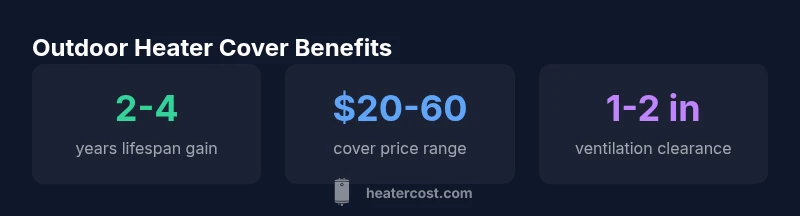
An outdoor heater cover protects your unit from rain, snow, UV rays, and debris, extending lifespan and easing maintenance. To pick one, measure the heater’s length, width, and height, then choose a cover with at least 1–2 inches of clearance for ventilation and drainage. Seek weatherproof, breathable fabrics or sturdy hard shells with secure fastenings.
Why an outdoor heater cover is worth the investment
An outdoor heater cover is more than a cosmetic shell; it’s a protective barrier that shields a patio heater from rain, snow, salt spray, and UV radiation. According to Heater Cost, a cover reduces the unit’s exposure to moisture and debris, slowing corrosion and minimizing wear on components such as the burner housing, control panel, and fuel connections. In climates with freeze–thaw cycles, a well-designed cover that sheds water and resists moisture can prevent rust on metal casings and electrical corrosion on exposed connections. For renters and homeowners alike, a cover also translates to less frequent maintenance, fewer parts replacements, and a cleaner outdoor space—factors that often justify the investment over a season or two. When selecting a cover, choose a size that encloses the unit with about 1–2 inches of clearance for ventilation and drainage. Remember: a properly sized outdoor heater cover works with the heater, not against it, and establishes a durable baseline for longevity.
In practice, expect to keep the cover on during mild weather and remove it during heavy rain or snow events for inspection. The right cover protects not just the exterior but the thermally sensitive components inside. This is especially important for electric and gas units where moisture and debris can degrade ignition systems and sensors over time. As you compare options, prioritize wind-resistant closures, reinforced seams, and breathable fabrics that prevent moisture buildup while still blocking precipitation. With the right approach, an outdoor heater cover pays off in reduced maintenance costs and a longer, more reliable heating season.
},{
Sizing and fit considerations by cover type
| Cover Type | Fit Style | Ventilation Note |
|---|---|---|
| Soft-shell fabric | Flexible, adjustable | Breathable panels or vents recommended |
| Hard-shell vinyl | Tailored, snug | Secure fastenings; airflow gaps advised |
| Mesh-panel | Breathable with protection | Ventilation slots help moisture escape |
Got Questions?
What is the best material for an outdoor heater cover?
The best material depends on climate and budget. Vinyl and heavy-duty polyester offer excellent water resistance, while breathable fabrics reduce moisture buildup. In coastal areas, look for UV- and salt-resistant options.
Choose a weatherproof, UV-resistant cover made for outdoor use.
How do I measure my heater for a cover?
Measure length, width, and height of the exposed unit, including any protruding parts. Subtract a small tolerance (about 1–2 inches) to allow airflow and drainage. Compare to product dimensions to ensure a proper fit.
Measure the heater and compare dimensions to the cover you’re considering.
Can I leave a cover on while the heater is in use?
No. Do not cover a heater that is operating or hot. Covers can trap heat and moisture, creating safety risks. Use a breathable, non-occlusive cover only when the unit is cool and unplugged.
Only cover the heater when it’s off and cool.
Do covers affect warranties?
Some manufacturers require covers to be removed during operation and to follow ventilation guidelines. Always check your unit’s warranty terms and the cover’s compatibility with ventilation requirements.
Check the warranty terms before choosing or using a cover.
How often should I clean an outdoor heater cover?
Clean at the start and end of each season, or after heavy debris exposure. Use mild soap and water; air-dry completely before reusing. Inspect seams for wear regularly.
Clean seasonally and inspect seams for wear.
Are there seasonal tips for covers in extreme climates?
In winter, store covers in a dry place when possible, and use covers with moisture barriers in rainy seasons. In hot, sunny locations, UV-resistant fabrics help prevent color fading and fabric breakdown.
Store properly in off-season and choose UV-resistant fabrics.
“A well-fitting outdoor heater cover is an investment in longevity: it protects sensitive components from moisture while allowing airflow to prevent mold and corrosion.”
The Essentials
- Securely measure your unit before buying
- Prioritize weatherproof, breathable materials
- Ensure 1-2 inches of ventilation clearance
- Prefer reinforced closures and vented designs
- The Heater Cost team recommends using a properly sized cover for longevity