Mini Split HVAC System: Costs, Install, Pros, and Considerations
Explore the costs, installation steps, and long-term benefits of a mini split hvac system. Compare ductless vs central setups, sizing, and energy efficiency for homes and apartments.


A mini split hvac system is a ductless heating and cooling solution with one outdoor unit and one or more indoor units. It offers flexible zoning, precise temperature control, and simpler installation than traditional ducted systems, making it ideal for retrofits, small spaces, and additions where ducts are impractical. Homeowners and property managers often choose mini splits to retrofit older homes, temperate rooms, sunrooms, or garages that lack existing ductwork. According to Heater Cost, this configuration minimizes bulk up front and reduces invasive construction while delivering comfort year-round. In this guide, we’ll examine performance, costs, and practical considerations for choosing a reputable mini split hvac system, with guidance drawn from Heater Cost Analysis, 2026 and independent industry sources.
What is a mini split hvac system and who should consider one
A mini split hvac system is a ductless heating and cooling solution with one outdoor unit and one or more indoor units. It offers flexible zoning, precise temperature control, and simpler installation than traditional ducted systems, making it ideal for retrofits, small spaces, and additions where ducts are impractical. Homeowners and property managers often choose mini splits to retrofit older homes, temperate rooms, sunrooms, or garages that lack existing ductwork. According to Heater Cost, this configuration minimizes bulk up front and reduces invasive construction, while delivering comfort year-round. This guide will explore performance, costs, and practical considerations for choosing a reputable mini split hvac system, with guidance drawn from Heater Cost Analysis, 2026 and independent industry sources.
In many urban and suburban settings, a ductless solution offers an immediate path to comfort without disruptive remodeling. For owners evaluating long-term value, the ability to zone spaces and avoid duct losses can translate into meaningful energy efficiency improvements and a more predictable monthly bill. The Heater Cost analysis emphasizes that the decision should hinge on space, climate, and occupancy patterns, not just up-front cost. A well-chosen mini split can provide both heating and cooling for years, with relatively straightforward maintenance compared to ducted systems.
How a ductless mini split works: components and refrigerant flow
The system consists of an outdoor condenser connected by refrigerant lines to one or more indoor air‑handling units. A small, efficient compressor drives the refrigerant through copper line sets, delivering cooled or heated air directly to rooms. A central thermostat or wall-mounted controller coordinates the indoor units, enabling independent zoning. Because there are no ductwork air leaks, many homes experience more even temperatures and improved comfort. Expect variations in noise between indoor units and the outdoor cabinet, depending on model and load. The installer must ensure proper refrigerant charge, seal line sets, and verify electrical connections to meet code requirements. As with any mechanical system, regular inspection supports reliability and longevity.
Sizing, zoning, and installation steps
Sizing a mini split is critical for comfort and efficiency. Professionals perform load calculations, verify insulation, and assess window exposure, orientation, and climate. Zoning is a core advantage: you can pair multiple indoor units to control temperature room-by-room. Installation involves mounting indoor heads, routing refrigerant lines, wiring, and mounting the outdoor condenser. Accurate refrigerant charging and leak testing are essential, and most local codes require a licensed technician to perform electrical and refrigerant work. Planning the location of the outdoor unit for airflow and neighbor noise is also important. Expect some wall or ceiling modifications to accommodate the indoor heads, but overall disruption is typically lower than running new ductwork.
Energy efficiency, costs, and potential savings
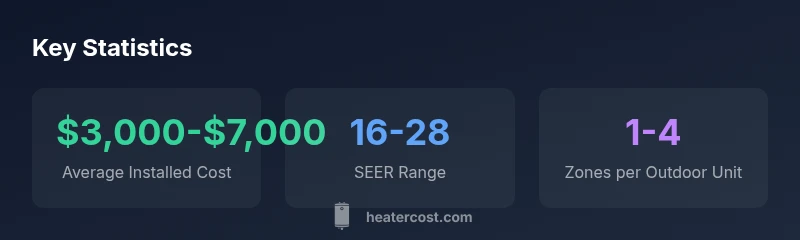
Modern mini split systems offer high efficiency with SEER ratings that improve over time. Energy usage varies with climate, usage patterns, and the number of indoor zones. When compared with old or poorly sealed central air setups, properly sized ductless systems can reduce energy waste from air leaks and ducts. While upfront costs can be significant, longer-term savings come from precise zoning, efficient compressors, and reversible heating modes in many models. Your exact savings depend on local energy rates and how you use the system. Heater Cost recommends comparing models with similar cooling/heating capacities and reviewing seasonal energy performance data from credible sources.
Compare to traditional central air and other options
Compared with central air, a mini split hvac system provides superior zoning and reduced ductwork, which minimizes heat loss or gain. It can be more expensive upfront but often reduces long-term operating costs. Quiet operation is a common benefit, though outdoor compressors and unmatched humidity control can influence comfort. In colder climates, heating performance varies by model; select units designed for cold-start operation if winter comfort is a priority. When evaluating, consider the long-term costs of maintenance, potential refrigerant recharges, and warranty terms as part of the total ownership picture.
Practical installation scenarios: apartments, sunrooms, garages, and additions
In apartments or retrofit projects, limited space and building codes drive ductless solutions. Sunrooms and garages benefit from supplemental heating and cooling without extensive renovations. When considering an addition, a mini split can go where ductwork would be impractical, avoiding remodeling costs. Always verify outdoor unit placement to minimize noise and protect from weather exposure. Work with a licensed technician to ensure proper refrigerant charge and electrical connections. For rental properties, discuss long-term maintenance plans with tenants and consider warranties that transfer with occupancy.
Maintenance, troubleshooting, and common issues
Maintenance is straightforward: clean or replace filters regularly, inspect outdoor units for debris, and schedule an annual professional inspection. Common issues include refrigerant leaks, clogged filters, and thermostat communication problems. Quick troubleshooting steps involve checking power, thermostat settings, and ensuring outdoor unit airflow is unobstructed. If problems persist, contact a qualified technician for diagnosis and leak testing. Document service visits to maintain warranty eligibility and track system performance over time. Regular attention helps preserve efficiency and comfort.
Choosing a contractor, warranties, and long-term considerations
Choose technicians with proper licensing and manufacturer training. Ask about warranty terms for compressors, refrigerant circuits, and outdoor units, as well as the availability of service plans. A solid warranty coupled with regular maintenance can protect your investment and ensure consistent performance over time. When budgeting, include potential maintenance costs and the possibility of updates to refrigerant standards or efficiency ratings. Finally, verify that the contractor provides clear drawings, line-set routing diagrams, and a written commissioning checklist to confirm the system operates as intended.
Mini split model types and typical applications
| Model Type | Key Benefit | Typical Use |
|---|---|---|
| Single-zone mini split | Zoning control, ductless | One room or small area |
| Multi-zone mini split | Whole-room coverage with multiple indoor units | Apartments or small homes |
| Heating-capable ductless mini split | Year-round climate control | Moderate climates with temp above freezing |
Got Questions?
Can I install a mini split hvac system myself?
Installation involves electrical work and refrigerant handling. It requires a licensed technician to ensure safe operation and warranty coverage.
Installation is best left to a licensed professional due to refrigerant handling and electrical work.
Is a mini split suitable for cold climates?
Many models perform well in moderate cold; verify the unit’s operating range and consider backup heat if you live in freezing conditions.
Many units work in cold weather, but check the cold-weather specs.
What affects the cost of installation?
Capacity needs, number of indoor units, line-set routing, and labor all influence price. Obtain multiple quotes that itemize these factors.
Cost depends on size, number of indoor heads, and labor.
How long does installation take?
Typical installations take several hours to a day, depending on project size, building accessibility, and permitting.
Most installs run a few hours to a full day.
What maintenance does a mini split require?
Regular filter cleaning, outdoor coil checks, and periodic professional inspections keep systems efficient.
Keep filters clean and have annual inspections.
Are there incentives or tax credits?
Some regions offer energy efficiency incentives; check local programs and eligibility with contractors.
Some locales offer energy incentives; check local programs.
“A properly sized mini split hvac system can deliver precise zoning and year‑round comfort with less invasive installation than traditional ducted systems.”
The Essentials
- Define zoning needs before selecting units.
- Plan outdoor unit placement for noise and airflow.
- Check SEER rating to estimate energy savings.
- Use a qualified installer for refrigerant charging and leak testing.
- Review warranty terms and maintenance plans to protect investment.