HVAC Heater Costs: A Comprehensive Guide for Homeowners
Explore hvac heater costs, installation considerations, maintenance tips, and energy-saving strategies to optimize comfort and minimize long-term expenses for homeowners, renters, and property managers in 2026.


An hvac heater is the heating component of an HVAC system that delivers warmth to a home through ducts, radiators, or radiant floors. In most homes, the heater is paired with an air handler, a blower, and a thermostat that modulates output based on demand. When you compare fuel sources, you'll see differences in efficiency, emissions, and operating costs: gas furnaces, electric furnaces, and heat pumps each have distinct profiles. The heater's performance depends on climate, insulation, and the design of the distribution system. This section explains how the hvac heater fits into a complete climate-control strategy and why efficiency ratings matter for long-term costs. The Heater Cost analysis emphasizes that choosing a compatible, efficient heater is the foundation of predictable comfort and finances.
Understanding hvac heater basics
An hvac heater is the heating component of an HVAC system that delivers warmth to a home through ducts, radiators, or radiant floors. In most homes, the heater is paired with an air handler, a blower, and a thermostat that modulates output based on demand. When you compare fuel sources, you'll see differences in efficiency, emissions, and operating costs: gas furnaces, electric furnaces, and heat pumps each have distinct profiles. The heater's performance depends on climate, insulation, and the design of the distribution system. This section explains how the hvac heater fits into a complete climate-control strategy and why efficiency ratings matter for long-term costs. The Heater Cost analysis emphasizes that choosing a compatible, efficient heater is the foundation of predictable comfort and finances.
Types of hvac heaters and where they shine
The main categories are furnaces (gas, electric, and sometimes oil), and heat pumps (air-source or geothermal). Gas furnaces convert natural gas into heat and distribute it through ducts; electric furnaces use electric resistance elements. Heat pumps move heat rather than generate it, providing cooling in summer as well. Geothermal heat pumps extract heat from the ground, offering high efficiency but with higher installation complexity. Each type has advantages: gas furnaces are common in colder regions with reliable gas service; electric furnaces are simpler where electricity is cheap; heat pumps shine in moderate climates and in newly built homes with tight envelopes. Hybrid systems combine heat pumps with a supplemental furnace to balance efficiency and warmth in extreme weather. The choice affects upfront cost, energy usage, and maintenance needs; you’ll want to compare AFUE for furnaces, SEER/HSPF for heat pumps, and compatibility with existing ductwork and thermostats.
Estimating installation and ownership costs
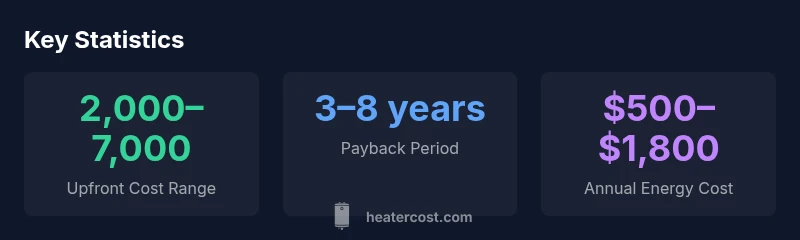
Installation costs vary by system type, existing ductwork, and local labor rates. A gas furnace installation often involves venting, gas lines, and duct adjustments; a heat pump installation may require outdoor unit placement and refrigerant lines; electric furnaces usually need simple wiring upgrades. Beyond upfront equipment, energy costs depend on climate, insulation, and thermostat programming. Owner costs include routine maintenance, filter replacements, and potential seasonal servicing to prevent breakdowns. Tax credits and utility incentives in many areas can reduce net cost, especially for high-efficiency models. The Heater Cost analysis notes that a well-chosen, efficient system can deliver lower operating costs over 10–15 years, even if the initial price is higher. Always obtain multiple quotes and verify warranty terms and contractor credentials.
Maintenance and longevity: keeping the system healthy
Routine maintenance improves reliability and preserves efficiency. At a minimum, homeowners should replace or clean filters every 1–3 months, depending on usage and filter type. Annual professional inspections help catch worn belts, dusty coils, and duct leaks before they cause big energy losses. For heat pumps, coil cleaning and refrigerant checks are part of typical service; for furnaces, burner adjustments and vent inspection are standard. Duct sealing and insulation are crucial to prevent energy waste. A proactive maintenance plan reduces the risk of unexpected breakdowns and can extend the system’s life by several years. The Heater Cost analysis shows that proactive maintenance often yields the best value over the system’s lifetime and supports consistent indoor comfort.
Energy efficiency and choosing the right system for your climate
Efficiency ratings influence both upfront cost and long-term savings. Look for high AFUE for furnaces, high SEER and HSPF for heat pumps, and whole-house energy performance improvements such as insulation and air sealing. In cold climates, a well-designed heat pump with a gas furnace backup can offer excellent efficiency; in areas with extended winters and low electricity costs, a gas furnace or oil furnace may be cost-effective. When selecting equipment, consider not just the unit but also ductwork, zoning, and smart thermostats. Proper sizing is essential; oversized units waste energy and shorten equipment life, while undersized units struggle to meet demand. The weather and energy prices vary by year; planning with a professional helps align comfort, reliability, and cost.
Common hvac heater system types and typical cost ranges
| System Type | Typical Upfront Cost Range | Avg Lifespan | Energy Source |
|---|---|---|---|
| Furnace (gas) | $2,000–$5,000 | 15–25 years | Natural gas |
| Furnace (electric) | $2,000–$4,500 | 15–25 years | Electricity |
| Heat pump (air-source) | $4,000–$8,000 | 15–25 years | Electricity |
Got Questions?
What is an hvac heater?
An hvac heater is the heating component of an HVAC system that provides warmth by circulating heated air or water. It can be a furnace, heat pump, or boiler, depending on the system design.
An hvac heater is the heating part of your system—think furnaces or heat pumps that warm your home.
What are the main types of hvac heaters?
Common types include gas furnaces, electric furnaces, and heat pumps; each type has different efficiency, fuel requirements, and climate suitability.
The main hvac heater types are gas furnaces, electric furnaces, and heat pumps, with efficiency and climate in mind.
How much does installation typically cost?
Costs vary widely by system and home. It’s best to obtain multiple quotes after a professional assessment of ductwork, wiring, and venting needs.
Costs vary a lot—get several quotes and a clear scope of work from licensed installers.
How often should hvac heater be maintained?
Most systems benefit from an annual professional inspection and regular filter changes (every 1–3 months, depending on usage).
Schedule a yearly check with a pro and change filters regularly.
Is a heat pump suitable for cold climates?
Modern cold-climate heat pumps perform well in many regions; in very cold areas, a supplemental furnace or hybrid system can improve reliability.
Cold-climate heat pumps work in many places, but a backup furnace helps in extreme cold.
Can I perform simple maintenance myself?
Yes. You can change filters, keep outdoor components clear, and check thermostat settings. Major repairs require a licensed technician.
You can handle basic tasks like changing filters; for repairs, call a pro.
“A high-efficiency hvac heater is a smart long-term investment; the upfront premium is often offset by lower energy bills and fewer repairs over time.”
The Essentials
- Compare system types based on climate and energy costs
- Prioritize efficiency ratings (AFUE, SEER, HSPF) to maximize savings
- Get multiple quotes before committing
- Schedule proactive maintenance to extend life