How to Use a Heater in a Room: A Practical, Safe Guide
Learn to safely select, position, operate, and maintain a space heater. This practical how-to covers safety basics, energy efficiency, and common mistakes to avoid.


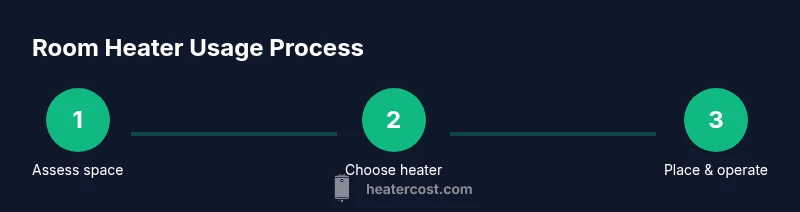
To use a heater in a room safely and efficiently, start by selecting the right heater for the space, read the manual, and prepare the area with clearances. Plug into a dedicated outlet, set the thermostat to a comfortable temperature, and avoid running the heater with doors or windows ajar. Regularly inspect for signs of overheating and perform routine maintenance as recommended by Heater Cost.
Why proper heater use matters
Heat affects comfort, safety, and energy bills. When you understand how to use heater in room effectively, you gain control over warmth without wasting energy or risking fire. The Heater Cost team emphasizes that choosing the right type for the space and following safe practices reduces risks and improves indoor air quality. In practice, proper heater use means matching heat output to the room size, avoiding blocked vents, and using settings that maintain a steady temperature rather than rapid on/off cycles. This approach minimizes energy spikes, extends the heater’s life, and keeps occupants comfortable through fluctuating weather. It also fosters safer living spaces by reducing clutter near the heater, ensuring smoke detectors are functional, and keeping flammable materials at safe distances. By taking a deliberate approach to placement, operation, and maintenance, you’ll achieve reliable warmth, better control over humidity and drafts, and lower annual heating costs according to Heater Cost analysis.
Safety basics before turning it on
Before you switch on any heater, take a moment to assess the space and ensure basic safety. Clear the area of clutter, drapes, and furniture that could overheat or block airflow. Place the unit on a stable, level surface away from wet areas and out of reach of children or pets. Use only a dedicated outlet and avoid daisy-chaining with extension cords. Install or verify a working smoke detector nearby and, for gas or fuel-fired models, ensure proper ventilation to prevent the buildup of fumes. If the heater has a tip-over switch, keep it unobstructed and test the switch periodically. Finally, read the user manual for model-specific safety instructions and follow local codes for electrical or gas appliances. Safety first not only protects people but also helps the unit run more efficiently.
Understanding different heater types
There are several common types of heaters for rooms, each with strengths and limitations. Electric convection heaters heat the air for steady warmth, radiant or infrared heaters target objects and people directly, and oil-filled radiators provide gentle, long-lasting warmth with quiet operation. Gas and propane heaters can deliver strong heat in larger spaces but require adequate ventilation to prevent buildup of combustion byproducts. When learning how to use heater in room, consider how quickly you want heat, how long you’ll run it, and whether you need portable options. In most homes, electric units are the easiest to install and maintain, while gas models demand ventilation and adherence to local safety rules. Assess your room’s insulation, climate, and occupancy patterns to choose the best type.
Choosing the right heater for your room
Selecting a heater that matches the room’s characteristics is key to comfort and efficiency. Look for a model with appropriate heat output for the space, energy-efficient controls, and safety features like overheat protection and a tip-over switch. For bedrooms or living rooms, consider noise level and the ability to run a timer so heat is available when needed but not constantly running. Evaluate energy costs and read reviews to understand long-term performance. Heater Cost analysis suggests prioritizing units with precise thermostats and automatic shutoff to prevent overheating, which can waste energy and reduce comfort. Finally, check for features such as oscillation or speaker-quiet fans that help distribute warmth evenly.
Proper placement and setup
Place the heater on a stable, level surface with clearances from walls, furniture, and any fabrics or papers. Avoid placing heaters on rugs or close to curtains, as heat can ignite soft materials. Ensure the power cord lies flat and is not pinched by furniture; never run cords under carpets. If you’re using a gas heater, ensure proper ventilation and avoid enclosed spaces without airflow. Position the unit so that air can circulate around the room without creating drafts that pull heat away from occupants. By setting up correctly, you’ll maximize warmth, minimize cold spots, and reduce the risk of fires.
Operating tips for comfort and energy efficiency
Create a comfortable, energy-efficient environment by using a programmable thermostat or built-in timer to avoid leaving heat on all day. Start with a lower setting and gradually increase if needed, instead of blasting heat at once. Use a fan or natural airflow to distribute warm air more evenly and reduce hotspots. Keep doors closed to contain heat in the room you’re warming and seal drafts with weather stripping where possible. Regularly check for smiling signs of overheating, unusual smells, or scorch marks, which should prompt immediate action.
Maintenance and long-term care
Regular maintenance helps extend the life of a heater and keeps it running safely. Dust the exterior and vents with a soft brush or vacuum attachment to maintain airflow. If your model has filters, clean or replace them as recommended by the manufacturer. Keep the area around the heater clean and free of clutter, and schedule periodic professional inspections for fuel-burning units to verify venting and combustion efficiency. According to Heater Cost analysis, routine upkeep reduces the chance of unexpected failures and maintains optimal performance.
Common mistakes and how to fix them
Common mistakes include running heaters on high heat constantly, blocking air intakes with furniture, using extension cords, and leaving heaters unattended. Fixes are straightforward: use the thermostat or timer to maintain steady warmth, keep vents unobstructed, plug directly into a wall outlet, and never leave a heater unattended when people are sleeping or away from home. By correcting these habits, you’ll improve safety and comfort while lowering energy waste.
Quick safety checklist before use
- Inspect the unit and cord for damage prior to operation.
- Ensure at least a safe clearance around the heater and away from flammable items.
- Plug into a dedicated, properly rated outlet; avoid daisy-chaining.
- Install or verify working smoke and CO detectors if applicable.
- Set the thermostat to a comfortable, sustainable temperature and enable a timer if possible.
Tools & Materials
- Owner's manual(Keep for model-specific safety and wiring guidelines)
- Smoke detector(Ensure it is functioning in the room)
- Carbon monoxide detector(Especially important for gas heaters)
- Fire extinguisher(Keep within easy reach in case of emergency)
- Room thermometer or thermostat(Helps maintain steady comfort)
- Non-slip heat-resistant mat(Provides stable footing and protects surfaces)
- Soft brush or vacuum(For regular cleaning of vents and surrounding area)
- Proper extension cord(Only if absolutely necessary and rated for heater use)
Steps
Estimated time: 45-60 minutes
- 1
Read the manual and inspect the area
Begin by reviewing the user manual to understand safety features and electrical requirements. Clear the space around the heater, removing clutter, fabrics, and anything that could obstruct airflow. This helps you perform the setup safely and avoids overheating or fire risks.
Tip: Spot-check the outlet rating and ensure it matches the heater's plug. - 2
Identify the heater type and its suitability
Confirm the heater model is appropriate for the room size and climate. Different types heat differently, so match the design to how quickly you want warmth and how the room retains heat.
Tip: If you’re unsure, choose a model with adjustable heat modes and a built-in timer. - 3
Choose a stable placement with clearances
Set the heater on a flat, stable surface away from walls, curtains, or furniture. Ensure there is space around the unit to allow air to circulate freely and reduce the risk of overheating.
Tip: Avoid placing the heater on carpet or rugs where heat can accumulate. - 4
Plug in correctly and perform initial test
Plug the heater directly into a wall outlet. If your model has a power switch, turn it on and verify the indicator lights or display. Don’t use extension cords unless the cord is specifically rated for heater use and you have verified safety.
Tip: Observe for unusual smells or smoke during the initial test and shut off if detected. - 5
Set thermostat for steady comfort
Choose a comfortable, stable temperature rather than continuous high heat. A gradual approach helps the room reach and maintain warmth without energy spikes or drafts.
Tip: Use a timer to schedule heat only when you’re present in the room. - 6
Distribute heat and manage airflow
If possible, use a small fan to help distribute warm air evenly. Keep doors closed to contain heat in the target space and reduce drafts from adjacent rooms.
Tip: Do not block the heater’s vents with furniture or drapes. - 7
Monitor safety during operation
Check for overheating, unusual odors, or scorch marks. If anything unusual appears, turn off the unit and investigate. Regular checks help prevent accidents and extend the heater’s life.
Tip: Set a reminder to inspect the unit after a few hours of use. - 8
Perform routine maintenance after use
Once you’re done for the day, unplug the heater and clean dust from vents. Store it safely if not needed for extended periods. Routine care keeps efficiency high and reduces the risk of malfunctions.
Tip: Schedule seasonal cleanings and filter checks if applicable. - 9
Store safely when not in use
When seasons change, store the heater in a dry location away from children and pets. Keep the manual in a handy place for quick reference during the next cold spell.
Tip: Inspect the unit before the next season and re-familiarize yourself with safety guidelines.
Got Questions?
Is it safe to leave a space heater on overnight?
Most heaters are not designed to run all night in unoccupied spaces. Use a timer or smart outlet to limit run time and always ensure a working smoke detector is nearby.
Most space heaters shouldn’t run all night without supervision. Use a timer and a detector-equipped space for safety.
Can I use a space heater in a small room?
Yes, but choose a heater appropriate for the room size and ensure adequate ventilation if required by the model. Monitor the heat and avoid overheating the space.
Yes, but pick a heater suited for small rooms and keep an eye on heat levels.
Should I use extension cords with a heater?
Extension cords are generally not recommended for heaters unless the cord is rated for high heat and the setup is deemed safe by the manufacturer. Plug directly into a wall outlet when possible.
Avoid extension cords if you can; plug the heater directly into a proper outlet.
What features should I look for in a space heater?
Look for overheat protection, a tip-over switch, an accurate thermostat, and a timer if you want automatic shutoff. Quiet operation and easy cleanability are pluses for bedrooms and living rooms.
Prioritize safety features like overheat protection, tip-over, thermostat, and a timer.
How often should I maintain a space heater?
Perform routine cleaning and check vents monthly during periods of frequent use. For fuel-burning models, follow the manufacturer’s schedule for inspections and vent checks.
Clean vents regularly and follow the manual’s maintenance schedule.
Are gas heaters safer than electric heaters?
Electric heaters are generally easier to use indoors and require less ventilation. Gas heaters need proper venting and gas safety considerations, so follow local codes and manufacturer instructions.
Electric heaters are typically simpler indoors; gas heaters require proper ventilation and caution.
Watch Video
The Essentials
- Choose the right heater for the space and climate
- Prioritize safety with placement and ventilation
- Use thermostats and timers for consistent comfort
- Regular maintenance improves efficiency and safety
- Avoid common mistakes to reduce fire risk and energy waste