How to Make a Heater Out of Clay Pots: A Practical, Safe Guide
Learn how to make a clay-pot heater as a supplemental heat source, with safety-first guidance, material lists, and practical setup tips. This Heater Cost guide covers design options, ventilation, maintenance, and safer alternatives.


Goal: create a simple clay-pot heater as a supplementary heat source using two terra cotta pots, a small safe heat source, a metal stand, and a fire-safe base. This DIY setup requires careful ventilation, constant supervision, and adherence to local safety codes. It is not a substitute for a certified heater, and safety comes first.
What this project is and why people try it
A clay-pot heater is a small, improvised heating device that uses two terra cotta pots stacked to trap heat. The concept has been discussed by homeowners seeking cheap, low-energy warmth in moderate climates. According to Heater Cost, DIY clay-pot heaters are sometimes considered as a supplemental heat source for very small spaces or emergency situations, but they are not a substitute for a certified heater. The appeal lies in simple materials and a visible demonstration of heat transfer, yet this approach requires careful design, ventilation, and strict safety oversight. In this section we’ll explain what it is, when it might be worth trying, and where the line should be drawn between a learning project and a safety risk. The Heater Cost team found that while some households test these ideas, many jurisdictions discourage relying on improvised devices for routine heating.
Safety First: Understanding the Risks
Clay-pot heaters introduce several hazards, including open flames or high heat near flammable materials, carbon monoxide in poorly vented spaces, and burn injuries from hot surfaces. Prolonged use can cause cracking in the ceramic pots, spreading hot shards or releasing fumes. Always ensure good ventilation, a non-combustible base, and a clear perimeter free of curtains or paper. If you smell smoke or hear cracking sounds, power down immediately and move to a safer heat source. This section highlights the importance of risk awareness and establishing clear safety rules before you begin.
Materials, Tools, and Workspace Setup
Gather only heat-resistant, non-flammable components and a clearly defined workspace. Materials typically include terra cotta pots (two sizes), a metal stand or rack, a fire-safe base (tile or ceramic slab), a small heat source (candle or approved tea-light device in a dedicated holder), and a non-flammable packing medium (sand or ceramic grit). You may also want a thermometer, heat-resistant gloves, and a timer. Set up away from walls or drapes, on a cool, level surface, and keep a bucket of water or a fire extinguisher nearby. This block emphasizes planning and safety alignment before starting assembly.
Design Variations: Which Configuration to Choose
Design choices range from a simple two-pot stack with a single heat source to a stepped arrangement for incremental heat. The most common configuration uses the bottom pot as a heat reservoir and the top pot as a radiating cover, with air gaps to promote convection. Variations include adding a bottom diffuser plate, a small steel ring for stability, or insulating the base with sand to reduce surface heat transfer to the table. Each variation affects heat output and stability, so choose a design aligned with your space, ventilation, and comfort level. Remember, subtle heat with careful control is safer than rapid, uncontrolled warming.
High-Level Step-by-Step Overview: What the Parts Do (Non-Instructions)
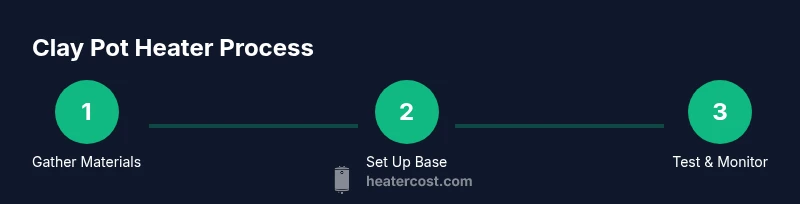
Think of the heater as three parts working together: a heat source, a heat reservoir (the lower pot), and a radiant enclosure (the upper pot). Air gaps and a safe base enable convection, moving warmed air into the room. A stable stand keeps the pots off the surface, while a heat-diffusing base helps distribute warmth more evenly. This overview helps you understand the flow of heat and the relationships between components without detailing exact actions.
Placement and Ventilation: Where and How to Place
Position the device on a non-flammable, stable surface away from curtains, pets, and children. Ensure there is adequate ventilation; never seal the space or operate the device in an enclosed room with no exhaust. Place the heater in a location with a few feet of clearance on all sides to prevent accidental contact. If you use a candle-based heat source, keep a snuffer or lid handy to control flame height and temperature. This block covers essential safety-minded placement to minimize risk.
Operating Safely: Monitoring, Temperature, and Safe Use
Never leave a clay-pot heater unattended. Monitor the heat source height and flame, and check for cracking or unusual odors every 15–20 minutes during operation. Use a thermometer to track surface and ambient temperatures and stop if the pots feel excessively hot to touch. Have a plan to extinguish the heat source quickly if needed, and switch to a certified heater for longer heating periods. This section emphasizes ongoing vigilance and practical safety habits.
Maintenance, Troubleshooting, and When to Stop
Regularly inspect the pots for cracks, chips, or glaze damage. Clean dust from air gaps and ensure vents remain clear. If you notice cracking, warping, or persistent smoke, discontinue use immediately. Do not attempt repairs with glue or makeshift seals. Many homeowners find safer alternatives in portable electric heaters or heat pumps, especially for longer-term use. This block guides ongoing care and tells you when to stop before hazards emerge.
Costs, Alternatives, and Practical Advice for Homeowners
A clay-pot heater can be inexpensive to assemble, but the true cost includes potential risks and the price of safer, certified alternatives. Consider energy efficiency, space size, and how often you’ll use the device. For most households, a certified electric heater or a small heat pump offers greater reliability and safety. This final content block helps homeowners weigh practicality and risk, with guidance from Heater Cost on making smarter, cost-aware decisions.
Tools & Materials
- Two terra cotta clay pots (different sizes)(Choose sizes that allow the smaller pot to nest inside the larger with some air gaps.)
- Metal stand or rack(A stable, heat-resistant base raise to keep pots off surfaces.)
- Heat-safe base (ceramic tile or metal tray)(Non-flammable surface to place under the heater.)
- Small heat source (candle/tea-light in holder)(Use only a dedicated holder; never loose flames.)
- Non-flammable packing medium (sand or ceramic grit)(Optional for base insulation and stability.)
- Thermometer (infrared or probe)(Helps monitor surface and ambient temperatures.)
- Heat-resistant gloves(For handling hot pots safely.)
- Water or extinguisher on hand(Important safety backup in case of emergency.)
Steps
Estimated time: 60-90 minutes
- 1
Prepare workspace and materials
Clear the area, lay out all materials on a nonflammable surface, and confirm ventilation. This initial setup reduces the risk of last-minute hazards and lets you verify you have everything you need before assembly.
Tip: Double-check pot sizes and ensure the top pot will nest properly over the bottom pot. - 2
Set up a stable base
Place the heat-safe base on the metal stand or rack, ensuring it sits level. The purpose is to keep the pots elevated and away from the table to prevent heat damage or ignition.
Tip: If the base wobbles, adjust the stand or add a non-slip pad under it. - 3
Arrange pots and spacing
Position the larger pot as the lower reservoir and the smaller pot above it with a gap for air exchange. Avoid sealing gaps that are needed for convection.
Tip: Aim for several millimeters of gap around the inner pot to promote airflow. - 4
Install the heat source
Place the candle or tea-light source in a dedicated heat-safe holder centered within the lower pot. Ensure it is secure and cannot tip over easily.
Tip: Never use loose candles; a holder reduces flame risk. - 5
Establish air flow
Check that air can circulate between the pots and beneath the base. Avoid encasing the setup in tight spaces where heat can accumulate.
Tip: Observe for warm air rising; if not, adjust pot spacing. - 6
Test small burn
Light the source and monitor the initial heat gently for a short period. Use a thermometer to keep surface temperatures within safe limits.
Tip: Keep a close watch during the first 10 minutes. - 7
Shut down safely
When finished, extinguish the heat source completely and allow the pots to cool on the base. Store or relocate to a non-flammable area.
Tip: Always have a plan to quench the flame quickly.
Got Questions?
Is it safe to use a clay-pot heater indoors as a primary heat source?
No. Clay-pot heaters should only serve as a supplemental heat source in well-ventilated spaces. They are not a substitute for certified heating equipment and carry fire and CO risks. Always follow local codes and consult a professional for long-term heating needs.
Clay-pot heaters should only supplement, not replace, a certified heater, and should be used in well-ventilated spaces.
How much heat can a clay-pot heater provide for a room?
Heat output varies by design, materials, and ventilation. They are typically suitable for very small spaces and short-term use, not for sustained warming of larger areas.
Output depends on design; these are usually best for small, drafty nooks rather than whole rooms.
Can I use candles or tea lights in the heater?
Candles increase fire risk and CO buildup. If you must use a candle, use a proper holder in a ventilated area and monitor constantly. Safer options include certified electric heaters.
Candles raise risk—stick to proper holders and ventilation, but consider safer electric heaters instead.
What maintenance is required for safety?
Regularly inspect pots for cracks, clean dust from vents, and ensure the base remains stable. Do not use damaged components, and discontinue use if any part looks compromised.
Inspect for cracks and keep vents clean. Don’t use damaged parts, and stop if anything looks unsafe.
Are there safer, more reliable alternatives for space heating?
Yes. Portable electric heaters, heat pumps, or radiant panels are designed for indoor use, come with safety standards, and are easier to regulate. Consider these for continuous heating needs.
There are safer options like electric heaters and heat pumps designed for indoor use.
Watch Video
The Essentials
- Follow strict ventilation and supervision when using improvised heaters
- Choose designs that maximize airflow and minimize surface heat
- Never substitute certified heaters with improvised devices for long-term heating
- Regularly inspect for cracks and discontinue use if damage appears
- Safer alternatives exist and may be more cost-effective in the long run