How Often to Service Your Heater
Learn how often to service furnaces, boilers, water heaters, and space heaters with practical steps, safety tips, and maintenance guidance from Heater Cost.


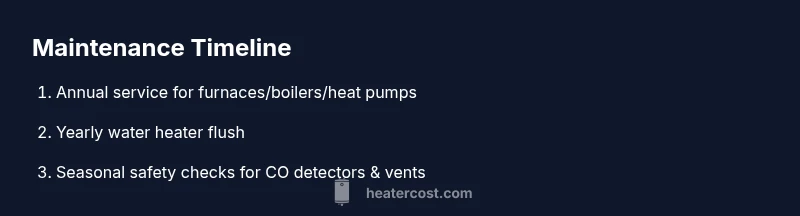
Regular service is the best defense against costly breakdowns and uncomfortable cold snaps. For most homes, schedule an annual professional inspection for furnaces, boilers, and heat pumps. Water heaters typically benefit from a yearly flush and anode check. Space heaters should be inspected and cleaned every season, with professional service if you notice performance issues.
Why regular service matters
Regular service is the best defense against costly breakdowns and uncomfortable cold snaps. A well-tuned heater runs more efficiently, uses less energy, and maintains safer operation. For homeowners, renters, and property managers, scheduling routine maintenance is a smart investment that pays off with more consistent comfort and fewer emergency repairs. This is especially true as equipment ages or climates shift, forcing systems to work harder. According to Heater Cost, a proactive maintenance approach can catch developing issues before they become major failures, helping you avoid expensive repairs and unexpected downtime. Regular checks also extend the life of critical components such as burners, heat exchangers, ignition systems, and condensate drains, which often wear gradually and show few obvious warning signs. While the exact service needs vary by system type, a disciplined cadence— typically at least once a year for most heating equipment, plus seasonal checks for safety devices—keeps performance steady and peace of mind high. In short: maintenance is cheaper than repair, safer than neglect, and more reliable for everyday comfort.
How often to service by heater type
Different heating systems have different maintenance rhythms. Understanding these guidelines helps you plan ahead.
-
Furnaces, boilers, and heat pumps (gas, electric, or dual-fuel): schedule a professional inspection at least once per year, ideally in the shoulder season before peak heating months. An annual tune-up can improve efficiency and catch issues like ignition misfires, dirty burners, or clogged condensate lines before they cause a shutdown.
-
Water heaters (tank-type): plan a yearly maintenance routine that includes flushing the tank to remove sediment and inspecting the anode rod. A professional check can verify thermostat accuracy and pressure relief valve operation.
-
Tankless water heaters: service every 1-2 years to clean mineral buildup and inspect venting and gas lines if applicable.
-
Space heaters: safety checks and cleaning should occur before each heating season, with a professional inspection if you notice poor performance, unusual smells, or a cracked housing.
If you rent, coordinate service with your landlord; if you own, add service to your calendar.
What a service visit includes
A typical service visit focuses on safety, efficiency, and performance. The technician will inspect ignition and burners, heat exchanger integrity, venting and flue condition, and condensate lines where present. They’ll check electrical connections, test safety devices such as carbon monoxide detectors and limit switches, calibrate thermostats, and ensure proper system sequencing. Filters are cleaned or replaced, ductwork is checked for obstructions, and the overall load calculation is re-verified. For water heaters, expect a drain and flush of the tank, anode rod inspection, and relief valve testing. In all cases, you’ll receive a written report with findings and recommended follow-ups to keep your system running smoothly between visits.
DIY maintenance you can safely perform
Some routine maintenance can be done safely without special licensing, reducing the burden on your annual visit. Regularly replace or clean furnace and boiler air filters according to your manufacturer’s guidance, typically every 1-3 months during heavy use. Keep the area around the unit clear of dust, debris, and clutter, and vacuum supply and return vents to maintain airflow. Test carbon monoxide detectors monthly and replace batteries as needed. Wipe dust from accessible electrical panels and tighten loosened screws only when the power is off. Do not disassemble burners, pressure switches, or gas lines yourself—these require a licensed professional.
Scheduling and preparing for a pro visit
Prepare for a service call by gathering your system’s model and serial numbers, any prior service records, and a list of symptoms or concerns. Clear access to the equipment, remove any obstructing belongings, and ensure power is shut off during the initial inspection if directed by the technician. If gas appliances are involved, confirm your gas shutoff location and request a combustion safety check. Share climate preferences, recent energy bills, and any unusual noises or smells. Having a maintenance log shows you’ve been consistent and helps the technician tailor recommendations for long-term reliability.
Safety, code compliance, and energy efficiency
Safety is the top priority for heating systems. Regular service verifies safe operation of gas lines, ignition, venting, and CO detectors, reducing the risk of carbon monoxide exposure. In many regions, annual professional inspections are encouraged or required by manufacturers or local codes, especially for gas-fired equipment. Service also uncovers opportunities to improve energy efficiency, such as sealing ducts, upgrading filters, or recalibrating thermostats. While energy savings vary by home and climate, a well-maintained system typically delivers smoother operation and steadier comfort with fewer wasted dollars.
How to choose a contractor and get a fair quote
Start with licensed, insured technicians who specialize in your heater type. Check reviews and ask for references from similar homes. Obtain at least three written estimates that itemize parts, labor, and any recommended replacements. Ask about turnaround time, warranty coverage, and post-service support. Verify that the technician will provide a detailed report and a maintenance calendar for the year ahead. Clarify whether the quote includes live testing of safety devices and any necessary code-compliant venting checks.
Cost considerations and value of maintenance
Maintenance adds value by reducing unexpected failures, extending equipment life, and maintaining efficiency. Costs can vary by region, service scope, and system complexity, so always request a written estimate before work begins. Look at the long-term value: fewer emergency calls, lower repair costs, and better performance during peak usage. Although it’s tempting to skip a service, the investment in preventive maintenance typically pays for itself over time through reliability and comfort.
Building a maintenance calendar that sticks
Create a simple, repeatable schedule that works with your family’s routines. Mark annual service windows on the calendar, plus seasonal checks for safety devices and ventilation. Use a shared digital calendar or a printed planner, and set reminders 2–4 weeks in advance. Attach your service log to the calendar so you have a running history. Review the calendar each season to adjust for changes in usage, occupancy, or equipment performance.
Seasonal checklists for renters and homeowners
Renters: coordinate with your landlord for annual service and report issues promptly. Homeowners: set a base calendar for annual service and quarterly DIY checks, including filter changes and CO detector tests. Keep a simple one-page checklist handy near the thermostat and in the maintenance log. This keeps everyone aligned and reduces last-minute scrambles when cold weather arrives.
Tools & Materials
- Safety gear (gloves, eye protection)(Keep protected when inspecting or flushing)
- Screwdriver set (Phillips and flathead)(For access panels and vent covers)
- Adjustable wrench(For hose connections and fittings)
- Vinegar or descaling solution(For flushing mineral buildup in water heaters (optional))
- Bucket and towels(Catch water and clean spills during flushing)
- Shop vacuum or brush(Clean dust from around vents and coils)
Steps
Estimated time: 60-90 minutes
- 1
Identify each heater and review records
Make a quick inventory of all heating devices in the space and pull the latest service notes. Note last service date, observed symptoms, and any manufacturer-recommended intervals. This establishes your baseline for the visit.
Tip: Having a written log speeds up the assessment and helps track component age. - 2
Power down and isolate safety-critical systems
Turn off the electrical supply to the unit if accessible and follow any safety shutdown procedures in the manual. For gas units, confirm the gas supply valve is closed only if advised by the technician.
Tip: Never bypass safety interlocks or knock out panels yourself. - 3
Inspect venting, clearance, and surrounding area
Ensure vents are clear, ducts are intact, and there is sufficient clearance from combustibles. Look for signs of corrosion, moisture, or blockages that could impede exhaust flow.
Tip: Clear the area of clutter to maintain safe access during service. - 4
Check and replace filters as needed
Examine air filters and replace or clean according to the manufacturer’s specs. A dirty filter reduces efficiency and can strain the blower motor.
Tip: If you have pets or high dust, change filters more frequently. - 5
Inspect electrical connections and controls
Look for loose wires, worn insulation, and signs of overheating. Ensure thermostat wiring is secure and the control board is free of dust.
Tip: Tighten connections only if you know the correct torque; loose connections are safer than crimped ones. - 6
Test safety devices and CO detectors
Test carbon monoxide alarms and verify the functionality of safety switches and limit controls. Replace batteries if needed and ensure alarms have current dates.
Tip: Keep CO detectors within range of living spaces and tested monthly. - 7
Flush water heater if applicable
Drain a portion of the tank to remove sediment and inspect the anode rod if accessible. Refill, purge air, and verify heating elements or burners are functioning afterward.
Tip: Be cautious with hot water and use protective gloves during draining. - 8
Calibrate thermostat and check efficiency
Confirm the thermostat reads accurately and maintains target temperatures. Check flame color for gas units and assess burner efficiency.
Tip: Consider setting a schedule so the system can adjust to daylight hours and occupancy. - 9
Document service details and plan next steps
Record date, findings, and any recommended parts or future checks. Schedule the next service and share results with occupants or property managers.
Tip: Keep a copy of the final report for warranty and resale records. - 10
Review safety practices with occupants
Discuss simple daily safety checks and energy-saving habits to maintain a comfortable, safe home environment between visits.
Tip: Provide occupants with a simple one-page safety checklist.
Got Questions?
How often should I service my furnace?
Most furnaces should be professionally serviced once per year, ideally before the coldest months. Regular service reduces the risk of breakdowns and helps maintain efficiency.
Furnaces are usually serviced once a year to prevent breakdowns and keep efficiency high.
Can I flush a water heater myself?
Flushing a water heater can be done by some homeowners, but it involves hot water and sediment. If you’re unsure, hire a pro to avoid scalding or damage.
Flushing a water heater can be done by some homeowners, but if you’re unsure, it’s safer to hire a professional.
What does a typical service visit include?
A typical visit includes safety checks, cleaning or replacing filters, burner and heat exchanger inspection, venting checks, thermostat calibration, and a written report of findings.
A service visit usually covers safety checks, cleaning, and a written findings report.
Is annual service required for space heaters?
Space heaters should be checked and cleaned before each heating season. If you notice performance issues, schedule a professional inspection.
Yes, clean and safety-check space heaters annually, and call a pro if you notice issues.
How do I know if service is overdue?
Watch for rising energy bills, unusual noises, smells of gas or burning, and uneven heating. Schedule service if you notice any of these.
Look for higher bills, odd noises, or strange smells and get service soon.
How should I choose a contractor?
Verify licenses and insurance, read reviews, and request multiple written estimates. Ask for references and a clear, itemized checklist.
Make sure they’re licensed, insured, and provide clear written estimates.
Watch Video
The Essentials
- Schedule annual professional service for most heaters.
- Flush water heaters yearly and check safety devices.
- Keep a maintenance calendar and logs for reliability.
- Use licensed professionals for gas work and complex tasks.
- Regular checks reduce energy waste and improve comfort.