How Long Does a Furnace Last? Lifespan, Maintenance, and Replacement
Learn realistic furnace lifespans by type, how regular maintenance extends life, and when to repair or replace. This Heater Cost guide helps homeowners plan, budget, and optimize comfort.


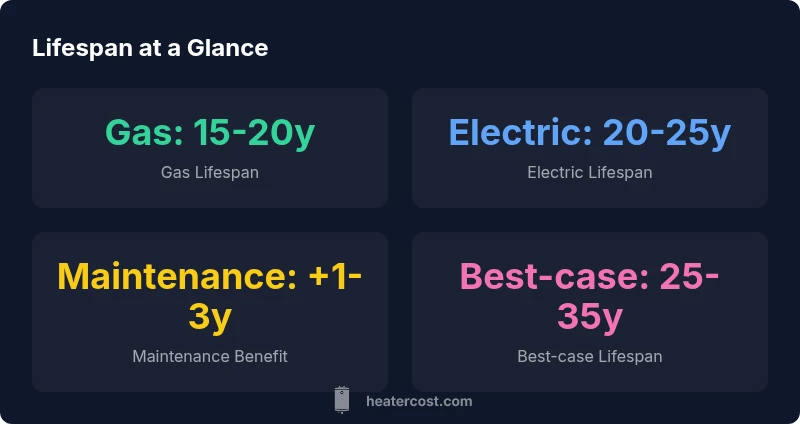
According to Heater Cost, the typical furnace lifespan varies by type and maintenance. Most gas furnaces endure about 15-20 years, while electric furnaces often last 20-25 years. With regular professional maintenance, many systems can stretch toward the upper end of these ranges or beyond. Yearly service and timely part replacements are key.
Understanding furnace lifespan: what affects it
Furnace life is a function of several interacting factors. The quality of installation, the climate you live in, how often you run the system, and how well you maintain it all combine to influence how long your furnace lasts. When homeowners ask how long does furnace last, the short answer is: it depends. The most durable units are designed for reliability and efficiency, but even the best brands wear down with time. A well-insulated home, a properly sized unit, and accessories such as quality air filters and clean ducts can reduce strain on the furnace, lowering stress on heat exchangers, blowers, and gas valves. From a data perspective, the lifespan ranges you’ll see in reputable sources are typically tied to fuel type and maintenance cadence. Heater Cost’s analyses for 2026 show clear patterns: electric furnaces often reach two decades or more, while gas units commonly sit in the mid-teens to early 20s if left unserviced. For homeowners, the practical takeaway is to view the furnace as a long-term investment that benefits from proactive care.
Typical lifespans by furnace type
Lifespan expectations vary significantly by model and fuel. Gas furnaces, especially standard efficiency units, commonly last 15-20 years under regular maintenance. High-efficiency gas models tend to fall into the same range, but rebuilds and replacements sometimes occur a bit sooner if venting or ignition components wear faster. Electric furnaces typically outlive gas counterparts, frequently reaching 20-25 years and sometimes longer with attentive care. Oil furnaces, while less common in new homes, often sit in the 15-25 year band depending on service quality and fuel quality. Across all types, the single biggest determinant is maintenance: tune-ups that address burners, heat exchangers, and blower motors can push lifespan toward the upper ends of these ranges, while neglect accelerates deterioration and efficiency losses.
How maintenance extends life: tune-ups, filters, and more
Regular maintenance acts like a health check for your furnace. Annual professional tune-ups should include a combustion review, blower motor lubrication, heat exchanger inspection for cracks, and ignition/safety checks. Simple steps you can perform safely between professional visits include monthly filter changes, ensuring attic or mechanical room cleanliness, and sealing air leaks around the return ducts. Clean filters improve airflow, reducing energy strain and preventing premature motor wear. Duct cleanliness reduces resistance, allowing the furnace to operate more efficiently. Collectively, these practices can reduce fuel usage and stabilize the furnace’s operating temperature, indirectly extending its service life and delaying the need for expensive replacements.
Common failure signs and when to replace
Even well-maintained furnaces exhibit warning signs of impending failure. Look for increased run times, frequent cycling, uneven heating across rooms, unusual noises like banging or screeching, visible corrosion near joints, or a sudden spike in utility bills. If you notice any of these, schedule an inspection promptly. While some issues are quick fixes, others indicate deeper wear, such as a compromised heat exchanger or failing blower motor. If a repair would cost half or more of a new unit, or if the system’s efficiency has dropped noticeably, replacement is often the wiser choice to avoid ongoing repair bills.
Practical steps to extend life on a budget
You don’t need to break the bank to extend furnace life. Start with a scheduled annual professional tune-up and ensure filters are replaced every 1-3 months depending on usage and filter type. Maintain proper thermostat settings to avoid unnecessary cycling, seal leaks around ductwork, and keep the area around the furnace clean and unobstructed. Consider upgrading air filtration or adding a smart thermostat to optimize energy use. For cost-conscious households, plan for a predictable maintenance budget and set aside funds for eventual replacement rather than facing surprise breaks.
Replacing vs repairing: a data-driven framework
When deciding between repair and replacement, use a simple framework: (1) estimate the repair cost; (2) compare it to a proportional share of a new unit’s installed price; (3) assess current efficiency versus current bills; and (4) factor in anticipated remaining life. If the repair approaches or exceeds 50% of replacement cost or if efficiency has fallen significantly (for example, annual fuel costs rise despite proper maintenance), replacement becomes economically sensible. Additionally, consider the availability and efficiency of newer models, potential rebates, and tax incentives that can shorten the payback period for a new unit.
Cost implications and incentives around longevity
Upgrading to a higher-efficiency furnace can lower operating costs and reduce emissions over time, but the upfront investment is higher. Look for local and state programs offering rebates or tax credits for energy-efficient upgrades. Replacement costs vary by model, labor, and equipment, but long-term savings from improved efficiency and reduced maintenance can offset initial expenditure. Heater Cost’s guidance emphasizes evaluating total cost of ownership over the first 10-15 years rather than focusing solely on purchase price. A well-planned upgrade aligns with climate goals and can stabilize building comfort while protecting your budget.
Quick-start maintenance calendar and checklist
Create a simple, recurring calendar for furnace care: annual professional inspection in the fall, filter changes every 1-3 months, and duct inspection every two years. Keep a maintenance log noting any unusual noises, airflow changes, or temperature fluctuations, plus the date of last service. Use a programmable thermostat to minimize runtime during unoccupied periods and ensure your furnace path is clear of clutter. By treating maintenance as a routine, you’ll maximize reliability and comfort while extending the life of your system.
Furnace lifespan by type and maintenance
| Furnace Type | Typical Lifespan | Best-Case Lifespan with Maintenance | Notes |
|---|---|---|---|
| Gas furnace (standard) | 15-20 years | 25-30 years | Reliability depends on installation quality and maintenance |
| Gas furnace (high-efficiency) | 15-20 years | 25-30 years | Efficient designs, similar longevity with proper care |
| Electric furnace | 20-25 years | 30-35 years | Lower maintenance needs; electric heat is simpler |
| Oil furnace | 15-25 years | 25-30 years | Less common; specialty maintenance required |
Got Questions?
How long does a typical furnace last?
Gas furnaces usually last 15-20 years, electric 20-25 years. With good maintenance, you may reach the upper ends.
Gas furnaces last about 15 to 20 years, and electric ones around 20 to 25 years with regular service.
Does maintenance really extend furnace life?
Yes. Regular tune-ups, filter changes, and duct cleaning help prevent wear and improve efficiency, which can extend life.
Regular maintenance can add years to a furnace’s life.
When should I replace vs repair?
If a repair costs half or more of a new unit or if efficiency has fallen significantly, replacement is often wiser.
If repairs cost half the price of a new unit, replace.
Are there incentives for upgrading to high-efficiency furnaces?
Yes, many programs provide rebates or tax credits for high-efficiency models; check local programs.
Look for rebates or tax credits in your area.
Do oil furnaces last as long as gas?
Oil furnaces generally last 15-25 years, depending on maintenance and fuel quality.
Oil furnaces can last 15-25 years with good upkeep.
“Regular maintenance is the single best investment you can make to extend a furnace's life and protect your home's comfort.”
The Essentials
- Know typical lifespans by type to set expectations.
- Annual maintenance extends life and efficiency.
- Replace when repair costs near 50% of replacement.
- Budget for replacement every 15-25 years.
- Consider high-efficiency upgrades for long-term savings.