Bleeding Radiators: Do You Need to Turn Off the Heat?
Discover whether heating must be off to bleed radiators, with a complete, safe step-by-step guide, essential tools, maintenance tips, and troubleshooting insights from Heater Cost.


Does heating need to be off to bleed radiators? Not always. In most homes, you can bleed radiators with the boiler off or on standby, but safety matters and some systems require the boiler to be off. Always consult your boiler manual and follow basic precautions. Keep a cloth ready, and vent slowly to avoid scalding.
Quick reality check on bleeding radiators and heat-off requirements
Bleeding radiators is a common maintenance task that helps restore even warmth and quiet operation. According to Heater Cost, most homes can safely bleed radiators while the boiler is off or in standby, but this isn’t universal. The safest approach is to know your specific system type—combi boiler, system boiler, or conventional—before you start. In some setups, the boiler must be off to avoid pressure surges, while in others, you can bleed while the boiler is still on but cooled down. The keyword here is caution: if you feel unsure about your boiler, consult the manufacturer’s manual or a licensed heating technician. The Heater Cost team emphasizes using the manual as the primary source of system-specific instructions and safety requirements.
Understanding why air in radiators causes problems
When air becomes trapped inside radiators, you’ll notice cold spots at the top, banging noises, or uneven heating. Air creates pockets that block hot water from circulating efficiently, reducing overall warmth and increasing energy use. Bleeding radiators releases that trapped air, allowing hot water to fill the radiator more evenly. This simple task can improve comfort in living spaces and reduce boiler cycling, which saves energy over time. In addition, restoring proper circulation helps protect the boiler from unnecessary strain. Remember, a small amount of air can cause a noticeable performance dip, so regular bleeding is a smart maintenance habit.
When to decide if the boiler should be off or on standby
The safest practice is to turn the boiler off or set it to standby while bleeding radiators, especially if you’re new to the process. Some systems tolerate bleeding with the boiler on but cooled; if your boiler is hot, you risk scalding or sudden water discharge. Check the valve by touch first: if it’s hot, wait and recheck. If you have a pressure-reducing valve or a system with a closed loop, overheating risks may be higher. Use your boiler’s manual to confirm, and consider performing the bleed on a cool, quiet moment when you can monitor the process without rushing.
Tools and prep: what to gather and how to arrange the space
Before you start, lay out a small tray or container to catch drips, lay down towels or a protective mat, and have a cloth handy to wipe spills. You’ll probably need a bleed key or a flat screwdriver, a radiator bleed key for square valves, and gloves if you want extra protection. Clear access to each radiator’s bleed valve is essential to avoid knocking pipes or bumping furniture. Planning the order of radiators to bleed—starting from the lowest heat emitters first—can help you recheck pressure more efficiently
Step-by-step overview (without step-by-step details)
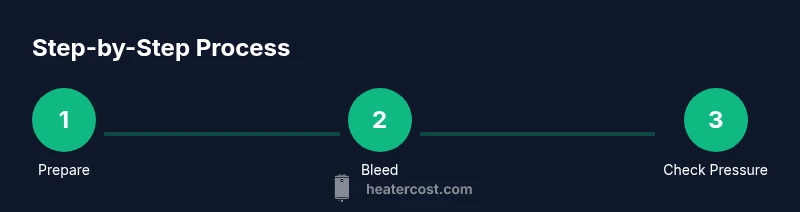
This section introduces the bleeding concept and why it works, then moves into the formal, step-by-step instructions provided below. Bleeding radiators essentially releases trapped air through controlled valve opening until water replaces air. Some systems require a final check of the boiler pressure and rebalancing after bleeding a set of radiators. Use the step-by-step guide to perform the task safely and consistently across multiple radiators.
Common mistakes and how to avoid them
A frequent error is opening the bleed valve too much or too quickly, which can splash hot water or cause air to re-enter the radiator. Another pitfall is failing to protect floors and walls from drips, resulting in water stains or damage over time. Never bleed radiators when the system is dangerously hot, and avoid forcing valves that feel stiff or seized. If you hear hissing or water spurting, stop and reassess—there may be a larger system issue that requires a professional.
Aftercare: pressure check, leaks, and ongoing maintenance
After bleeding, it’s vital to recheck the boiler pressure and ensure there are no leaks around the valve. If pressure is too low, top up according to your boiler manual. If you notice persistent leaks or a drop in pressure after bleeding several radiators, call a professional to inspect for valve damage or system imbalances. Regular checks, especially at the start of heating season, help maintain efficiency and comfort.
Tools & Materials
- Radiator bleed key or screwdriver(Choose the correct size for your valve (commonly 1/4 inch or 7mm) or use a flat-head screwdriver for hex valves)
- Old cloth or rag(Catches drips and protects floors)
- Small container or tray(Place under valve to collect water)
- Gloves (optional)(Protect hands from heat and sharp edges)
- Towel or mat for floor protection(Prevents water damage on flooring)
- Lamp or flashlight (optional)(Better visibility near valves)
Steps
Estimated time: 30-60 minutes
- 1
Safety check and boiler status
Turn off the boiler or set it to standby if required by your system. Allow radiators to cool for a few minutes to minimize the risk of scalding when the valve is opened.
Tip: Always start with a cooled radiator; do not rush the bleed if metal surfaces are hot. - 2
Locate the bleed valve
Find the small valve at the top corner of the radiator, usually on the side. Ensure you have clear access and won’t knock into furniture during the process.
Tip: Keep a cloth nearby to catch any initial water release. - 3
Attach the bleed device
Fit the bleed key or screwdriver onto the valve head, aligning it straight with the valve to avoid stripping the stem. Stand back slightly so water won’t splash you.
Tip: Turn the valve slowly to prevent damage and to control air release. - 4
Open valve and vent air
Open the valve about a quarter turn to begin venting. You should hear a hissing sound as air escapes; once water appears, close the valve slowly to stop water loss.
Tip: Keep the rag in place and aim the vent toward the tray to catch drips neatly. - 5
Check the water flow and pressure
Observe the radiator for a steady stream of water and absence of air pockets after closing the valve. If you notice air bubbles repeatedly, there may be more air or a pressure issue in the system.
Tip: Document the time you bleed a radiator so you can track which ones need additional attention later. - 6
Recheck boiler pressure and top up if needed
After bleeding the radiator, check the boiler pressure gauge and ensure it’s within the manufacturer’s recommended range. If pressure is low, follow the manual to top up carefully.
Tip: Never guess; use the manual’s exact procedure for pressure adjustment. - 7
Bleed additional radiators as needed
If other radiators feel cold at the top or make noise, repeat the bleed process on those units. Begin with the ones that are least warm before moving to the hotter ones.
Tip: Bleed radiators in a logical sequence to simplify pressure management. - 8
Clean up and finalize
Wipe up any moisture, store tools, and ensure all bleed valves are fully closed. Confirm there are no leaks and that radiators warm evenly when the system is reactivated.
Tip: Keep a record of which radiators were bled and the final system pressure for future reference.
Got Questions?
Do I need to turn off the boiler to bleed radiators?
In many homes you can bleed radiators with the boiler off or in standby, but some systems require the boiler to cool. Always follow your boiler manual and local safety guidelines.
You can usually bleed radiators with the boiler off or on standby, but check your manual for safety steps.
What tools do I need to bleed radiators?
A radiator bleed key or screwdriver, an old cloth, and a container are typically sufficient. Some radiators use a square valve that requires a special key.
You’ll usually need a bleed key, a cloth, and a small container.
What if air keeps returning after bleeding?
If air reappears, your system may need a pressure check or a balancing adjustment. Contact a professional if it persists.
If air keeps coming back, there may be a pressure or balancing issue.
How often should radiators be bled?
Bleed radiators when you notice cold spots or banging noises. Regular maintenance can prevent air buildup.
Bleed when you hear noise or feel cold spots; don’t overdo it.
Can bleeding damage the boiler?
Bleeding radiators itself does not damage the boiler; improper technique can cause scalding or leaks. Follow steps carefully.
Bleeding won’t usually damage the boiler if done correctly, but safety matters.
Should I balance radiators after bleeding?
Yes, balancing helps distribute heat evenly across floors and rooms by adjusting lockshield valves after air removal.
Balancing helps even heat after bleeding.
Watch Video
The Essentials
- Bleeding radiators is often safe with the boiler off or standby per system type.
- Always start with cooled radiators and use the proper tools.
- Recheck boiler pressure after bleeding all radiators.
- Protect surfaces and follow safety precautions to avoid burns.