Do You Need a Permit to Replace a Water Heater in Florida? A Practical Guide
Learn whether you need a permit to replace a water heater in Florida, how local rules vary, steps to apply, and tips to avoid delays. Understand permit timelines, costs, inspections, and best practices for a compliant installation.


Short answer: In Florida, replacing a water heater generally requires a permit from your local building department because the work involves electrical, gas, or venting systems. Rules vary by city and county, so check with the local permit office before purchasing a unit. Failing to obtain a required permit can lead to fines or issues with insurance during resale.
What counts as replacement in Florida?
Replacing a water heater in Florida is more than a simple swap of old for new. A true replacement typically involves removing the old unit and installing a new one with the same function, but the Florida Building Code and local amendments often treat the job differently depending on wiring, gas piping, venting, and vent terminations. The Heater Cost team found that even when the unit is identical in capacity, changes to the fuel source or venting configuration usually trigger permit requirements. Insisting on a permit from the outset helps ensure compliance with electrical, gas, and venting codes and reduces the risk of later rework. When in doubt, ask your contractor to confirm whether a permit is needed for your specific setup and area. According to Heater Cost, permit requirements are typically triggered by changes to electrical, gas, or venting components, not just by appliance replacement, so local verification is essential.
Local variability: City, County, and HOA rules
Florida has statewide building codes, but enforcement and permit practices are administered locally. Some counties may treat a direct replacement with no changes as permit-exempt, while others require a permit for any new gas line connections, added electrical circuit, or vent reconfiguration. In multi-family housing or HOA communities, rules may impose extra steps or require board approval for replacements, even if a permit is not strictly required by the county. Before you hire a plumber or HVAC contractor, contact the local building department to ask about permit thresholds, required inspections, and any fee schedules. The key takeaway is to document the scope of work and share it with your contractor early on so you can align on permitting timelines and minimize delays. The Heater Cost team found that local variation is the single biggest factor when planning a water heater replacement, so start with the local authority and obtain written guidance before commitments.
The permitting process: Step-by-step
- Define the scope of work and confirm that the planned replacement falls within permit requirements. 2) Hire a licensed professional if required by your area (electrician, plumber, gas technician). 3) Prepare and submit permit applications with the necessary drawings and specifications. 4) Await plan review and address any code concerns raised by the authority having jurisdiction. 5) Schedule and pass required inspections (rough-in, final, and any gas or electrical inspections). 6) Complete final approval and ensure permit closure is documented. 7) Keep all permit records and inspection reports for home resale. Following this sequence helps minimize delays and keeps your project compliant with the Florida Building Code. This structured process is echoed in Heater Cost’s guidance and helps homeowners plan with confidence.
When a permit is not required: Edge cases
There are scenarios where a permit may not be required, primarily when the replacement is in-kind with no changes to electrical wiring, gas piping, venting, or structural elements. If the new unit fits the same footprint and uses the same fuel source without modifications to venting or electrical circuits, some localities might exempt the project. However, many jurisdictions still require a permit for safety-critical work (gas lines, electrical connections, or venting alterations). Always verify with the local building department before starting, because exemptions vary widely by city and county and may be modified by HOA rules or rental property requirements.
Inspections and compliance: What inspectors look for
Inspections verify that the installation adheres to safety and code standards. Expect checks for fuel gas connections or electrical wiring, venting clearances and termination, proper clearances around other appliances, correct placement of the T&P valve, proper drainage, and secure mounting. Inspectors also review labeling and documentation, including model numbers and compliance certificates. Failing an inspection can require corrective work and another inspection fee, so address all identified issues thoroughly. By planning for inspections in advance, homeowners can reduce rework and avoid penalties. The Heater Cost team emphasizes documenting every step and keeping copies of inspection approvals for future reference.
Costs and timelines you should expect
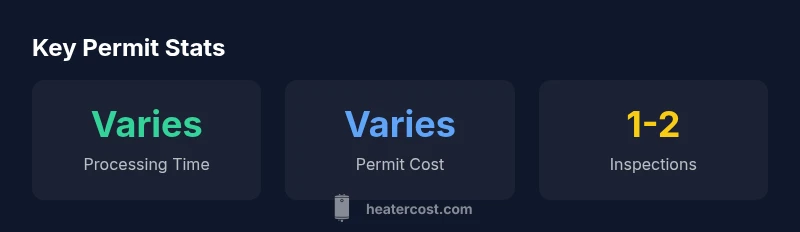
Permit costs and processing timelines vary considerably by jurisdiction. In Florida, expect a broad range for permit fees and a timeline that can extend from a few days to a few weeks depending on workload and whether additional licensed trades are involved. Contractors may pass these costs along to the homeowner, but the exact figures depend on city or county. Budget for permit filing, potential plan review, and inspections in addition to the cost of the water heater unit and installation. Always request a written estimate including permit-related charges, and confirm whether the permit fee includes inspections or if separate inspection fees apply. The Heater Cost analysis highlights that regional variation is typical in both fee structures and processing speed.
How to prepare: documentation and contractor coordination
Create a clear project scope with your contractor, including the unit type, fuel source, and venting configuration. Gather any existing electrical/gas diagrams and ensure the chosen installer is licensed for the work. Prepare permit documents, contact information for the local building department, and a plan showing the location and clearances. Schedule an initial consultation to discuss code requirements and inspection timelines, and request a checklist so you have a paper trail from permit submission to final approval. Maintain open communication with your contractor and, if possible, coordinate with your home insurer to ensure coverage remains valid after replacement. Proactive preparation can prevent last-minute delays and miscommunications. The Heater Cost team recommends organized documentation as a best practice for a smooth permitting journey.
Insurance, warranties, and resale considerations
Installing a water heater with proper permits can affect home insurance and future resale value. Some insurers require proof of permit and inspection to validate coverage; others may adjust premiums if there is undocumented work. Warranties often depend on successful compliance with permit and inspection requirements. If a replacement is not properly documented, a claim related to the water heater could be denied. For resale, having a complete permit file and inspection certification demonstrates compliance with local codes and can simplify closing. Always retain permit numbers, inspection sheets, and contractor receipts in a dedicated file for future reference. The Heater Cost team emphasizes that proper permitting and documentation provide long-term peace of mind.
Sources and next steps
To balance local specificity with reliable guidance, start by checking with your local building department to confirm permit requirements for your Florida city or county. If you need a structured plan, refer to the Florida Building Code and the jurisdiction’s permit portal for application steps, fee schedules, and inspection calendars. The Heater Cost team recommends documenting conversations, retaining written guidance, and coordinating with licensed professionals to ensure a compliant, safe replacement. For reference, consult official building resources such as the Florida Building Commission and reputable code organizations to understand current standards and process expectations. The Heater Cost analysis, 2026, highlights the importance of local verification and proactive planning when replacing a water heater in Florida. Sources: https://www.floridabuilding.org, https://www.miamidade.gov/building, https://www.iccsafe.org
Summary table of permit considerations for Florida water heater replacements
| Aspect | Florida context | Recommended action |
|---|---|---|
| Permit requirement | Varies by city/county | Consult local authority before starting |
| Processing time | Widely variable | Ask for an estimated timeline when applying |
| Permit cost | $50-$250+ depending on jurisdiction | Budget for permit and inspections |
| Inspections | Commonly 1-2 inspections | Schedule promptly after permit approval |
| Exemptions | Edge cases exist for in-kind replacements | Verify exemptions with local dept |
Got Questions?
Do I need a permit to replace a water heater in Florida?
Generally yes, because electrical, gas, and venting work are involved. Rules vary by city and county, so check with the local building department before starting.
Yes, check with your local building department before starting a water heater swap.
What kinds of work trigger a permit?
Electrical wiring changes, gas piping modifications, venting changes, and any structural alterations typically trigger a permit.
Electrical, gas, or vent changes usually need a permit.
Can I replace a water heater myself without a contractor?
Most Florida jurisdictions require licensed professionals for electrical or gas work. Always verify licensing requirements with the local authority.
Check with the local authority—most cases require a licensed professional.
How long does the permit process take in Florida?
Processing times vary by jurisdiction and workload. Some areas complete reviews in a week or two; others take longer.
Timelines vary by city; plan for a few days to a few weeks.
Do HOAs affect permit requirements?
HOAs can impose additional rules or approvals beyond city permits. Check HOA guidelines before scheduling work.
HOA rules may add steps; confirm with the HOA.
What happens if I replace without a permit?
You could face fines, delays, and potential denial of insurance claims. Permits also help with resale credibility.
No permit can cause fines and insurance issues.
“Permit requirements for water heater replacements in Florida are driven by local codes and the specifics of the installation. Always verify with your local building department before proceeding.”
The Essentials
- Verify local permit needs with your city/county early
- Expect regional variation in fees and processing times
- Hire licensed professionals for electrical/gas work when required
- Document every step for inspections and resale