Underfloor Heating Thermostat Guide: Optimize Comfort and Efficiency
Discover how to choose, install, and optimize an underfloor heating thermostat. Compare floor-sensor vs ambient models, wiring, and smart-home options to maximize comfort and energy savings.


An underfloor heating thermostat is a control device that regulates a floor heating circuit by sensing floor temperature or ambient air and adjusting heat output. For most homes, a floor-sensor, programmable thermostat with smart features (remote access, adaptive scheduling) delivers reliable comfort, energy efficiency, and easy integration with existing boilers or heat pumps.
Understanding how underfloor heating thermostats work
Underfloor heating systems—whether electric mats or hydronic loops—rely on a thermostat to modulate heat delivery. The thermostat uses a sensor to gauge the floor temperature, or the surrounding air temperature, and then increases or decreases the heat source to maintain a comfortable surface temperature. Floor-sensor thermostats are especially effective with radiant floors because they prevent overheating and provide precise control near the floor surface where occupants feel warmth most. Hydronic systems often use a floor-sensor or a floor-in-sensor combination to balance the water temperature circulating through the loops. In contrast, ambient or wall-mounted thermostats respond to air temperature and can be simpler to install but may allow higher surface temperatures if the floor is slow to warm. When selecting a thermostat, understand your system type (electric vs hydronic), the sensor type, and how the thermostat interfaces with your boiler, heat pump, or zone controls. The most common learning is that a reliable floor-sensing thermostat paired with a responsive sensor yields the best user experience and energy efficiency over the long term.
Key features to look for in a floor heating thermostat
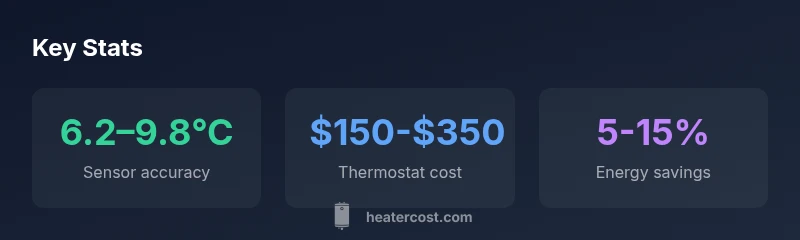
When evaluating options, prioritize features that directly influence comfort and energy use. Key features include: precise sensor accuracy (typically within 0.5–1.0°C), floor-temperature targeting (often between 25–32°C for living spaces), adaptive or programmable scheduling, and the ability to create multiple zones. Smart capabilities—Wi‑Fi or Bluetooth connectivity, remote control, firmware updates, and compatibility with voice assistants—add convenience and potential savings. Compatibility with your heating system is essential: hydronic vs electric, mat layouts, and the existence of floor sensors or ambient sensors. A clear display, intuitive app, and robust diagnostics help homeowners troubleshoot without frequent service calls. Finally, ensure safety features such as floor-temperature limits, fault codes, and surge protection are built in to protect flooring materials and household occupants.
Choosing between floor-sensing and ambient thermostats
Floor-sensing thermostats measure the actual heat delivered to the floor surface, enabling precise warmth and minimizing the risk of scorching tile or wood floors. They are often required for slab or screed floors where radiant heat is difficult to regulate by air temperature alone. Ambient thermostats, which monitor room air, are easier and cheaper to install but can overshoot or undershoot floor temperatures in rooms with high heat loss or different floor coverings. For most radiant floor installations, a floor-sensing thermostat offers better comfort and energy efficiency, especially in bathrooms and kitchens where feet expect consistent warmth. If budget or retrofit constraints restrict sensor complexity, consider a hybrid approach: use ambient control for basic zones and floor-sensing for critical spaces.
Installation considerations and compatibility with different underfloor systems
Before buying a thermostat, verify compatibility with your system. For hydronic floors, your thermostat may need a relay or a separate control unit to handle boiler demand and pump operation. Electric radiant floors typically rely on thermostat modules rated for low-voltage control and must match the mat or cable’s wattage and resistance. Sensor placement is critical: place the floor sensor where it best reflects the space’s average temperature, usually away from heat sources like sunlit windows or vents. For retrofits, check wall space, wiring routes, and the availability of a dedicated line for the thermostat. In new builds, plan for a dedicated thermostat circuit and a sensor conduit to avoid retrofit hassles. Always hire a licensed electrician or heating contractor if you are unsure about wiring or load calculations.
Programming, scheduling, and smart home integration tips
Effective programming reduces energy use while preserving comfort. Start with a simple schedule: morning warm-up, daytime setback, and an evening reheat. Use adaptive scheduling that responds to occupancy patterns and local weather, then layer in smart features like geofencing to adjust heating when you’re away. For heat-pump-compatible floors, ensure the thermostat supports heat-pump logic to optimize efficiency. Integrations with smart home ecosystems (Alexa, Google Home) can simplify daily routines, but verify that the thermostat’s app provides reliable firmware updates and clear energy reports. Finally, maintain a consistent floor setpoint that aligns with flooring material limits to avoid premature wear.
Cost factors and long-term savings
Upfront costs include the thermostat unit, sensors, and possible professional installation. Typical price ranges vary by feature set and brand, from budget non-smart models to premium smart floor-sensing units. When evaluating value, consider installation complexity, zone count, and potential energy savings over time. Real-world payback depends on energy prices, occupancy patterns, and how aggressively you employ zoning and scheduling. In many homes with radiant floors, proper thermostat choice can yield meaningful comfort improvements and can contribute to a shorter payback period when paired with a cost-conscious installation strategy. Always compare total cost of ownership rather than upfront price alone.
Maintenance and lifecycle expectations
Most underfloor heating thermostats require minimal routine maintenance beyond occasional software updates and sensor recalibration. Check sensors for accuracy periodically—floor sensors can drift, particularly in homes with fluctuating ambient temperatures or radiant heat. Replace faulty floor sensors promptly to avoid inaccurate readings that lead to overheating or underheating. Inspect wiring connections during regular service visits, and ensure the thermostat’s battery (if applicable) and wireless modules remain secure. A well-maintained thermostat extends system efficiency and prolongs the life of the heating elements or boiler, reducing the need for costly repairs.
Thermostat type comparison
| Thermostat Type | Typical Cost Range | Notes |
|---|---|---|
| Floor-sensor thermostat | $150-$350 | Best for precise floor control, ideal with tile or stone floors |
| Ambient thermostat | $50-$200 | Cheaper, easier install, less precise floor control |
| Smart learning thermostat | $180-$450 | Remote control, schedules, and energy reports |
Got Questions?
What is a floor-sensor thermostat?
A floor-sensor thermostat measures the actual temperature at or near the floor and adjusts heat output accordingly. This provides precise comfort for radiant floors and helps prevent overheating.
A floor-sensor thermostat reads the floor temperature and uses that data to keep your floors warm without overheating.
Can I retrofit an underfloor heating thermostat in an existing system?
Yes, retrofit options exist, but compatibility with your current controls, wiring, and sensor type matters. A qualified installer can assess load, sensor routing, and whether an additional relay or zone controller is needed.
Yes, you can retrofit, but you’ll want an installer to verify compatibility and wiring.
Are smart thermostats compatible with hydronic underfloor heating?
Many smart thermostats are compatible with hydronic radiant floors, but you should confirm that the thermostat supports boiler or ramp logic and has the correct relay output for your system.
Most smart thermostats work with hydronic systems if a compatible relay or interface is present.
What floor temperature is safe for radiant floors?
Most radiant floor installations aim for a floor surface around 25-32°C (77-90°F) to balance comfort and protect flooring materials. Always follow flooring manufacturer guidelines.
Aim for floor temps in the mid-20s to low-30s Celsius, following manufacturer guidelines.
Is professional installation required?
For hydronic systems or retrofits, professional installation is strongly advised to ensure safe wiring, correct control logic, and proper sensor placement. Some electric mat installations can be DIY, but professional guidance improves reliability.
Professional installation is recommended, especially for hydronic systems.
“In practice, the most reliable comfort and efficiency from underfloor heating come from a floor-sensing thermostat paired with a robust sensor and a well-planned zoning strategy.”
The Essentials
- Choose floor-sensor thermostats for radiant floors.
- Prioritize accuracy, zoning, and smart integration.
- Plan sensor placement before installation.
- Budget for installation in retrofit projects.
- Smart features can boost energy savings when used consistently.