Slipper Heaters: Foot Warmth, Safety, and Costs in 2026
Learn how slipper heaters work, compare models, estimate energy costs, and choose safe, efficient foot warmers for winter. A practical Heater Cost guide.


A slipper heater is a compact electric device designed to warm the feet, either embedded inside heated slippers or as a detachable insert. It targets foot warmth with low-wattage elements, prioritizing safety, comfort, and energy efficiency. For homeowners, a slipper heater offers a focused heat source that reduces the need to heat an entire room, especially during chilly mornings or desk work sessions.
What is a slipper heater?
A slipper heater is a compact electric device designed to deliver warmth directly to the feet. It can be embedded inside heated slippers or function as a removable insert that slides into your existing footwear. For many people, the value lies in targeted comfort: you feel the chill in your toes first, and only the feet need heat, not the entire house. In winter, this can reduce the energy spent on space heating while keeping feet warm during early mornings, long desk hours, or cozy couch evenings.
The best designs focus on three pillars: safety, comfort, and reliability. Safety means low-voltage operation, overheat protection, and a durable connection that minimizes pinch points. Comfort means a soft, breathable lining that won’t irritate skin, with even heat distribution so you don’t get hotspots. Reliability means sturdy construction, washable fabrics, and components rated for daily use. In the market, slipper heaters come in several form factors: built-in slippers with a heat element in the sole, removable insoles that convert ordinary slippers into warm footwear, and compact USB-powered pads that slip into any pair of shoes. According to Heater Cost, many users value quick warm-up, consistent temperature, and the ability to use the device in multiple rooms.
Buying guidance starts with sizing, material safety, and power source considerations, then moves to warranties and after-sales support. A thoughtful choice balances warmth with energy use and personal comfort preferences.
How slipper heaters work and design considerations
Slipper heaters rely on small, flexible heating elements—most commonly carbon fiber, nichrome, or ceramic composites—that convert electricity to heat with minimal bulk. The element is typically sandwiched between layers of fabric or integrated into a cushioned insole. A core design decision is whether heat is generated directly in the slipper or via a detachable insert. Direct heating usually provides quicker warmth and a compact footprint, while removable inserts offer compatibility with multiple footwear types.
Other design considerations include insulation to minimize heat loss, moisture resistance, and easy cleaning. Materials should be skin-friendly and machine-washable where possible. Power sources vary: some models plug into wall outlets, others run on rechargeable batteries, and USB-powered pads rely on a computer or power bank. Temperature control ranges differ by model but generally cover low to moderate warmth with auto-safety cutoffs. Cord management and anti-slip soles reduce tugging and movement that could irritate the foot. Finally, energy efficiency is about more than wattage; it includes thermal insulation, heat-retention, and user habits (such as wearing socks to help retain heat).
Energy costs and efficiency: what homeowners should know
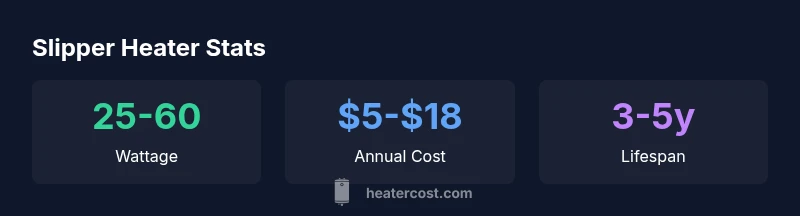
Energy efficiency for slipper heaters hinges on wattage, insulation, and usage patterns. On average, slipper heaters operate within the 25-60 watt range per unit. Even at higher settings, the energy required to heat the feet is modest compared with room heaters because warmth is localized. Based on Heater Cost Analysis, 2026, yearly costs per pair typically fall in the low tens of dollars range, reflecting electricity rates and how often warmth is used. Consumers can optimize costs by choosing models with temperature limits or auto shutoff, pairing heat with wearing socks, and using them in rooms with moderate ambient warmth rather than in drafty spaces. Real-world results vary by climate, home insulation, and electricity pricing, but the core message is clear: targeted warmth can be affordable when managed responsibly.
Safety and maintenance best practices
Safety is the cornerstone of slipper heater design and usage. Look for certifications such as UL or equivalent safety marks and ensure the device has auto shutoff, overheat protection, and a robust, insulated power connection. Regular inspection of cords or battery packs helps prevent shocks or short circuits. Cleaning should follow the manufacturer’s instructions to avoid moisture intrusion into heating elements. Store devices in a dry place, away from direct heat sources, and avoid using them while sleeping or when the feet are wet. If the device shows signs of wear, fraying fabrics, or abnormal heat, discontinue use. A proactive maintenance plan—checking seals, fabric integrity, and battery health—extends lifespan and preserves safe operation.
Buying guide: features that matter
When shopping for a slipper heater, prioritize: (1) safety features: auto shutoff, overheat protection, moisture resistance; (2) heat control: adjustable temperatures and clear indicators; (3) power source: plug-in, battery, or USB, depending on lifestyle; (4) materials: skin-friendly, washable fabrics, and durable inserts; (5) maintenance: easy cleaning and reliable replacement parts; (6) warranty and customer support. Consider size compatibility with your footwear, the likelihood of wearing socks, and how portable you need the device to be. Reading user reviews about heat consistency and durability can provide practical insights beyond manufacturer specs.
Real-world usage scenarios and value proposition
Many homeowners find slipper heaters most valuable during transitional seasons or in rooms where central heating is inconsistent. A typical scenario includes a chilly morning when you want warmth without warming the entire living space. In homes with drafty floors or poorly insulated rooms, targeted warmth can significantly improve comfort while helping reduce total energy use. If you frequently use desk setups, consider models that fit into your desk shoes and recharge quickly between sessions. For families, shared devices with washable covers and easy cleaning help maintain hygiene and convenience across multiple pairs of footwear.
Common myths and misconceptions about slipper heaters
Myth: Slipper heaters are unsafe for daily use. Reality: Reputable models with auto shutoff and certified circuits are designed for daily use when operated as directed. Myth: They will heat rooms as efficiently as space heaters. Reality: They heat feet selectively, not rooms, and should complement central heating for best efficiency. Myth: All heated slippers are bulky and uncomfortable. Reality: Modern designs emphasize slim, flexible elements that fit inside regular footwear without sacrificing comfort.
Comparison of slipper heater types
| Model Type | Typical Wattage (W) | Estimated Cost per Year | Pros |
|---|---|---|---|
| Standalone slipper heater (built-in) | 25-60 | 5-18 | Compact warmth; easy to wear |
| Heated slipper liners (insulated footbeds) | 15-40 | 2-10 | Inserts into existing slippers; versatile |
| Electric heated slippers (battery/USB) | 30-70 | 3-12 | Cordless; portable; flexible use |
Got Questions?
What is a slipper heater?
A slipper heater is a compact electric device designed to warm the feet, either built into heated slippers or as a detachable insert. It concentrates warmth to the feet, offering comfort without heating the entire room.
A slipper heater is a small device that warms your feet, either inside slippers or as an insert you can add to regular slippers.
Are slipper heaters safe to use overnight?
Most models are not intended for overnight use. Look for auto shutoff and low-voltage designs, and avoid sleeping with heated footwear unless the product explicitly supports it.
Most slippers aren’t meant to be used all night; check for auto shutoff and follow the product’s care instructions.
What features should I look for when buying a slipper heater?
Prioritize safety features (auto shutoff, overheat protection), temperature control, ease of cleaning, durable materials, and the type of power source. Consider warranty and customer support for long-term value.
Look for safety features, good temperature control, easy cleaning, and a solid warranty.
Can slipper heaters save energy compared to room heaters?
Yes, because warmth is focused on the feet, slipper heaters generally use less energy than heating an entire room. Savings depend on climate, usage, and electricity rates.
They can save energy by heating only your feet instead of the whole room.
What maintenance is needed for slipper heaters?
Keep devices dry, inspect cords regularly, wash fabric per care labels, and replace batteries or components as advised by the manufacturer. Avoid harsh cleaners on heating elements.
Keep them dry, check the cords, and follow care instructions for cleaning.
“Slipper heaters are most effective when they target the feet and are equipped with reliable safety features; prioritize certifications and automatic shutoff.”
The Essentials
- Choose targeted warmth to optimize energy use
- Prioritize safety features and certifications
- Compare wattage and heat controls before buying
- Select a model that fits your footwear and lifestyle
- Maintain devices to extend lifespan