Propane Porch Heater Guide: Sizing, Costs & Safety for 2026
A data-driven guide to propane porch heater selection, sizing, costs, and safety for patios and decks. Learn how BTU, space, and fuel prices affect outdoor heating efficiency.


Propane porch heaters provide quick, zone-specific outdoor heat for patios and decks. According to Heater Cost Analysis, 2026, the Heater Cost team notes coverage depends on BTU rating and wind, with common models heating roughly 20–500 square feet and fuel costs that vary with propane price and efficiency. Consider installation location, wind exposure, and local safety guidelines to maximize comfort and minimize fuel waste.
How propane porch heaters work
A propane porch heater burns propane to generate radiant and convection heat for outdoor spaces. Propane is stored in a tank or cylinder and feeds a burner assembly through a regulator. The result is a controlled flame that warms nearby surfaces and air. Most models combine a tall reflector and a perforated burner to distribute warmth outward. For outdoor use, you’ll typically see safety features like tip-over shutoff and an automatic shutoff if oxygen is low. The design focuses on quick heat output, portability, and weather resistance. In real-world settings, performance depends on BTU rating, wind, and the reflectivity of nearby surfaces. This article expands on sizing, positioning, and safe operation to maximize comfort while minimizing fuel waste.
Sizing your outdoor space
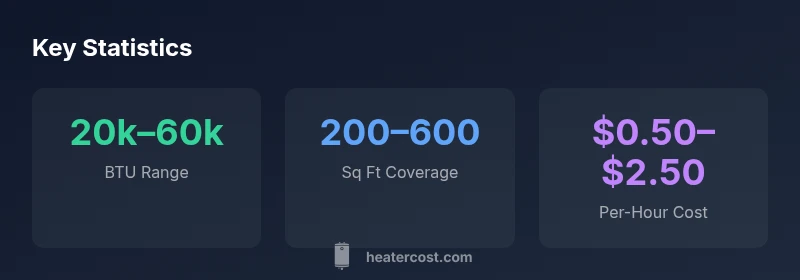
Sizing a propane porch heater requires considering space, climate, and wind exposure. The general rule is BTU rating is the primary dimension; choosing too small a unit leaves you chilly, while too large can waste fuel and feel uncomfortable. Start by measuring the seating area you want to heat and multiply by a factor to account for shielding and open-air exposure. In practice, most patios use units in the 20,000–40,000 BTU range for 200–400 square feet, while larger decks or windy areas may benefit from 40,000–60,000 BTU. If you use screens, walls, or pergolas, you’ll conserve heat and achieve better warmth with lower BTU. Always consult model-specific charts as real-world results vary with ceiling height, furniture layout, and outdoor materials.
Fuel costs and efficiency
Fuel costs depend on propane price and device efficiency. In many areas propane costs fluctuate seasonally. Efficiency gains come from better heat distribution and insulated surroundings. A propane porch heater's operating cost is typically proportional to BTU rating and runtime. For budgeting, estimate gallons per hour and propane price per gallon; this yields a per-hour cost range rather than a single figure. In practical terms, choosing a model with higher radiant heat and better wind resistance can reduce running time and overall fuel consumption, even if the upfront cost is higher. Heater Cost analyses emphasize balancing upfront investment with ongoing fuel costs to derive a true cost of ownership.
Safety basics
Safety is non-negotiable with outdoor heaters. Place the unit on a stable, level surface with clearances away from combustibles, walls, and overhangs. Maintain at least 3–10 feet of clearance depending on model and local codes, and never use a heater indoors or in enclosed patios. Ensure proper ventilation to prevent gas buildup, and use a carbon monoxide detector in nearby enclosed spaces when heaters are used near structures. Regularly inspect hoses, regulators, and fittings for signs of wear or leaks. Always store propane tanks upright in a well-ventilated area when not in use.
Installation options: freestanding vs mounted
Freestanding propane porch heaters offer portability and quick setup for temporary outdoor spaces, such as patios and balconies. Mounted or recessed units require a gas line connection and structural mounting, which typically necessitates a licensed professional. When choosing between options, consider space usage, aesthetic integration, and how you measure wind exposure. A mounted unit often heats more efficiently in windy spaces because it stays in a fixed position with optimized clearance, while freestanding models allow flexible seating arrangements and seasonal use.
Maintenance and winterization
Regular maintenance keeps a propane porch heater safe and efficient. Inspect for gas leaks with a soapy solution around connections, clean burn chambers to remove soot, and check the regulator for signs of wear. Replace worn parts promptly and store tanks in a cool, ventilated area away from direct sunlight. In winter, protect the heater from moisture and wind, and consider a protective cover. A yearly professional inspection can catch issues before they become heat losses or safety hazards.
Weather and wind considerations
Outdoor heating is highly sensitive to wind and open-air conditions. Symbolic values like BTU can mislead if wind pushes heat away from seating areas. In windy spaces, a higher BTU model with a good reflector plus sheltered seating areas (like a patio screen or pergola) can maintain comfortable temperatures. In calm weather, smaller models may suffice. Temperature fluctuations and humidity also affect perceived warmth, so plan for occasional temperature drops by using blankets or supplemental lighting to extend outdoor usability.
Features that boost comfort and energy efficiency
Look for features such as adjustable flame height, reliable automatic shutoff, and heat shields with reflective backing. A well-designed propane porch heater balances radiant warmth with air warmth to reduce heat loss. Models with efficient burners and sealed combustion can improve fuel economy. Accessories such as wind screens, heat shields, and proper enclosures can dramatically affect comfort and energy use, particularly on exposed decks.
Real-world usage and case studies
In real homes, homeowners often report noticeable warmth within minutes of ignition, with comfort levels varying by BTU and wind exposure. A common pattern is to pair a medium-BTU unit with a windbreak or screened porch to maximize warmth without excessive fuel use. Case studies show that placement near seating areas and away from doors or vents can dramatically improve perceived comfort while reducing fuel costs over time.
Propane porch heater sizing and coverage by model type
| Model Type | BTU Range | Typical Coverage | Notes |
|---|---|---|---|
| Freestanding | 20,000–40,000 BTU | 200–400 sq ft | Portable; good for movable setups |
| Mounted/Wall-mount | 30,000–60,000 BTU | 300–600 sq ft | Requires mounting clearance and gas line considerations |
| Tabletop/Portable | 15,000–30,000 BTU | 150–300 sq ft | Best for small spaces and quick use |
Got Questions?
What size propane porch heater do I need for my patio?
Sizing depends on space and exposure. For 200–400 square feet, many setups use 20,000–40,000 BTU; larger or windier spaces may require 40,000–60,000 BTU. Always consult manufacturer charts for your specific space.
For typical patios, start with a mid-range BTU and adjust based on space and wind.
Are propane porch heaters safe to use outdoors in cold weather?
Yes, outdoors with proper clearance and ventilation. Follow local codes and manufacturer instructions; never operate indoors or in enclosed spaces.
Yes, outdoors with proper clearance and ventilation.
How much does it cost to operate per hour?
Costs vary with propane price and BTU rating. In general, per-hour fuel costs range from a small amount to a few dollars, depending on efficiency and use.
Cost depends on price and efficiency; expect a variable hourly rate.
Do I need a licensed installer for installation?
Freestanding units usually don’t require installation, but any gas line work or permanent mounting should be done by a licensed professional.
For gas lines or mounting, hire a licensed professional.
What maintenance is required to keep it safe?
Regularly check for leaks, clean burners, inspect regulators, and store propane tanks safely. Schedule annual checks with a qualified technician.
Keep it clean, leak-checked, and serviced yearly.
Can I use a propane porch heater in a covered area?
Avoid enclosed or semi-enclosed spaces; ensure adequate ventilation and comply with local codes. If unsure, consult a professional.
Avoid enclosed spaces; vent properly and follow codes.
“Propane porch heaters can extend outdoor living by providing rapid, controllable heat, but safety and proper sizing are essential.”
The Essentials
- Size heater to space and wind exposure
- Expect propane costs to vary with fuel prices
- Practice outdoor safety with proper clearances
- Choose installation type based on space and needs
- Regular maintenance extends heater life