How to Make a Waste Oil Heater: Safer Alternatives and Steps
Discover why DIY waste oil heater projects are risky and learn safe, certified options, installation steps, and ongoing maintenance to heat your space responsibly.


According to Heater Cost, attempting to fabricate a waste oil heater at home is risky and often non-compliant with local codes. This quick guide directs readers toward safe, certified options and professional installation. You’ll learn why DIY builds pose fire and emission hazards, what safer alternatives exist, and how to plan a compliant heating solution for your space.
Understanding the concept of waste oil heaters
Waste oil heaters are devices designed to burn used lubricating oils and certain other waste oils to generate heat for spaces like workshops or garages. They typically rely on a dedicated burner, a controlled fuel feed, an air intake system, and a venting path to exhaust combustion byproducts outdoors. While the idea of a DIY solution might be appealing, it’s important to understand that safe, effective operation requires precise fuel handling, combustion control, and vent integrity. This section explains the general principles behind how waste oil heaters function and why many DIY attempts fail to meet safety and regulatory standards. It also clarifies that the safest path for most households is a certified, properly installed system rather than attempting to assemble a heater from improvised parts. Throughout this guide, you’ll see references to regulatory compliance, venting best practices, and long-term reliability—all critical for safe heat.
block
Tools & Materials
- CO detector(Install on every occupied level, near the heater area)
- Fire extinguisher(ABC-rated, kept within easy reach of the installation area)
- Ventilation assessment tool(Used by a professional to evaluate exhaust paths)
- UL-listed waste oil burner/heater(Certified model designed for waste oil combustion)
- Permits(Local building and fire permits as required)
- PPE kit(Goggles, gloves, flame-resistant clothing)
Steps
Estimated time: 2-6 weeks
- 1
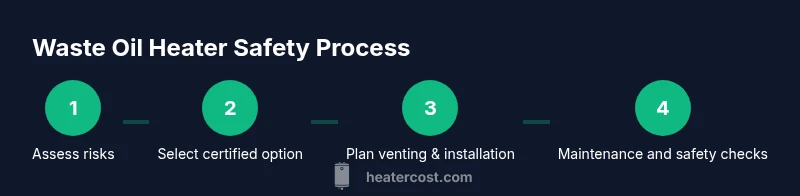
Assess regulatory and safety risks
Begin by researching local codes, permit requirements, and venting standards. Identify whether a DIY approach is allowed and what professional processes are mandatory in your area. Understanding these constraints early helps prevent costly delays and safety gaps.
Tip: Consult your local building department before purchasing any components. - 2
Evaluate safety risks of a DIY approach
Assess the potential hazards of fabricating and operating a waste oil heater without professional input. Consider fire risk, carbon monoxide exposure, fuel contamination, and unreliable venting that could harm occupants and neighbors. If in doubt, abandon DIY plans.
Tip: If the facility lacks proper ventilation, do not proceed with any DIY plans. - 3
Select a certified system
Choose a heater or burner that is certified for waste oil use and listed for the intended application (residential or commercial). Verify venting compatibility, safety shutoffs, and maintenance documentation from the manufacturer. Avoid improvised burners or non-listed components.
Tip: Look for clear certification marks and manufacturer guidelines before purchasing. - 4
Plan venting and fuel handling
Work with a professional to design an exhaust route that safely directs combustion byproducts outdoors, with appropriate clearances and draft controls. Establish clean, traceable fuel handling practices and storage to minimize spills and environmental impact.
Tip: Do not repurpose non-certified vent paths or reuse improvised piping. - 5
Hire a licensed professional for installation
Engage a licensed HVAC or boiler installer to perform the installation, ensure code compliance, and confirm proper commissioning. A pro will verify vent integrity, set up detectors, and provide a safety briefing and warranty.
Tip: Request a written plan with permit numbers, inspection checkpoints, and warranty terms. - 6
Schedule ongoing maintenance and safety checks
Establish a maintenance schedule with a qualified technician, including burner inspection, fuel quality checks, vent cleaning, and detector testing. Regular service helps prevent emissions issues and extends equipment life.
Tip: Set reminders for annual inspections and keep a log of service visits.
Got Questions?
Is it safe to build a waste oil heater at home?
No. DIY waste oil heater builds pose significant fire, emission, and legal risks. Certified equipment and professional installation offer safer, compliant heating.
No—building a waste oil heater at home is risky and not recommended due to fire and emission hazards.
What regulations apply to waste oil heaters?
Regulations vary by region but typically require approved burners, proper venting, safety controls, and licensed installation. Always verify with your local building and fire authorities.
Regulations depend on your area, but usually include certified equipment, venting, and licensed installation.
Are there certified waste oil burners available?
Yes. There are certified waste oil burners designed for safe operation with appropriate venting and safety features. Verify listings and documentation before purchase.
Yes, certified burners exist. Look for listings from recognized safety authorities and manufacturer documentation.
What maintenance is required for waste oil heaters?
Regular inspections of the burner, fuel lines, and exhaust system are essential, along with detector checks and routine cleaning. Follow a supplier-approved maintenance schedule.
Regular inspections and scheduled maintenance are essential for safe operation.
Can waste oil heaters be used in apartments?
Residential apartments with proper space and venting may use certified units, but local codes often restrict fuel-burning appliances. Check with building management and authorities.
It depends on local codes; many places restrict fuel-burning heaters in apartments.
What costs are typical for certified solutions and installation?
Costs vary widely based on capacity, features, and labor. Obtain written quotes and compare equipment, venting, and service terms to gauge value and long-term safety.
Costs vary; get multiple quotes and focus on safety and warranty terms.
Watch Video
The Essentials
- Avoid DIY waste oil heater fabrication due to safety and legal risks
- Choose certified heaters with proper venting and professional installation
- Prioritize regular maintenance and safety checks
- Expect costs to vary and obtain formal quotes from licensed pros