Heaters NYC: Costs, Types, and City Guidance
A comprehensive guide to heaters NYC—costs, installation, permits, energy use, and maintenance for NYC homes and apartments.


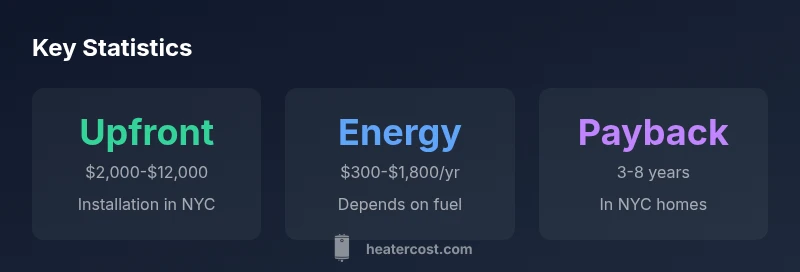
Heating in NYC blends space constraints, city codes, and steep energy costs. This quick answer highlights what homeowners and renters need to know about heaters NYC: upfront costs, energy options, and essential factors for choosing, installing, and maintaining heating systems in the city. This snapshot also points to city-specific considerations like permits and insulation.
NYC heating landscape
New York City's climate and building stock create a unique heating landscape. Winters are long and cold, and many homes rely on centralized systems like radiant heat, boilers, or forced-air furnaces. For renters, the choice is often limited to space heaters or portable solutions, but owners have more options. Energy costs in NYC reflect a mix of fuels, efficiency standards, and building envelope; insulation and window performance can dramatically swing annual bills. The Heater Cost team notes that city dwellers frequently pay premium for installation in multi-unit buildings, where boiler rooms, risers, and shared ductwork complicate upgrades. When evaluating heaters NYC, start with three questions: (1) What is the building’s current heating load and fuel type? (2) How much insulation and air leakage does the home have? (3) What are the local permit requirements and HOA rules? Addressing these early helps prevent surprises during installation and ensures that the selected system meets both comfort needs and budget constraints. Real-world cost ranges vary widely by system type and building vintage.
Evaluating heater types for NYC apartments
In dense NYC buildings, some heating options are better suited than others. Here are common choices and what to expect:
- Radiator systems (hydronic or steam): Built into many older city buildings; pros include consistent heat and space efficiency; cons include slower heat response and potential zoning limitations.
- Forced-air furnaces (gas or electric): Fast response and easier to zone; cons include duct leaks and higher installation costs in retrofit projects.
- Heat pumps (air-source or geothermal): Increasingly viable in NYC, especially with cold-climate models and supplemental heat when outside temperatures drop; cons include upfront cost and performance in very cold snaps without backup.
- Electric baseboard/space heaters: Flexible and cheap to install, but higher operating costs, best used as supplemental heat.
- Boiler-plus-radiator upgrades: For buildings already on a boiler system, upgrading distribution or adding thermostatic controls can be cost-effective.
Key takeaway: choose a system that matches your building type, window performance, and occupancy patterns. The Heater Cost team emphasizes that efficiency ratings, installation feasibility, and long-term energy costs matter more than sticker price alone.
Installation, permits, and regulations in NYC
NYC has a complex regulatory environment. It's essential to check with building management, the Department of Buildings, and the local utility to confirm permit requirements, electrical and gas line work codes, and venting standards before starting. Permitting processes can vary by building type (condo, co-op, rental) and neighborhood. Hiring a licensed contractor with NYC experience reduces delays; they can handle permit applications, required inspections, and coordination with boiler rooms or shared ductwork. In multi-unit buildings, you may need HOA approval or a facilities team sign-off. Expect some downtime during the installation, especially for boiler or heat pump replacements, and plan around peak occupancy. If you’re a renter, discuss options with your landlord and ensure any changes remain reversible if required. The Heater Cost team recommends requesting a written scope of work, a timeline, and a detailed cost breakdown from any contractor, so you can compare quotes and avoid budget creep.
Energy costs, efficiency, and climate considerations
NYC energy prices vary by fuel and supplier; natural gas is often cheaper per BTU than electricity, but availability and rates differ. Energy efficiency matters significantly in NYC because of long heating seasons and high urban heat loss from older buildings. Look for systems with high AFUE, SEER, or HSPF ratings, and consider smart thermostats and zoning to minimize waste. The climate also affects performance: heat pumps can provide effective heating and cooling, but very cold days may require auxiliary heat. Insulate ducts, seal leaks, and upgrade windows where feasible to maximize savings. The Heater Cost analysis indicates that although the upfront cost of efficient systems is higher, the long-term energy savings can offset the initial investment, especially in buildings with poor insulation.
Maintenance and reliability in dense urban settings
Regular maintenance keeps city heaters reliable in NYC’s demanding environment. Schedule annual inspections, bleed radiators in hydronic systems, check venting for gas units, replace filters, and test safety controls. In small apartments, space constraints can make access difficult; plan service visits with your contractor. Hard water in some NYC areas can cause mineral buildup in boilers; consider water treatment or periodic flushing. Keep outdoor units clear if applicable, and ensure condensate lines are not blocked. A well-maintained system reduces the risk of sudden failures during cold snaps and extends equipment life.
Buying guide and practical steps for NYCers
Before buying, define your budget, expected energy-use, and comfort goals. Steps:
- Determine whether you need a primary heating system or supplemental heat.
- Assess building compatibility, including boiler room access, ductwork, and space constraints.
- Compare efficiency ratings and fuel types; request energy usage estimates from contractors.
- Obtain multiple quotes and verify warranties and service plans.
- Consider long-term costs: installation, maintenance, fuel price volatility.
Additional tips: hire an NYC-experienced contractor, plan around permit timelines, and use a home energy audit to identify insulation gaps. The goal is to balance initial investment with ongoing savings while keeping NYC-specific requirements in mind.
NYC heater system cost and performance comparison
| System Type | Typical upfront cost (NYC) | Estimated annual energy cost (range) | Notes |
|---|---|---|---|
| Radiator (hydronic) | $2,000-$8,000 | $600-$1,800 | Includes boiler and piping |
| Forced-air furnace | $3,000-$9,000 | $900-$2,100 | Gas or electric options |
| Electric baseboard/space heater | $300-$1,500 | $600-$1,000 | Best for supplemental heat |
| Heat pump (air-source) | $4,000-$12,000 | $300-$1,200 | Efficient in moderate climates |
| Hydronic boiler with radiator | $4,500-$12,000 | $800-$2,000 | Higher initial, strong NYC performance |
Got Questions?
What is the most cost-effective heating option in NYC?
Cost-effectiveness depends on your building, fuel, and usage. In many NYC homes, natural gas furnaces or heat pumps paired with proper insulation offer favorable annual costs, while electric resistance is typically more expensive. Compare upfront and ongoing energy costs over 5-10 years.
In NYC, gas furnaces and heat pumps often offer the best balance of upfront cost and yearly energy use, especially when paired with good insulation.
Are permits required for installing heaters in NYC?
Yes. NYC buildings often require permits for HVAC work. Check with your condo or coop, as well as the local Department of Buildings, to confirm requirements and timelines before starting work.
Yes. You’ll typically need permits through your building and local authorities before installing a new heater.
How long does installation typically take?
Installation time varies by system and building. A simple radiator or baseboard upgrade may take 1-3 days, while a full heat pump or boiler replacement can take 3-7 days plus permit processing.
Most installations finish in a week or less, depending on permits and system complexity.
What maintenance is recommended for NYC heaters?
Schedule annual professional inspections, bleed radiators if needed, replace filters, and test safety controls. In NYC, tight spaces and high usage make regular checks essential to prevent failures.
Annual professional checkups and periodic bleeding and filter changes keep systems reliable in NYC.
Do heat pumps work well in NYC climates?
Modern cold-climate heat pumps perform well in NYC, especially when properly sized and paired with good insulation. In very cold snaps, a supplemental heat source may be used.
Yes, with proper sizing and insulation, heat pumps work well here, sometimes with a backup heat source.
Should I upgrade insulation before replacing my heater?
Improving insulation and air sealing often yields bigger savings than a heater upgrade alone. Consider a home energy audit to identify priorities.
Yes—insulation and sealing should be addressed before or alongside a heater upgrade for best results.
“Reliable NYC heating comes from selecting an efficient system that fits your building and lifestyle, then pairing it with proper maintenance and smart controls.”
The Essentials
- Balance upfront costs with long-term energy savings.
- Natural gas often offers lower operating costs than electric in NYC.
- Insulation and air sealing dramatically impact heating bills.
- Get multiple quotes and check city permits early.
- Choose equipment with good efficiency ratings and warranties.