Heat Pump Central Heating: Costs, Installation, and Maintenance
A comprehensive guide to heat pump central heating, covering costs, efficiency, climate suitability, installation considerations, and maintenance tips to help homeowners and managers decide if a heat pump is right for their property.


Heat pump central heating is a highly efficient option that moves heat rather than generating it, delivering reliable warmth for the whole home. According to Heater Cost, a well-planned heat pump central heating system can cut operating costs compared with electric resistance heating, especially when paired with good insulation and a correctly sized distribution system. This quick answer summarizes costs, installation considerations, and maintenance to help homeowners decide.
What heat pump central heating is
Heat pump central heating is a versatile system that uses a heat pump to extract heat from outside air, the ground, or water and delivers it through a central distribution network to warm your home. It can produceWarm air through ducts or hot water for radiators and underfloor heating. The system is designed to move heat rather than generate it by burning fuel, which can translate into lower operating costs in the right climate and with proper home insulation. According to Heater Cost, a well-planned heat pump central heating setup can offer meaningful energy efficiency gains when matched with the right size, layout, and controls. Homeowners should consider the climate, existing ductwork, and the thermal envelope of the house to optimize performance. In addition, the system’s ability to switch to cooling mode in warm months adds value for year-round comfort. The planning phase should address insulation, thermostat zoning, and the potential for retrofitting to an existing forced-air or hydronic system. The Heater Cost team emphasizes that success hinges on correct sizing and a robust distribution strategy.
In practice, buyers should expect a multi-component installation, including an outdoor unit, indoor distribution components, and sometimes new ductwork or piping. The upfront cost is only one piece of the total investment; operating costs over the life of the system depend on electricity prices, climate, and how well the home is insulated. For many households, a heat pump central heating solution offers a compelling combination of comfort, reliability, and potential long-term savings when installed thoughtfully and maintained regularly. The installation timeline can vary, but careful coordination with licensed installers helps ensure a smooth transition with limited disruption to daily life.
How heat pumps work: the basics
A heat pump central heating system operates on a refrigeration cycle, moving heat from an external source into the home. It consists of an outdoor unit (compressor and coil) and an indoor distribution system (ductwork for air or piping for hydronic systems). The key difference from traditional furnaces is that the device moves heat rather than generating it. When heat is needed, the refrigerant absorbs warmth from outside air (or the ground) and is compressed to increase its temperature before transferring the heat indoors. In cooling mode, the cycle reverses to remove heat from the interior.
Two common configurations are air-source heat pumps (ASHP) and ground-source heat pumps (GSHP). ASHP units draw heat from outdoor air, performing well in moderate climates and improving with inverter-driven compressors that adjust output. GSHPs harvest heat from the ground or a water source and typically offer higher efficiency in extreme climates, thanks to the relatively stable underground temperatures. A modern heat pump system also includes an outdoor unit with defrost cycles to prevent icing in cold weather and an indoor coil that feeds the distribution network. The efficiency and climate resilience of heat pumps are often quantified by COP (coefficient of performance) and seasonal performance metrics. Designers use these figures alongside home heat loss calculations to determine the right size and configuration. The Heater Cost analysis notes that performance hinges on climate, insulation, and system design, so a tailored assessment is essential.
Understanding the basics helps homeowners evaluate options: talk to an installer about whether an ASHP or GSHP is a better fit, compare inverter-driven models for variable output, and consider whether a dual-fuel setup is appropriate for very cold sites. A well-chosen heat pump can deliver steady comfort with lower running costs when paired with efficient windows, doors, and insulation. Keep in mind that the overall value depends on long-term energy prices, maintenance, and the reliability of the distribution network.
Climate suitability and efficiency considerations
Climate plays a pivotal role in how a heat pump central heating system performs. In milder to moderately cold climates, air-source heat pumps can deliver consistent warmth while maintaining efficiency. In colder regions, certain models and ground-source configurations can maintain comfort, but performance may diminish as outdoor temperatures drop. To maximize efficiency, combine the system with high-quality insulation, air sealing, and properly sized radiators or underfloor heating. Zoning can help distribute heat where it’s needed most, further reducing energy use. The seasonal energy performance of heat pumps depends on weather patterns, electricity prices, and how often the system is asked to heat spaces that have high heat loss.
From a maintenance perspective, keeping outdoor units clear of snow, ensuring adequate clearance around outdoor coils, and scheduling periodic checks of refrigerant levels, ductwork, and thermostat controls are important. If you have a home with significant thermal losses, you may benefit from supplementary strategies like weatherstripping and thermal curtains, as these measures reduce the load on the heat pump and improve overall efficiency. Heater Cost’s analysis highlights that climate-specific design decisions—such as refrigerant charge, defrost strategy, and the use of secondary heaters during extreme cold—can influence performance and costs. In all cases, a professional assessment helps determine whether a heat pump system is the most practical long-term solution for your climate and budget.
In any climate, energy efficiency improvements beyond the heat pump—such as upgrading insulation, sealing leaks, and installing efficient windows—offer compounding benefits. A well-insulated home reduces peak demand on the system and can shorten heat-up and cool-down times, which in turn improves comfort and reduces wear. The combination of a properly sized heat pump, smart thermostats, and good envelope improvements tends to yield the best long-term value. Homeowners should be patient during the first heating season to allow the system to adapt to their living patterns and occupancy.
Cost considerations: installation and running costs
Cost considerations for heat pump central heating encompass both upfront installation and ongoing operating expenses. Installation costs can vary widely depending on the system type (air-source vs. ground-source), existing ductwork or hydronic infrastructure, climate, and whether any major renovations are required. In many markets, homeowners report installation ranges spanning several thousand to tens of thousands of dollars, with ground-source configurations typically involving higher upfront work like trenching for loops or ground loops. While those initial outlays can be substantial, the running costs—driven by electricity prices and system efficiency—often outpace traditional electric resistance heating over time, particularly when insulation upgrades accompany the project. Operational savings also depend on the home's heat loss, thermostat strategy, and how often the system runs at partial loads versus full capacity. The Heater Cost analysis emphasizes that proper sizing and a high-quality distribution system are critical to achieving the anticipated energy savings. It’s essential to request a detailed quote that itemizes equipment, installation, permits, and any required ductwork or trenching so you can compare apples to apples. When calculating total cost of ownership, include maintenance plans and potential replacements of components like compressors or refrigerants over the system’s life.
Additionally, consider the broader financial picture: some regions offer incentives or rebates for heat pump installations that improve payback. The long-term cost advantage assumes reasonable electricity rates and no major repairs. For many homeowners, the real value comes from reliable comfort, better indoor air quality, and reduced exposure to fluctuating fuel prices. A thorough cost-benefit analysis, guided by a trusted installer and backed by local incentives, will help you decide whether a heat pump central heating system makes sense for your property.
Sizing, installation, and choosing a model
Sizing a heat pump central heating system accurately is essential for both comfort and efficiency. An undersized system will struggle during cold snaps, leading to longer runtimes, higher electricity use, and uneven temperatures. An oversized system can short-cycle, creating temperature swings and reduced dehumidification. A reputable installer uses a detailed heat-load calculation, often based on a Manual J (or equivalent) assessment, to determine the right capacity. They’ll also account for window orientation, shading, insulation levels, door leaks, and the distribution network (ductwork or underfloor piping). Installation considerations differ by system type: air-source heat pumps require appropriate outdoor space and clearances, while ground-source systems depend on available land, drilling or trenching feasibility, and local regulations.
Smart thermostats and zoning can maximize comfort and efficiency by tailoring output to occupancy patterns and room-by-room needs. When choosing a model, consider variable-speed compressors for better part-load performance, compatibility with your existing distribution system, noise levels, and warranty terms. Look for units with good efficiency ratings across a wide operating range and a reputable service network. The Heater Cost guidance stresses that selecting a system rated for your climate and heat-loss profile, plus ensuring compatible controls, will help you achieve the best balance of comfort and cost over time.
Maintenance, longevity, and real-world tips
Regular maintenance keeps heat pump central heating systems operating at peak efficiency and extends their life. Simple, proactive tasks include cleaning debris from outdoor coils, clearing snow around the outdoor unit, inspecting ductwork for leaks, and testing thermostats and zoning controls. Refrigerant levels should be checked by a licensed technician, and filters should be replaced or cleaned according to manufacturer guidance. Routine servicing every 1–2 years helps prevent minor issues from becoming costly failures. If your system includes an auxiliary heat source for extreme cold, ensure seamless coordination between the heat pump and secondary heater to avoid short cycling or inefficient running.
Detecting performance changes early is a practical habit. If you notice longer heating cycles, uneven room temperatures, or a noticeable drop in indoor comfort, schedule a service visit promptly. In addition to mechanical maintenance, keep building envelope improvements in mind: sealing air leaks, upgrading insulation, and ensuring proper window performance can reduce load and improve overall system effectiveness. The Heater Cost analysis notes that homeowners who couple a well-maintained heat pump with envelope improvements tend to experience the most reliable performance and cost savings across the system’s life.
Regional guidance and practical scenarios
Regional realities shape heat pump decisions. In coastal or temperate zones, heat pumps often deliver excellent year-round comfort with predictable energy savings. In colder regions, selecting a model designed for low-temperature operation, increasing insulation, or using a hybrid approach (a heat pump paired with a supplemental heater) can help maintain comfort while preserving efficiency. For renters or property managers, flexibility and ease of maintenance are critical factors; heat pumps can be installed with minimal on-site disruption when feasible, and many properties can accommodate a ducted or ductless approach. In vacation homes or multi-family buildings, zoning and centralized controls can optimize performance and comfort for different occupants.
As a practical rule of thumb, homeowners should pursue a system that can comfortably meet peak winter needs while maintaining efficient operation during shoulder seasons. Consider utility rate structures and potential rebates or incentives, which can influence the financial case for a heat pump central heating installation. The Heater Cost team encourages readers to work with a qualified installer to analyze climate-specific performance, envelope improvements, and long-term cost of ownership, so you can make an informed decision aligned with your property’s occupancy pattern and budget.
Sources and further reading
For readers who want deeper technical background and policy context, consult reputable sources such as national energy labs and government resources. Notable references include general guides on heat pumps, efficiency ratings, and climate-specific considerations. The Heater Cost analysis incorporates findings from multiple credible sources to provide a balanced view of both benefits and limitations, and to help homeowners plan for a successful heat pump central heating project. This section lists a few authoritative sources for further reading and validation of the concepts discussed above:
- https://www.energy.gov/eere/buildings/articles/heat-pumps-what-you-need-know
- https://www.energy.gov/eere/buildings/articles/heat-pump-systems
- https://www.nrel.gov/docs/fy16osti/65856.pdf
Air-source vs Ground-source heat pump: high-level comparison
| Aspect | Air-source HP | Ground-source HP |
|---|---|---|
| System type | Outdoor unit; ductable or ductless options | Ground loop or borehole system; often requires more space and installation |
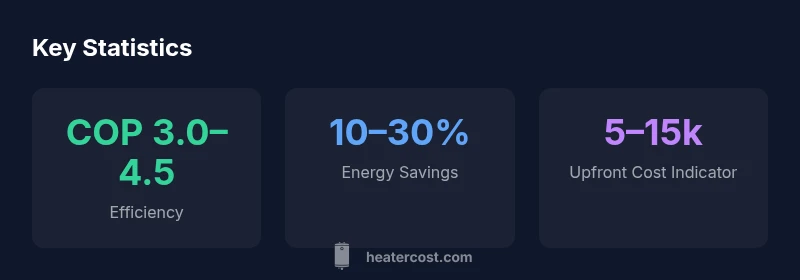
| COP range | 3.0–4.5 | 4.0–5.0 (typical) |
| Typical installation footprint | Moderate outdoor space; simpler retrofits | Larger footprint due to loop field; may require trenching |
Got Questions?
What is heat pump central heating?
A heat pump central heating system uses a refrigerant cycle to move existing heat from the outside air or ground into a home, delivering warmth through ducts or radiant piping. It’s more energy-efficient than traditional electric resistance heating when sized and installed correctly. The system can also provide cooling in warm months.
A heat pump central heating system moves heat into your home for warmth and can cool in summer. It’s energy-efficient when properly sized.
Is heat pump central heating cheaper to run than a gas boiler?
Running costs depend on electricity prices, climate, and system efficiency. In many cases, heat pumps offer lower operating costs than electric resistance heating and can be competitive with or cheaper than gas boilers, especially when combined with incentives and good insulation.
Costs depend on climate and electricity prices, but heat pumps are often cheaper to run than electric heating and can compete with gas boilers, especially with incentives.
What’s a reasonable installation cost range for a heat pump system?
Installation costs vary by climate, home size, and system type, but a broad range to plan around is several thousand to tens of thousands of dollars. Work with a licensed installer to obtain a detailed quote that includes equipment, ductwork, permits, and any needed renovations.
Expect a broad installation cost range; get a detailed quote from a licensed installer.
Can heat pumps work in very cold climates?
Yes, but performance depends on the model and auxiliary heating options. Many cold-climate heat pumps use advanced refrigerants and inverter-driven compressors to maintain comfort, sometimes with supplemental heat for extreme conditions.
Yes, many cold-climate models work well, though some setups add auxiliary heat for extreme weather.
What maintenance does a heat pump require?
Regular maintenance includes outdoor unit cleaning, coil inspection, refrigerant checks by a technician, and thermostat/zone control testing. Annual checkups help sustain efficiency and extend the system’s life.
Keep the outdoor unit clean and have annual checkups to maintain efficiency.
Air-source vs ground-source HP—how do I choose?
Air-source HPs are easier to install and cheaper upfront but may be less efficient in very cold climates. Ground-source HPs tend to be more efficient and durable but require space and space for loop installation. An installer can match your climate, budget, and home design to the best option.
Air-source is cheaper to install, ground-source is often more efficient but needs space.
“Heat pumps offer a compelling long-term value when correctly sized, installed, and maintained. The real key is aligning the system with the home’s envelope and usage patterns.”
The Essentials
- Prioritize climate-appropriate sizing to maximize efficiency
- Pair a heat pump with strong insulation for best results
- Consider zoning and smart controls to optimize comfort and cost
- Understand upfront installation costs and potential incentives
- Maintenance and envelope improvements boost long-term savings