Best Wood Pellet Heater for Sale: 2026 Buying Guide
Explore wood pellet heater for sale options, costs, sizing, installation, and maintenance with Heater Cost. Learn how to evaluate models, compare prices, and avoid common pitfalls in 2026.


A wood pellet heater for sale is a heating appliance that burns compressed wood pellets to produce heat, typically offering automatic feeding, higher efficiency, and cleaner burns than traditional wood stoves. Prices vary by unit type, installation complexity, and pellet costs, with a broad range that reflects capacity and features. For buyers, the key is balancing upfront price with ongoing pellet costs, maintenance, and warranty coverage.
Why a wood pellet heater for sale is worth considering
Wood pellet heaters offer a reliable, renewable heat source for homes in colder regions. For homeowners exploring a wood pellet heater for sale, the key questions are efficiency, pellet availability, and total lifecycle cost. Pellets typically come in hardwood and softwood varieties, with hardwood pellets often delivering steadier heat and longer burn times. Modern pellet heaters are designed to be highly automated, with hopper capacities that reduce the frequency of refilling. They can be compatible with existing masonry chimneys or venting systems, depending on whether you choose a stove or a boiler configuration. From an energy perspective, pellet heaters can deliver comparable or better efficiency than many traditional wood burning units, while using a consistent, compressed fuel that burns cleanly when pellets are of good quality. The Heater Cost team notes that part of evaluating a wood pellet heater for sale is considering pellet supply in your region, expected climate, and the cost of pellets relative to other heating fuels. This framing helps homeowners determine if a pellet heater is the right fit for their home and budget.
How pellet heater pricing works
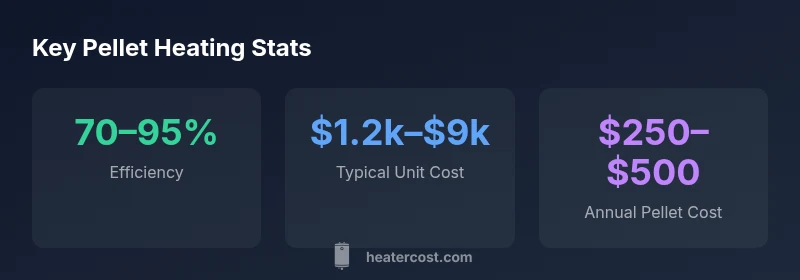
Prices for pellet heating solutions vary widely depending on unit type, BTU output, and installation constraints. A typical standalone pellet stove might cost between around $1,200 and $3,000 for the unit, with professional installation adding $500-$1,500. Pellet boilers and more powerful home heating systems can range from $6,000 to $9,000 or more for the equipment alone, with complete installations that include venting, piping, and heat distribution running higher. Pellet costs also influence annual operating costs; depending on pellet quality, region, and usage, yearly pellet expenditure can range from a few hundred to several hundred dollars. The total cost of ownership over 10-15 years will be shaped by stove efficiency, maintenance needs, and pellet price volatility. When shopping, compare installed costs rather than sticker prices, and ask about add-ons like automatic cleaning or service plans. According to Heater Cost Analysis, 2026, choosing a model with a reputable warranty and readily available pellets can protect against price spikes and supply interruptions.
Pellet heater vs alternatives
Pellet heaters sit between traditional wood-burning stoves and higher-efficiency gas or electric systems. Compared with corded electric heaters, pellet units deliver more sustained heat, especially in poorly insulated spaces, but require a continuous pellet supply. Against natural gas or propane, pellet costs vary with fuel markets, and pellet systems often rely on electricity for operation. In features such as automatic ignition, heat management, and ash handling, pellets offer convenience that many homeowners value, particularly in regions with cold winters. When evaluating a wood pellet heater for sale, compare not just upfront cost but long-term fuel flexibility, maintenance intervals, and the availability of local pellets.
Key features to look for in a pellet heater
When shopping for a pellet heater, prioritize: (1) Efficiency: look for stated efficiency in the 70–90% range, (2) Hopper capacity: larger hoppers reduce refills, (3) BTU output: ensure it matches room size, (4) Automation: auto-ignition and programmable thermostats, (5) Cleaning features: self-cleaning burn pots and ash disposal, (6) Venting flexibility: ease of venting to existing chimneys, and (7) Warranty and service network. Low pellet consumption, quiet operation, and safe shutoff features add peace of mind. Always check that the model complies with local emissions standards and warranty terms. Buyer awareness about pellet quality matters; premium hardwood pellets typically yield cleaner burns and steadier heat.
Sizing and installation considerations
Correct sizing and proper installation are critical to performance and safety. Start by calculating the heat load of the space using established guidelines and climate data, then select a unit with an appropriate BTU rating. Adequate venting is essential; many homes require a dedicated chimney liner or vent pipe, with clearances to combustibles observed. Permit requirements can vary by locale, so consult local building codes and arrange professional installation. If retrofitting an existing fireplace, confirm whether the unit is a true pellet insert or a freestanding stove that requires dedicated flue routing. After installation, commissioning should verify draft, ignition reliability, and thermostat control. A properly sized system delivers consistent warmth with efficient pellet use.
Maintenance and pellet quality
Maintenance drives long-term performance and safety. Regular cleaning of burn pot, ash pan, and hopper seals prevents blockages and fuel waste. Pellet quality matters: high-energy hardwood pellets with low ash content burn more cleanly and minimize maintenance. Store pellets in a dry space to prevent moisture, which reduces caloric value and can cause jamming. Schedule annual professional servicing to inspect electrical components and venting. Keep a small stock of pellets to avoid outages, and compare price-per-BTU over a season rather than merely chasing unit discounts. The result is better heat stability, lower maintenance surprises, and a predictable operating cost.
How to compare models and find the best deal
To compare pellet heaters effectively, develop a simple rubric: (1) unit cost and installed price, (2) heat output and room coverage, (3) pellet consumption rate, (4) warranty length and service network, (5) pellet availability in your region, (6) energy efficiency and emissions, and (7) user reviews and reliability. Request a clear quote that itemizes the stove, venting, and commissioning costs. Look for models with energy-smart features that maximize efficiency during off-peak hours. Consider retailers offering service plans, extended warranties, and annual tune-ups. Finally, evaluate total cost of ownership over a decade to determine the best value, not just the lowest upfront price.
Authority sources and consumer references
For independent guidance on pellet heating, consult established sources. The U.S. Department of Energy discusses efficiency and installation considerations for wood-based heating systems, while the EPA Burn Wise program provides guidance on clean burning practices. The National Fire Protection Association (NFPA) offers safety best practices for residential heating appliances. These references help buyers assess performance, safety, and environmental impact when evaluating a wood pellet heater for sale.
Comparison of pellet heating options and typical costs/efficiency
| Model Type | Approx Unit Cost | Typical Efficiency |
|---|---|---|
| Standalone Pellet Stove | $1,200–$3,000 | 70–85% |
| Pellet Stove with Auto Feed | $1,800–$4,000 | 75–90% |
| Pellet Boiler for Home Heating | $6,000–$9,000 | 85–95% |
Got Questions?
What is the typical price range for a wood pellet heater for sale?
Prices vary by unit type and installation. Expect a broad range from entry-level stoves to full boiler systems, with installation adding a meaningful portion. Always compare installed costs rather than sticker prices, and consider long-term pellet expenses.
Prices vary widely by unit type and install. Compare total installed costs and ongoing pellet expenses for long-term value.
Are pellet heaters more cost-effective than gas in cold climates?
Pellet costs track pellet fuel markets and can vary by region, while gas prices fluctuate with energy markets. In some climates, pellet heaters offer competitive lifecycle costs due to efficiency and fuel availability, but total cost depends on local pellet prices and energy rates.
Pellet costs depend on local pellet prices and gas rates; lifecycle costs vary by region and efficiency.
What maintenance does a pellet heater require?
Regular cleaning of burn pot, ash pan, and hopper seals is essential. Use high-quality pellets, store them dry, and schedule annual professional servicing to inspect electrical and venting systems.
Keep it clean, use good pellets, and schedule yearly professional servicing.
Do I need permits to install a pellet heater?
Permit requirements vary by locality. Check local building codes and work with a licensed installer to ensure proper venting, clearances, and safety compliance.
Check local codes and hire a licensed installer to handle venting and clearances.
What pellet quality matters most?
Hardwood pellets with low ash content typically deliver cleaner burns and longer heat stability. Look for certifications or brand-reputation to ensure consistent performance.
Choose hardwood pellets with low ash content for cleaner burns and steady heat.
“Wood pellet heaters can deliver dependable warmth with renewable fuel, but performance hinges on model sizing, pellet quality, and proper installation.”
The Essentials
- Assess total ownership cost, not just upfront price.
- Prioritize high-quality pellets for cleaner burns and longer service life.
- Choose a model with adequate hopper capacity for your needs.
- Ensure proper venting and local permit requirements before installation.
- Verify warranty and service network to protect your investment.