What Diesel Heater to Buy: A Practical Guide
Learn how to choose the right diesel heater for your space with practical criteria, BTU guidance, safety tips, and budget considerations. A Heater Cost guide for homeowners, RVers, and off-grid spaces.


To decide what diesel heater to buy, start with your space and heat needs, then compare BTU output, fuel efficiency, installation type, and safety features. Consider warranty, noise, and maintenance costs, and set a realistic budget. The Heater Cost team emphasizes choosing a model with reliable parts and solid support.
What diesel heater is right for you: scope and use cases
Diesel heaters are compact, self-contained units that burn diesel to heat air or water. They are widely used in off-grid cabins, workshops, RVs, boats, and construction sites where electricity may be limited or unreliable. If you're asking what diesel heater to buy, the answer depends on how you plan to heat the space, how much space you need to heat, and how you want the heat delivered. This guide helps homeowners, renters, and property managers evaluate options, compare critical specs, and avoid common mistakes. Remember that this kind of heater requires proper ventilation and a carbon monoxide detector; safety cannot be optional. Heater Cost recommends starting with a realistic heat target, evaluating installation feasibility, and verifying parts availability in your region before you pick a model. Throughout, we emphasize practical decisions over marketing claims to help you pick a heater that balances reliability, cost, and convenience.
Key factors to compare when buying a diesel heater
Choosing the right diesel heater involves weighing several factors that affect performance, comfort, and long-term costs. Consider heating capacity (the model should match the space without being oversized), heat delivery method (air heater vs hydronic/water-based), and how the unit will be vented. Check fuel availability, burn efficiency, and noise levels, as these influence day-to-day usability. Look for intuitive controls, compatibility with your existing thermostats, and the size/weight of the unit for mounting. Finally, review warranty terms and the availability of service and spare parts in your region. In summary, your goal is a reliable, easy-to-maintain heater with predictable running costs and strong post-purchase support.
How to estimate heating needs (BTU) for a diesel heater
Estimating BTU needs helps you avoid buying a unit that’s too large or too small. Start by measuring the space you plan to heat (length x width x height) and noting insulation quality, window openings, and typical exterior temperature. Use these factors to narrow your options to heaters that list a compatible room size or volume. Always cross-check the manufacturer’s guidance and, when in doubt, choose a slightly conservative output to account for heat loss through doors and poor insulation. This approach reduces short cycling and keeps fuel use reasonable. Heater Cost recommends documenting your space measurements and heat goals before you compare models.
Diesel heater types and installation considerations
Most diesel heaters fall into two broad categories: air heaters, which warm the air that circulates through the space, and hydronic (water-based) heaters, which heat circulated water for radiators or radiant floors. Air heaters are common for cabins, workshops, and vehicles due to simpler venting and quicker heat. Hydronic systems suit spaces where radiant heat is preferred or where existing hot-water circuits can be integrated. Installation considerations include vent routing, mounting location, fuel line routing, electrical connections, and ensuring clearances from combustibles. Always review the product’s installation manual and local code requirements. If you’re unsure about venting length or fuel-line routing, consult a professional. Heater Cost reminds readers to prioritize safe, code-compliant installations over a cheaper but risky setup.
Safety, ventilation, and CO considerations
Diesel heaters burn fuel and produce exhaust that must be vented outdoors. Installations in enclosed spaces without proper venting can create dangerous CO buildup. Use a carbon monoxide detector in occupied spaces and verify venting paths lead outside the building. Maintain clearances from walls and furniture, and never obstruct exhaust outlets. Regularly inspect hoses, clamps, and seals for wear, and replace damaged components promptly. By planning a safe intake and exhaust layout, you reduce the risk of CO exposure and fire hazards. Heater Cost emphasizes treating safety features and proper installation as non-negotiable parts of any diesel heater purchase.
Fuel efficiency, running costs, and maintenance
Fuel efficiency is influenced by burn quality, control strategy, and the operating temperature you set. Look for models with precise thermostat control, automatic shutoff when reaching setpoints, and clean burning technologies that minimize fuel use without compromising comfort. Remember that diesel costs can vary by region, so factor in expected fuel price over the heater’s lifetime. Maintenance basics include periodic filter cleaning or replacement, inspecting fuel lines for leaks, and keeping the burn chamber clean. Building a routine around these tasks helps preserve performance and extend service life. Heater Cost recommends choosing a model with accessible parts and a straightforward maintenance schedule to minimize lifetime costs.
How to shortlist models and read specs
When comparing models, start with the BTU rating, then verify venting requirements and fuel-line specifications. Check the electrical requirements, available control options (manual, thermostat, or remote), accessory compatibility (thermostats, remote sensors), and warranty coverage. Read the manufacturer’s manuals for installation clearances, maintenance intervals, and spare-part availability. Look for models with established service networks in your region and a track record of reliability. Cross-check user reviews and independent guides to confirm real-world performance. This process helps you avoid overestimating needs and ensures your chosen heater remains practical for years.
Installation considerations and professional installation vs DIY
Simple, non-structural installs can be tackled by a confident DIYer, but the complexity of venting, fuel lines, and electrical connections often warrants professional installation. A licensed technician will verify code compliance, seal potential leak points, and ensure safe vent routing. If you opt for DIY, follow the manual step-by-step, double-check fuel fittings, test exhaust integrity, and install CO detectors before commissioning. Maintain a conservative approach and plan for a professional inspection if you have any doubts about safety. Heater Cost suggests weighing the cost of professional installation against the risk of improper setup.
Budgeting, warranties, and service networks
Budget planning should account for the heater unit, venting kit, mounting hardware, and essential safety equipment. Ongoing costs include fuel and periodic maintenance. Warranties vary by model and region; favor a unit with a solid warranty period and accessible service centers. A broad service network reduces downtime if parts or service is needed. Heater Cost warns against choosing a low-price option with scant support, as this often results in higher total costs due to repairs and reliability concerns.
Maintenance schedules and longevity tips
Create a simple maintenance calendar: inspect fuel lines for cracks, clean or replace air filters, and check vent seals regularly. Keep a log of service visits and any replacement parts, so you know when to plan replacements. The burn chamber and exhaust system should be visually inspected for signs of wear after the first several hundred hours of operation. By staying proactive, you extend the heater’s lifespan and maintain consistent heat output. Heater Cost recommends building a maintenance habit rather than reacting to performance drops.
Final checklist before purchase
Before buying a diesel heater, confirm room size compatibility, available venting routes, and fuel availability. Check warranty terms and the proximity of service centers. Verify that the model has a user-friendly control interface and reliable safety features (CO detection, automatic shutdown, and surge protection). Finally, compare total cost of ownership across several models to avoid sticker shock over the long term. This checklist helps ensure you select a heater that balances performance, safety, and value.
Tools & Materials
- Screwdrivers (Phillips and flat-head)(Set includes assorted sizes; essential for mounting and clamps.)
- Pliers(Helpful for hose clamps and fuel line fittings.)
- Wrench set(Open-ended/box wrenches for fittings and mounts.)
- Wire cutters/strippers(For electrical connections and sensor wiring.)
- Fuel line clamps(Secure diesel lines against vibration.)
- Heat-resistant venting hose(Appropriate diameter per unit spec; ensure outdoor venting.)
- Sealant/heat-resistant sealant(Seal joints around vents and mounting points.)
- Carbon monoxide detector(Place in occupied spaces near the heater.)
- Torque wrench (optional)(Used for securing bolts to specified torque.)
- Fire-rated mounting hardware (as needed)(Follow manufacturer guidelines for installation surfaces.)
Steps
Estimated time: 2-4 hours
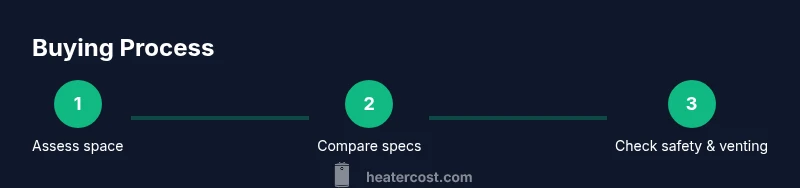
- 1
Assess space and heat goals
Measure room dimensions and note insulation quality, window areas, and typical external temperatures. Use these inputs to estimate a safe heat target and help select an initial BTU range. Document findings for model comparison.
Tip: Take photos and sketches of the installation area to reference during shopping. - 2
Choose heater type and core features
Decide between air-heater or hydronic options based on heat delivery preference and space constraints. Consider control options (manual vs thermostat), venting needs, noise level, and available support in your region.
Tip: Ensure the unit can be vented to the outdoors without creating drafts in adjacent rooms. - 3
Check codes, permits, and safety requirements
Review local codes for diesel heater installations and venting requirements. Prioritize devices with built-in safety features and ensure carbon monoxide detectors are present in occupied spaces.
Tip: If in doubt, contact a licensed installer to confirm compliance. - 4
Plan mounting, venting, and fuel routing
Map a clear path for mounting the heater, route vent exhaust outdoors, and design fuel line routing away from heat sources and foot traffic. Prepare mounting hardware and clearances before unboxing.
Tip: Avoid sharp bends in vent hoses; use gentle curves to prevent kinks. - 5
Install the unit and connect controls
Mount the heater securely, connect power and control wires, and install the thermostat or remote control if included. Attach fuel lines with clamps and verify all connections are tight and free of leaks.
Tip: Double-check fuel line orientation to avoid air locks in the system. - 6
Test operation and safety checks
Power up the system, verify ignition or start sequence, and confirm warm air is circulating. Place CO detectors, test alarms, and inspect exhaust for leaks. Perform a smoke and leak test before finalizing.
Tip: Observe a short initial burn and listen for abnormal noises or vibrations.
Got Questions?
Do diesel heaters require a vent in every installation?
Most diesel heaters require venting to exhaust combustion byproducts outdoors. Proper venting reduces CO buildup and ensures safe operation. Always follow the manufacturer’s venting guidelines and confirm local code compliance.
Most diesel heaters need to vent outside to stay safe; follow the manual and local rules, and use CO detectors.
Can I install a diesel heater indoors by myself?
DIY installation is possible for simple, well-documented setups with sufficient ventilation and basic electrical skills. However, many installations involve venting, fuel lines, and electrical work that should be done by a licensed professional to ensure safety and code compliance.
You can DIY for simple setups, but consider a pro for venting and electrical work to be safe.
What should I consider when comparing BTU ratings?
BTU ratings help estimate heat output. Choose a unit that matches your room size and insulation, and avoid models that are overly powerful, which can lead to short cycling and higher fuel use.
Match BTU to space and insulation, avoid over-specifying to prevent waste and wear.
How often does a diesel heater require maintenance?
Regular maintenance typically includes filter checks, fuel-line inspection, and vent cleanliness. Follow the manufacturer’s schedule and schedule professional service if you notice reduced efficiency or odd sounds.
Keep up with maintenance per the manual and don’t skip yearly checks.
Is a diesel heater safe for a home or cabin?
When properly vented and installed, diesel heaters can be safe for homes and cabins. Prioritize correct venting, CO detectors, and professional installation if unsure.
Safe when vented correctly and installed per guidelines; use CO detectors too.
Watch Video
The Essentials
- Define your space and heat needs before buying
- Prioritize venting, CO safety, and serviceability
- Read specs carefully and verify installation requirements
- Plan for total cost of ownership, not just unit price
- Choose models with reliable parts and a solid warranty