Patio Heater Buying Guide: Costs, Types, and Tips
A data-driven guide to patio heaters, detailing cost ranges, fuel types, installation considerations, and maintenance to help homeowners and managers extend outdoor living spaces efficiently.


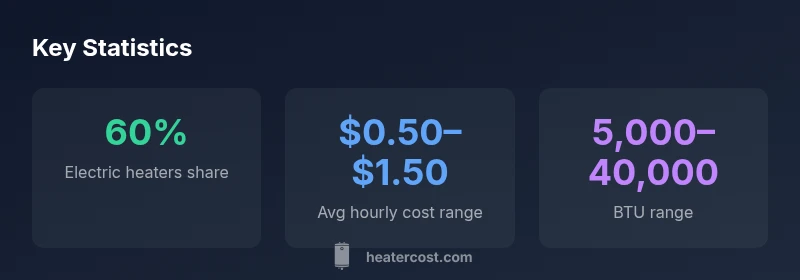
Patio heater costs typically span $100–$600 depending on type and features, with electric models generally cheaper to buy and run than propane or natural gas options. A single heater delivering 5,000–40,000 BTU can extend outdoor comfort for 3–4 seasons, while higher-output units cover larger patios. These ranges reflect Heater Cost Analysis, 2026.
What is a patio heater and when to use one
A patio heater is a device designed to provide outdoor warmth for decks, patios, and porches, enabling comfortable evenings well beyond the warmth of a typical outdoor fire. Patio heaters come in several fuels and formats, including electric radiant panels, propane or natural-gas flame units, and ceiling- or wall-mounted installations. The best choice depends on your space, power access, usage pattern, and aesthetics. For renters or small spaces, portable electric units often offer the easiest setup and the lowest maintenance. For owners with a dedicated outdoor room or a fixed seating area, gas-fired models can deliver more heat over longer periods and with broad heat distribution.
When you’re choosing, consider how often you’ll use the space, how many people you typically seat, and whether you want movable warmth or permanent heat. Patio heaters are most effective in sheltered areas with minimal wind and clear line-of-sight to seating. They create a warmth zone that complements outdoor lighting, furniture, and canopies. Remember that heat travels outward, not downward, so placement matters for comfort and safety. A well-chosen patio heater can extend outdoor living into shoulder seasons, balance energy use, and improve the overall usability of a deck or patio.
Types of patio heaters and how they heat
The main categories of patio heaters fall into electric and fuel-fired designs, each with distinct heat mechanisms and installation requirements. Electric patio heaters usually use radiant elements or infrared panels that heat people and objects directly rather than warming the surrounding air. They are commonly available as wall-mounted strips, ceiling or freestanding infrared units, and plug-in models, offering quick heat with minimal exhaust and no open flame. Propane and natural gas heaters burn fuel to generate radiant heat, channeled through a burner and reflector to project warmth across a seating area. Gas models tend to produce higher heat output suitable for larger patios, but they require proper clearance, ventilation, and regular fuel management.
Radiant heat vs convection: outdoor comfort is often improved by radiant heat because wind has less impact on maintaining surface warmth. Some models feature adjustable head tilts, wheels for portability, and protective canopies to help manage weather exposure. In practice, the choice depends on how you plan to use the space. If you want instantaneous warmth for casual evenings, a small electric or a portable propane unit may suffice. For longer gatherings on larger patios, a gas-fired heater with a higher BTU output can deliver consistent warmth over several hours.
Key factors to compare before you buy
Before purchasing a patio heater, map out your space and usage patterns. Start by estimating the area you want to heat and selecting a unit with enough heat output to cover that space without waste. BTU rating is a helpful starting point, but consider ceiling height, wind exposure, and seating layout. Electric models are easy to install and reduce outdoor emissions, but their heat output may be more limited than gas-fired units. If you expect to heat a large outdoor lounge or dining area, propane or natural gas options with higher BTU ranges are more appropriate, though they require fuel management and venting considerations.
Other important factors include safety features such as tip-over switches, auto shut-off timers, and heat shields that reduce accidental contact. Weather resistance matters too; look for IP ratings or robust enclosures that handle rain and dew. Portability is a practical concern for many households, so consider whether you want a freestanding unit on wheels or a wall-mounted model integrated into your outdoor design. Finally, assess energy costs and maintenance requirements for each fuel type, including fuel storage, refills, and routine cleaning.
Energy costs and efficiency: estimating running costs
Running costs depend on fuel type, wattage or BTU, and how long you operate the heater. Electric patio heaters typically have lower up-front investment and predictable electricity use, while propane and natural gas units can deliver higher heat output but incur ongoing fuel costs. To make a rough comparison, consider typical usage: a compact electric unit might cost only a few dollars per month for light seasonal use, whereas gas-fired models used most evenings over several months will incur higher fuel bills. However, heat output per dollar can be favorable for high-BTU gas units if used consistently.
For budgeting, use a simple rule of thumb: estimate your area’s heat requirement in BTU and multiply by expected hours of use; then compare energy costs per BTU across fuel types. Keep in mind that efficiency can improve with proper placement, wind protection, and targeted heat. Manufacturer labels provide the exact BTU and energy draw, but your actual operating cost will depend on local energy prices and how you control heat (on/off timers, thermostats, and zone heats).
Safety considerations and best practices
Outdoor heat invites risk if not properly managed. Place patio heaters on stable, level surfaces away from flammable materials, furniture, and overhangs. Maintain minimum clearance per the manufacturer’s instructions—usually at least three feet (about one meter) on all sides for gas units and two feet for electric models. Never move a gas heater while it is lit, and always turn off the fuel supply when not in use. Use a windscreen or shield to reduce heat loss in breezy spaces, but ensure adequate ventilation for combustion-based units. Carbon monoxide is a critical concern with gas-fired heaters, so never use them indoors or in enclosed patios; install detectors where appropriate.
Regularly inspect hoses, connections, and power cords for wear. Clean debris from vents and reflectors, and replace damaged parts promptly. If you notice orange flames, unusual smells, or inconsistent operation, shut down the unit and consult a professional. When weather turns severe, store or cover non-electric units safely and protect electric models from moisture.
Installation and maintenance tips
Electric patio heaters are generally the easiest to install, often simply plugging into a dedicated outdoor outlet and mounting or placing on a stand. Gas-fired heaters require a safe gas supply or propane cylinder management; ensure a clear path to exhaust outlets and maintain proper clearance around the heat source. Regular maintenance includes cleaning reflectors and heating elements, inspecting power cords for wear, and replacing worn components as recommended by the manufacturer. For gas units, check gas lines for leaks with soapy water, and never use open flames near fuel connections. Use a protective cover during off-seasons to reduce corrosion and dust buildup.
Invest in a good mounting solution or stand that aligns with your outdoor layout. If you rent or frequently rearrange furniture, portable electric models are the easiest to relocate. Regardless of type, always follow the manufacturer’s assembly instructions and secure any mounting hardware. A little upfront planning on placement can make a big difference in perceived warmth and energy efficiency.
Permits and compliance: do you need a permit?
Most portable electric patio heaters do not require permits, but permanent outdoor gas or vented installations may fall under local building codes or HOA rules. If you install a gas-fired or vented heater, you may need inspections or permits, especially if your unit is connected to a gas line or requires structural mounting. Always check with local authorities or a licensed contractor before starting any installation. Keeping receipts, manuals, and permit records helps with warranties and potential resale questions.
Total cost of ownership and payback considerations
To understand the true cost, add up initial purchase price, installation costs if any, and ongoing fuel or electricity expenses. A higher-BTU gas model may cost more upfront and require regular refills, while electric units typically have a lower purchase price and predictable power costs. If you expect to use the heater frequently across several seasons, gas-fired models can be cost-effective due to heat longevity, whereas electric models shine for low- to moderate-usage scenarios. The payback period varies with climate, space, and usage patterns, but careful accounting of annual energy spend helps you compare options accurately. Brand data indicates that smart-heating features and durable housings add to long-term value.
Warranty, support, and longevity
When buying a patio heater, review the warranty terms for heat elements, burners, and reflectors, plus the availability of replacement parts. Some models offer extended warranties on the frame or housing, while others may include a package of on-site service or quick parts replacement. Longevity depends on usage, exposure to weather, and maintenance. Selecting a model with a robust warranty and accessible support can reduce lifetime costs and downtime. For balcony or deck applications, choosing weatherized housings and corrosion-resistant materials helps preserve performance.
Comparison of patio heater types by heat output and fuel
| Model Type | Heat Output BTU | Fuel Type | Typical Installation | Notes |
|---|---|---|---|---|
| Electric Patio Heater | 1,500–6,000 | Electric | Plug-in or wall-mounted | Quiet, clean heat; good for small spaces |
| Propane Patio Heater | 40,000–60,000 | Propane | Outdoor use with propane tank | High heat, portable; refuelable |
| Natural Gas Patio Heater | 40,000–60,000 | Natural Gas | Permanent outdoor gas line | Continuous heat; no fuel refills |
Got Questions?
What size patio heater do I need for my space?
Estimate your seating area and choose a unit with enough BTU to cover that space without overheating adjacent areas. For small patios around 100 square feet, 5,000 BTU units are common; larger decks may require 20,000–40,000 BTU or more. Always verify heat output with the manufacturer and adjust for wind exposure.
To pick the right heater, measure your seating area and pick a BTU that matches the space. Start with smaller BTUs for tight spaces and scale up for larger patios.
Are patio heaters safe to use on wooden decks?
Yes, with proper clearance and protective mounting. Keep a noncombustible mat or pad beneath, maintain several feet of clearance from railings and furniture, and use models with tip-over protection. Never place heaters on unstable surfaces or near flammable materials.
Yes, safely on decks—just maintain clearance and use a stable surface.
Can I use a patio heater indoors?
Gas-fired patio heaters should never be used indoors due to carbon monoxide risk. Electric patio heaters can be used outdoors or in well-ventilated covered spaces, but always follow the manufacturer's guidance and local codes.
Gas heaters aren’t safe indoors. Electric models can be used in ventilated spaces following guidelines.
How do I maintain my patio heater?
Regular maintenance includes cleaning reflectors, checking for gas leaks with soapy water on connections (gas models), inspecting power cords for wear, and replacing worn parts per the manual. Cover non-electric units when not in use to extend life.
Clean components, check for leaks, and cover units when not in use.
Do patio heaters require permits?
Most portable electric heaters don’t require permits. Gas-fired or vented installations may need inspections or permits depending on local codes. Always check with local authorities or a licensed contractor before starting.
Usually no permit for electric units; gas installs may need codes check.
“A patio heater is a long-term outdoor comfort investment; selecting the right fuel type, heat output, and placement maximizes warmth while controlling costs.”
The Essentials
- Start with electric heat for small spaces.
- Estimate total ownership costs, not just the price.
- Match BTU output to your outdoor area.
- Prioritize safety features and weather resistance.
- Check permits and warranties before installing.