Kerosene Heater Review: Performance, Costs & Safety
This Heater Cost review analyzes kerosene heater performance, operating costs, safety features, and maintenance guidance to help homeowners decide if it fits their space and budget.


Kerosene heaters can deliver rapid warmth for small to medium rooms, plus portability and resilience during power outages. They tend to cost less upfront than electric heaters, but ongoing fuel expenses and regular maintenance influence total cost. For many households, they serve best as a supplementary heat source rather than a full replacement for home heating.
What is a kerosene heater? Basic concepts and use-cases
Kerosene heaters are portable combustion heaters that burn kerosene to produce heat. They’re popular in spaces where electricity is unreliable, during outages, or in cabins and garages where a compact, independent heat source is valuable. Heaters in this category vary in size, venting needs, and safety features, but they share a common trait: they convert liquid fuel into heat with minimal electrical dependency. The Heater Cost team notes that these units are often chosen for emergency preparedness, temporary space heating, or supplemental warmth in rooms where central systems aren’t ideal. When evaluating a kerosene heater, homeowners should consider room size, insulation quality, and safety provisions to determine if it’s a suitable fit for their home.
According to Heater Cost, the most effective models balance heat output with fuel efficiency and clean-burning performance. This means selecting a unit that matches your space rather than chasing maximum BTU. Proper placement, adequate ventilation, and a clear space around the unit are essential from day one to ensure safe operation and steady comfort.
Heating performance in various spaces
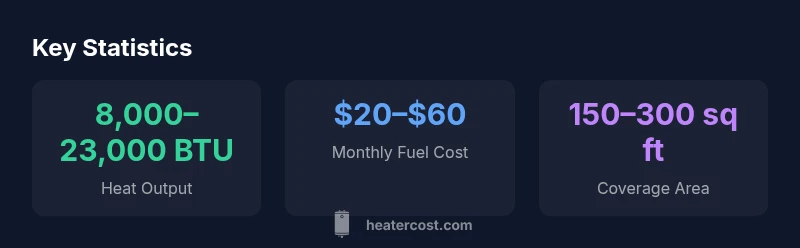
Kerosene heaters deliver heat quickly, but their effectiveness depends heavily on space size and insulation. In small to medium rooms (roughly 150–300 square feet), a heater in the 8,000–12,000 BTU range can provide noticeable warmth within minutes, whereas larger rooms demand higher output or a secondary unit. The heat profile is generally steady but can feel warmer near the heater and cooler farther away. In poorly insulated spaces, you’ll see more temperature fluctuations and a greater reliance on ventilation and fuel to maintain comfort. For homeowners testing a kerosene heater, it’s wise to measure comfort at head height, near the seating area, and at the far end of the room to ensure even distribution. The Heater Cost analysis suggests sizing for coverage rather than chasing peak BTU at the outlet.
Fuel types, efficiency, and cost considerations
Most kerosene heaters burn No. 1 or No. 2 lamp kerosene, with higher-quality fuels burning cleaner and producing less odor. Fuel cost is a major variable; prices shift with crude oil trends and regional availability. Efficiency hinges on burn quality, wick condition, and regular maintenance. Better-designed models employ wicks that maintain a steady flame with fewer odor emissions and reduced soot. Homeowners should avoid using gasoline or adulterated fuels, which can damage the wick and increase emissions. Regular wick trimming, cleaning, and appropriate storage of kerosene are essential best practices to maintain efficiency over time.
Ventilation, odor, and indoor air quality
Kerosene combustion consumes oxygen and produces trace amounts of combustion byproducts. Even well-tuned units require some ventilation to minimize carbon monoxide buildup and odors. Operate heaters in well-ventilated rooms, and consider installing a battery-powered CO detector if you’re using a heater in a space without permanent ventilation. Opening a window slightly and ensuring a clear air exchange helps maintain healthy air quality while still providing warmth. In practice, many households create a small, controlled ventilation path during operation rather than leaving windows fully open. The key is balancing heat retention with safe air exchange.
Safety features and best practices
Public-facing kerosene heater safety features often include tip-over switches, automatic shut-off, safety guards, and labeled fuel storage. Always read the manufacturer’s instructions before first use and maintain a safe clearance from walls, curtains, and other combustibles. Never refuel a hot heater; wait for it to cool, tightly seal the fuel container, and store fuel away from living areas. Keep a fire extinguisher nearby and ensure children and pets have supervised access around the unit. Regularly inspect hoses, fuel lines, and seals for signs of wear that could lead to leaks.
Maintenance, cleaning, and long-term reliability
Long-term reliability hinges on proactive maintenance. Wick care is central: trim the wick as recommended, replace it when the flame becomes irregular or charred, and clean the heater’s exterior and burner components to prevent soot buildup. Use only clean kerosene and store it in approved containers away from heat sources. Periodic inspections by a qualified technician are worthwhile for households relying on kerosene heat for extended periods. Routine maintenance reduces odor issues and extends the life of gaskets and seals, helping you avoid unexpected downtime during critical heating seasons.
Comparing kerosene heaters to alternatives
Compared with electric space heaters, kerosene models have lower operating usage costs in some regions, but fuel availability and odor considerations can offset savings. For off-grid use, kerosene heat is attractive due to independence from grid electricity and portable design, though it carries ongoing fuel expenses and ventilation requirements. In many homes, kerosene heaters function best as a supplementary heat source rather than a full replacement for central heating. Propane heaters and small wood stoves offer other pathways to warmth, each with its own trade-offs in safety, insulation needs, and fuel logistics. When evaluating options, compare upfront cost, ongoing fuel needs, heat distribution, and ventilation needs to determine which option aligns with your home’s layout and lifestyle.
Real-world installation considerations and setup
Installation considerations for kerosene heaters are straightforward but crucial. Place the unit on a nonflammable surface with at least three feet of clearance from walls and furnishings. Check the chimney or venting requirements if your model indicates such features, and never enclose the heater in a tightly sealed cabinet. For homes with sleeping areas nearby, consider using CO detectors and ensuring a safe egress path. If you have children or pets, position the heater in an area where it won’t be bumped or knocked over. Power outlets for fans or controls should be protected from heat exposure, and any electrical cords should be kept out of walkways. Finally, have a plan for fuel storage—keep it in approved containers away from heat sources and direct sunlight—and ensure you’re compliant with local regulations regarding fuel storage and space heating devices.
Total cost of ownership: upfront versus ongoing costs
Total cost of ownership for a kerosene heater includes the upfront price, fuel costs, replacements (like wicks), and maintenance. Fuel costs depend on fuel price volatility and daily usage, making a simple payback calculation sensitive to seasonal factors. For many buyers, the upfront cost is modest compared with electric heaters, but long-term fuel and maintenance expenses can add up. To estimate annual cost, multiply expected daily running hours by the heater’s BTU rating, adjust for room size and insulation, and apply current kerosene prices. A well-maintained unit, used prudently, can offer predictable warmth without locking you into higher electricity bills.
Choosing features for your home size and layout
When selecting a kerosene heater, prioritize proper BTU sizing for target spaces, with a buffer for insulation quality. Look for safety features such as tip-over switches, sealed fuel caps, and auto shut-off when oxygen levels are low or the unit tips. Consider models with adjustable flame control, clean-burning nozzles, and wick life indicators to minimize maintenance surprises. Placement considerations include room geometry, furniture arrangement, and the ability to maintain safe clearance. For renters or homeowners with limited space, compact, portable models that can be moved between rooms may be most practical. Always verify that the unit complies with local building and safety codes before purchasing.
Common myths vs realities
A common misconception is that kerosene heaters are universally unsafe for indoor use. In reality, safety largely hinges on ventilation, fuel quality, and ongoing maintenance. Another myth is that kerosene heaters produce excessive odor in all cases; odor levels vary by fuel quality and burn efficiency. Finally, some assume these heaters require frequent, intense maintenance; with proper wick care and routine cleaning, a well-designed model can operate reliably for extended periods. Distinguishing myths from realities helps homeowners make informed buying decisions and plan for safe operation over the long term.
Getting the most value: installation, usage patterns, tips
To maximize value, select a heater sized for the space and insulation, install in a safe location, and schedule regular wick maintenance. Use clean fuel, store it safely, and ventilate appropriately to balance warmth with air quality. Create a usage pattern that aligns with daily routines—pre-warm spaces before occupancy and turn off or dial back when not in use. Tracking fuel usage over time helps refine cost expectations and demonstrates real-world performance versus initial claims. With careful planning, kerosene heaters can provide flexible, reliable warmth during cold snaps or outages.
The Good
- Low upfront cost compared to many electric heaters
- Portable and independent of electrical supply
- Fast heat delivery for small-to-medium spaces
- Good supplementary heat option in cold climates
Negatives
- Fuel costs can be volatile and higher overall in long run
- Requires ventilation and CO monitoring
- Regular maintenance like wick replacement is needed
- Odor and emissions vary with fuel quality and burn efficiency
Best as a supplementary heat source for small to medium spaces
Kerosene heaters offer quick warmth and portability at a lower upfront cost, but ongoing fuel costs and ventilation needs require careful planning. For households needing emergency or off-grid heat, they provide reliable options when used safely.
Got Questions?
Are kerosene heaters safe to use indoors?
Yes, when used in well-ventilated spaces and with proper safety practices. Always follow the manufacturer’s guidelines, maintain adequate clearance, and install CO detectors.
Yes—indoors can be safe with ventilation and regular checks.
What fuel should I use in a kerosene heater?
Use clean, clear kerosene No. 1 or No. 2 grade as recommended by the manufacturer. Avoid gasoline or adulterated fuels to protect the wick and reduce emissions.
Use only the kerosene recommended by the heater maker.
Do kerosene heaters need electricity to run?
Most kerosene heaters operate without electricity to generate heat, but some models may use electricity for fans or control electronics.
Most don’t need power, but check your model.
How do I maintain a kerosene heater?
Regular wick trimming, cleaning, and using clean fuel are essential. Replace the wick as recommended and inspect seals for leaks.
Keep the wick clean and replace it as needed for safe operation.
Can a kerosene heater replace a furnace?
Generally, kerosene heaters should supplement a primary heating system and may not be suitable as a full home replacement in very cold climates.
Usually best as a supplement, not a full replacement.
What safety features should I look for?
Look for a tip-over switch, automatic shut-off, safety guards, and clear labeling. Consider CO detectors for added safety.
Choose models with tip-over and auto shut-off for safety.
The Essentials
- Evaluate space size before buying
- Ensure proper ventilation and CO monitoring
- Choose a model with clear wick indicators and safety features
- Plan for fuel storage and safe handling
- Use compliant fuels to minimize odors and emissions