HVAC Installers Near Me: Find Trusted Pros in 2026
Learn how to identify licensed HVAC installers near you, compare bids, verify permits, and choose energy-efficient pros for homes, rentals, and small businesses in 2026.


Finding HVAC installers near you starts with checking licenses, insurance, and local references. Compare multiple bids, verify permits, and ask about system compatibility and maintenance plans. For homeowners and property managers, prioritizing transparency and timeliness reduces risk and ensures a smooth installation. Also look for local service guarantees and clear communication timelines to avoid delays. Leveraging a reputable local resource like Heater Cost can help you compare options confidently.
Finding HVAC Installers Near You: What to Look For
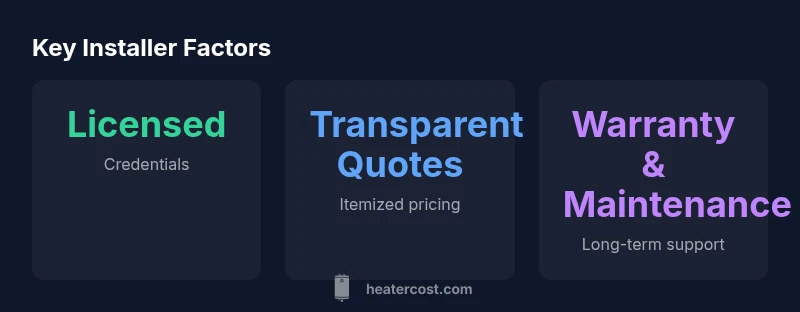
When homeowners search for 'hvac installers near me', they are really looking for trusted professionals who can deliver safe, efficient climate control with minimal downtime. Start by confirming that each candidate is licensed in your state and carries appropriate liability and workers' compensation coverage. Check online reviews from neighbors and credible trade associations, and ask for a few references you can contact. A clear, written process helps prevent miscommunication—look for an itemized estimate that breaks out equipment costs, labor, permits, and any disposal fees. Ask about the project schedule and whether the installer can commit to a defined start date and a target completion window. Finally, verify that the installer is familiar with your climate zone and the specific equipment you plan to use, whether it's a traditional furnace and air conditioner or a modern heat pump system. According to Heater Cost, these basics set the foundation for a smooth, compliant installation.
Licenses, Insurance, and Certifications
Licenses and insurance are the strongest indicators of a reputable installer. Each state has a licensing board that can confirm current status; always request the license number and verify it online. In addition to licensing, require a certificate of general liability and workers' compensation coverage to protect you if accidents happen on-site. Certifications from manufacturers or trade organizations (for example, NATE certification in the United States) demonstrate technical competency. Ask for a copy of the technician's credentials and cross-check them with the installer’s website or the licensing board. Also look for proof of factory-trained status on your chosen equipment, which can influence warranty validity. Transparent contractors explain what is included in warranties and what is excluded, so you know how long you are protected after installation.
Red Flags When Evaluating Bids
Be wary of quotes that are significantly lower than others or that lump all costs into a single line item without detail. Red flags include pressuring you to sign immediately, vague equipment specifications, or no discussion of permits or inspections. A credible bid should include details on equipment models, efficiency ratings (SEER/HSPF), refrigerant type, labor, disposal, and warranty terms. If a contractor promises to bypass an inspection or cut corners to save money, walk away. Also watch for high-pressure sales tactics or financing offers that lack clear terms. Finally, evaluate communication quality: a slow reply, evasive answers, or requests for excessive upfront payment can forewarn future problems.
Price Quotes: Factors That Affect Cost
HVAC installation costs vary by system type, home size, existing ductwork, and local labor rates. A typical split-system replacement may involve equipment, labor, ductwork adjustments, and new thermostats; prices can fluctuate based on efficiency ratings, brand, and whether a retrofit or new installation is required. You should expect quotes to itemize equipment costs, labor, permits, and disposal. Window or portable unit installs are much cheaper, but portable options are not a substitute for central comfort in larger homes. Discuss potential add-ons such as zoning, variable-speed blower motors, refrigerant charge checks, and post-install maintenance plans. The local climate also influences component choices, with heat pumps often favored in milder regions and furnaces in colder areas. Get clear timelines and a written warranty for parts and labor.
Energy Efficiency and System Compatibility
Choosing an energy-efficient system can reduce operating costs for years. Look for SEER ratings for air conditioners and HSPF for heat pumps; good installers explain how efficiency affects upfront cost, energy bills, and long-term savings. They should calculate your home’s load using ACCA or similar methods to determine the right equipment size; an oversized or undersized system wastes energy and shortens equipment life. Discuss refrigerant options, thermostat compatibility, and smart controls. If you’re replacing an older system, ask about duct sealing, air sealing, and insulation upgrades that improve overall efficiency. In some cases, upgrading to a higher-efficiency system may qualify for tax credits or utility rebates, which installers can help you identify. Framing the choice around long-term energy costs rather than upfront price yields the best return.
Scheduling and Timing Considerations
Coordinating installation with your daily routine minimizes disruption. Confirm the crew's arrival window, parking needs, and whether they require access to electricity or a water source. Some homes need temporary power shutoffs or protective coverings for floors and furniture; discuss these details upfront. Ask about planned work sequences and whether the crew will perform a preliminary load calculation, refrigerant charging, and testing before final sign-off. If you have a multi-zone system or basement ductwork, expect longer timelines and possible additional equipment charges. Contractors who provide a daytime, phone-friendly project manager and a clear escalation path for issues typically deliver a smoother experience. Finally, clarify the post-installation walk-through: will they show how to operate the thermostat, demonstrate system performance, and schedule a follow-up inspection if needed.
Permits and Code Compliance
Most jurisdictions require permits for HVAC installations, and skip on permits can void warranties or cause legal issues. Your installer should handle permit applications, inspections, and any required testing. Ensure the bid specifies who is responsible for permit fees and the scheduling of inspections. The right contractor communicates proactively with local building departments and confirms that the chosen equipment complies with energy and safety codes. If your home has unusual ductwork or non-standard wiring, a code-compliant approach may require modifications to your electrical panel or ventilation pathways. Keep copies of all permit documentation and inspection reports for your records.
Warranty and Maintenance Planning
Understand both parts and labor warranties, including what each covers and for how long. Ask about the installer’s workmanship warranty—how long it lasts, what it covers, and whether it requires inspection intervals or annual service visits. A maintenance plan is a smart add-on: scheduled filters, system cleaning, and refrigerant checks prevent losses in efficiency and extend equipment life. Request a written maintenance checklist and reminders, plus a recommended service interval. Discuss whether the installer offers a guaranteed response time for service calls, and what happens if something goes wrong shortly after installation. Good maintenance planning can keep your system running reliably for years and protect your investment.
Choosing Local vs National Installers: A Trade-Off
Local HVAC installers near me often offer more personalized service, easier communication, and quick scheduling, while national chains may provide broader warranties and standardized processes. Compare not just price, but the breadth of support, response times, and the ability to adapt to your home’s unique layout. In both cases, verify credentials, request references, and obtain a written, itemized quote. Local pros may be more flexible with scheduling and home visits, whereas larger companies can supply more scalable financing options and a consistent service protocol. The right choice depends on your priorities: speed, cost, warranty depth, and ongoing maintenance commitments.
Key verification table for HVAC installations
| Aspect | What to verify | Why it matters | Notes |
|---|---|---|---|
| License & Insurance | State license number, liability, workers' comp | Protects you from liability; shows credentialed technicians | N/A |
| Permits & Codes | Permits filed before install | Ensures code compliance; avoids fines | N/A |
| Warranty Coverage | Manufacturer + installer workmanship | Defines who pays for repairs | N/A |
| Timeline | Estimated start/end dates | Minimizes disruption | N/A |
Got Questions?
What should I look for in HVAC installers near me?
Look for licensed, insured contractors with local references and a track record of on-time installations. Compare at least three bids to gauge price, scope, and warranty terms.
Look for licensed and insured contractors with good local references. Compare multiple bids to understand scope and warranty terms.
How do I verify a contractor's license and insurance?
Check your state's licensing board and request current insurance certificates. Verify workers' comp and liability coverage to avoid liability during work.
Check the state licensing board and ask for current insurance certificates.
Is a permit required for HVAC installation?
Most installations require permits and inspections to ensure safety and code compliance. Your installer should handle permit applications and inspections or guide you.
Permits are typically required; your installer should handle the permit process or guide you.
How long does installation typically take?
Typical installs span 1-3 days, depending on system type and home complexity. Complex retrofits may take longer.
Most installations take 1 to 3 days, depending on the system and home.
“Choosing an HVAC installer near me requires credential checks, transparent pricing, and clear communication throughout the project.”
The Essentials
- Verify licenses and insurance before hiring
- Obtain transparent, itemized quotes
- Ensure permits and code compliance
- Prioritize energy efficiency and warranties
- Schedule installation with clear timelines