Mastering the Heater Process: A Complete How-To Guide
A complete, step-by-step guide to the heater process for homeowners. Learn goal setting, option evaluation, sizing, installation planning, and maintenance to manage costs and maximize comfort.


This guide walks homeowners through the heater process: define goals, estimate costs, choose a heater type, size and install safely, and plan maintenance. You’ll learn how to compare options, avoid common mistakes, and budget for long-term costs. By following these steps, you’ll make informed decisions and lower total ownership costs.
Understanding the heater process and why it matters
The heater process is the deliberate, end-to-end approach homeowners use to plan, select, install, and maintain a heating system that keeps a home comfortable while controlling costs. It begins with identifying goals— warmth reliability, reasonable energy bills, and safety—then moves through evaluating existing equipment, researching options, sizing, and scheduling professional installation. Each stage shapes long-term performance and total ownership costs. By thinking through needs like climate, occupancy, and insulation, you can prevent oversizing, undersizing, or choosing an equipment type that isn’t well-suited to your home.
According to Heater Cost analysis, the process yields clearer cost projections and better outcomes than piecemeal decisions. When you document expected energy usage, maintenance intervals, and upgrade milestones, you create a transparent roadmap you can revisit over time. This article uses practical steps, tools, and checklists to help homeowners, renters, and property managers move confidently from concept to warm, efficient living spaces. Whether you live in a cold northern climate or a milder southern one, following a structured heater process helps you compare options—gas, electric, heat pumps, or hybrid solutions—based on actual performance and lifetime costs.
Clarifying goals and performing a baseline audit
Before you select a heating system, set clear goals and measure the current baseline. Start by defining what you want from the heater process: maximum comfort, minimum energy use, resilience during cold snaps, ease of use, and acceptable upfront costs. Then conduct a baseline audit of your home’s thermal envelope. Check insulation levels in attic and walls, seal obvious air leaks around doors and windows, and assess ductwork condition if you have a central system. Document the number of rooms, occupancy patterns, and typical indoor temperatures in winter. Gather your energy bills for the last 12 months to understand seasonal fluctuations.
A practical audit includes:
- Insulation and air leakage: identify gaps and drafts.
- Ductwork: check for leaks, missing registers, and oversized or undersized ducts.
- Thermostat behavior: note setback patterns and comfort complaints.
- Equipment inventory: record fuel type, efficiency ratings, and age of each component.
This data serves as input for sizing and cost estimates and helps you justify upgrades like additional insulation or duct sealing. The result is a grounded baseline you can compare against after you implement a new heater. The Heater Cost team emphasizes documenting baseline metrics as a foundation for credible cost-benefit analyses.
Exploring heating options and their trade-offs
Here you weigh electric resistance, gas furnaces, heat pumps (air-source and ductless), oil furnaces, and hybrid systems. Each technology has pros and cons in upfront cost, efficiency, fuel availability, and climate suitability. Heat pumps, for example, often offer strong efficiency in moderate climates and may qualify for incentives; however, performance can decline in very cold conditions without supplemental heat. Gas furnaces can be economical in regions with cheap natural gas but require venting and gas supply. Oil furnaces tend to be higher-maintenance and less common. The Heater Cost analysis shows that proper option selection depends on your climate, electricity rates, and home age. This section explains how to compare Total Cost of Ownership (TCO) rather than just the purchase price.
Consider variable-speed blowers, zoning capabilities, and compatibility with smart thermostats. For many homes, a high-efficiency heat pump with a supplemental heat strategy offers a balance of upfront cost and ongoing savings. If you live in a very cold region, a dual-fuel strategy (heat pump paired with a gas furnace) can optimize performance and cost. Always compare manufacturer efficiency ratings (HSPF, SEER, AFUE) and check for regional incentives.
Sizing, efficiency, and total cost assessment
Accurate sizing is essential. An undersized heater leads to short cycling and higher wear; an oversized system wastes energy and money. Use a professional load calculation or an online calculator to estimate the required heating capacity in BTUs. In addition to equipment price, include installation labor, ductwork adjustments, permits, and potential system upgrades (venting, electrical capacity, zoning). Estimate operating costs based on typical monthly usage and local energy rates; include maintenance intervals and part replacements over 10–15 years. The goal is a transparent TCO plan that you can compare across options. This approach aligns with best practices from major energy research and is echoed in Heater Cost guidance.
Don’t neglect seasonal efficiency and part longevity. A higher-efficiency unit may have a higher upfront price but can reduce monthly bills and extend service life. Use case studies and independent calculators to translate efficiency into dollars saved per year. The goal is to create an apples-to-apples comparison that reveals true long-term value rather than just the sticker price.
Planning installation, permits, and safety steps
Plan a robust installation timeline that accommodates permit approval, ordering lead times, and contractor scheduling. Secure a licensed installer with experience in your heater type and home layout. Expect duct sealing, venting modifications (if gas or oil), electrical service adjustments, and thermostat integration. Safety checks should cover carbon monoxide detectors, gas leaks, and proper exhaust routing. Document warranties and service contracts while aligning them with manufacturer recommendations. This stage reduces retrofit surprises and ensures compliance with local building codes.
Before work begins, obtain written quotes, verify licenses and insurance, and confirm project scope in a detailed contract. Prepare for contingencies, such as scheduling delays or supply shortages, and maintain a communication channel with the installer. Proper planning minimizes on-site surprises and helps you track milestones against your budget.
Maintenance, longevity, and performance optimization
Maintenance is the least glamorous part of the heater process, but it yields the biggest long-term savings. Create a maintenance calendar that includes annual professional service and seasonal checks. Replace filters as recommended, inspect ductwork for leaks, and schedule lubrication of moving parts. Regular tuning can maintain efficiency and extend equipment life. When planning for longevity, consider component replacements (fans, heat exchangers, ignitions) and the expected lifespan of each technology. Keeping good records helps you catch wear early and avoid costly repairs.
A proactive maintenance approach also supports indoor air quality and safety, particularly in homes with gas or oil-fired systems. Track service dates, parts replaced, and any unusual noises or smells. If you notice changes in heating performance, address them quickly rather than waiting for a breakdown.
Budgeting, incentives, and financing options
Plan for both upfront costs and ongoing operating expenses. Compare equipment prices across brands, but emphasize installed cost and expected energy use. Check for local incentives, rebates, and tax credits that reduce the net cost of installation. Review financing options or utility programs that offer favorable terms. A clear budget that accounts for energy savings over time helps you decide between investing in a higher-efficiency option up front or a lower-cost baseline system.
To maximize value, bundle equipment upgrades with insulation improvements or duct sealing where feasible. Consider warranty coverage and maintenance plans as part of the total cost of ownership. Finally, document expected payback periods and risk factors for climate volatility and energy price fluctuations.
A practical 90-day action plan for your heater process
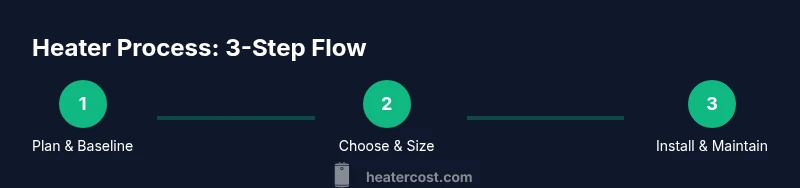
Month 1: define goals, gather data, and contact licensed contractors for quotes. Month 2: compare options using a standardized scoring sheet, verify permits, and refine the budget with potential incentives. Month 3: select a system, schedule installation, and prepare for the switch-over. After installation, schedule a professional check, test comfort, and set up a maintenance calendar. This sample plan illustrates how to move from concept to a safe, efficient heating solution that fits your home and budget. The Heater Cost team recommends starting with a clear plan and consulting licensed professionals to safeguard your investment.
Tools & Materials
- Measuring tape(at least 25 ft; use metric equivalents if needed)
- Notepad and calculator(for rough load estimates and cost worksheets)
- Safety gear (gloves, safety glasses)(protective gear for installation and testing)
- Digital thermometer or infrared thermometer(to assess indoor/outdoor temperature profiles)
- Digital multimeter (basic electrical tester)(for basic electrical checks when advised by a pro)
- Access to a reputable online heat load calculator(for initial sizing inputs and comparisons)
Steps
Estimated time: 2–6 weeks
- 1
Define goals and constraints
Articulate your comfort targets, initial budget, and any constraints like space, noise, or aesthetics. This guides every later decision, from technology choice to installation approach.
Tip: Document preferred outcomes and must-have features to avoid scope creep. - 2
Inventory and baseline audit
Take stock of current heating equipment, fuel type, age, and performance. Check insulation, air leaks, and duct integrity as these influence system sizing and energy use.
Tip: Use a simple checklist to ensure nothing is overlooked. - 3
Explore options and compare costs
Research heater types (gas, electric, heat pumps, etc.), gather quotes, and compare total cost of ownership across models and configurations.
Tip: Request a standardized quote format to compare apples to apples. - 4
Size the system accurately
Run a load calculation and match capacity to your home’s needs. Consider climate, insulation improvements, and potential future changes.
Tip: Avoid oversizing; it wastes energy and increases upfront costs. - 5
Plan installation and permits
Identify licensed professionals, verify credentials, and understand permit requirements and timelines.
Tip: Get written contracts detailing scope, timelines, and warranties. - 6
Budget, incentives, and financing
Incorporate incentives and financing options into your plan. Compare upfront costs with projected energy savings.
Tip: Check eligibility before ordering equipment to maximize rebates. - 7
Execute installation and tune-up
Schedule installation, verify safety tests (CO detectors, venting, gas leaks), and perform a post-installation check and thermostat setup.
Tip: Track all service dates and keep warranty records for easy reference.
Got Questions?
What is the heater process?
The heater process is the end-to-end approach for planning, selecting, installing, and maintaining a home heating system, focused on comfort and cost.
The heater process is the full cycle from planning to maintenance for your warming system.
How do I estimate the total cost of a new heater?
Start with equipment price, installation, permits, energy use, and maintenance over time. Use a cost worksheet to compare options.
Estimate total cost by listing purchase, installation, permits, energy use, and maintenance.
Which heater type offers the best long-term value?
Value depends on climate and home. Heat pumps and high-efficiency gas furnaces often balance upfront cost and operating cost, with solar-ready options.
It depends on your climate; heat pumps and efficient furnaces often provide strong long-term value.
Do I need permits to install a new heater?
Most installations require permits and inspections. Check local code and hire a licensed pro to ensure compliance.
Yes, permits are usually required; a licensed professional can handle filings.
How often should I service my heating system?
Have it inspected annually, with routine maintenance every fall before heavy use.
Annual professional service, plus seasonal checkups before winter.
What incentives exist to reduce heater costs?
Look for energy-efficiency rebates, tax credits, and utility programs. Availability varies by region.
There are rebates and tax credits in some areas; check local programs.
Where can I find reliable cost data for planning?
Consult credible sources such as government energy sites and university extension pages; use them to validate estimates.
Refer to government energy sites or university extensions for cost data.
Watch Video
The Essentials
- Define goals and constraints before choosing a heater.
- Size the system with a credible load calculation.
- Compare total cost of ownership, not just upfront price.
- Plan permits, installation, and safety checks early.
- Maintain a calendar for annual service and preventive maintenance.