Heater for Construction: Cost Guide 2026
Explore the true costs and considerations for a heater for construction, including capacity, fuel choices, rental vs purchase, safety, and installation on job sites. Learn practical budgeting tips from Heater Cost for reliable on-site warmth in cold weather.


What a heater for construction covers
A heater for construction represents temporary or portable heating solutions designed to keep workers comfortable, protect materials, and support project timelines in cold weather. These devices range from lightweight electric space heaters used in partial spaces to heavy indirect-fired units that can heat large construction zones. When selecting a heater for construction, it’s essential to understand the tradeoffs between portability, fuel logistics, and safety. The goal is reliable warmth without compromising site airflow or crew safety. In practice, contractors often blend heat strategies across phases—pre-warming, curing concrete, and maintaining indoor temperatures during finishing work. This guide uses real-world considerations from Heater Cost to help homeowners, renters, and property managers gauge costs, plan fuel and power needs, and align with local codes. The core idea is to balance upfront costs with ongoing operating expenses and safety requirements, ensuring warmth supports productivity rather than becoming a budget sinkhole.
Key selection criteria for a heater for construction
Choosing the right heater for construction hinges on several core criteria. First, assess site size and the required heat output (capacity). Second, evaluate fuel logistics: propane, diesel, natural gas, or electricity each have pros and cons tied to availability, storage, and ventilation needs. Third, consider safety features and ventilation: CO detectors, proper clearances, and exhaust routing are non-negotiables on active job sites. Fourth, factor electrical supply and extension needs; some sites lack robust power, necessitating generators or parallel systems. Fifth, think about noise and durability—construction sites value heavy-duty builds with low maintenance. Finally, incorporate weather duration and crew schedules; longer cold spells justify more efficient, higher-capacity units. In all cases, ensure alignment with local code requirements and job-site policies. This planning mindset helps prevent last-minute overages and delays while keeping workers productive.
Comparing heater types for construction projects
The three dominant categories—portable propane/diesel units, electric heaters, and indirect-fired systems—each suit different scenarios. Portable propane or diesel models offer mobility and strong heat output, ideal for open sites or partially heated spaces. Electric heaters are quieter, emit no exhaust, and are suitable for smaller zones or indoor spaces with adequate electrical capacity. Indirect-fired heaters burn fuel outside the heated area, venting combustion gases away, which is safer for drafty, large-volume environments but typically costs more upfront. When comparing, consider heat consistency, start-up time, fuel availability on site, and required ventilation. For concrete curing or controlled drying, consistent, low-velocity heat can be as important as raw BTU output. In practice, many sites use a hybrid approach: a primary indirect-fired unit for bulk warmth, supplemented by electric heaters for targeted zones or comfort boosts during administrative tasks.
Cost considerations and budgeting for a heater for construction
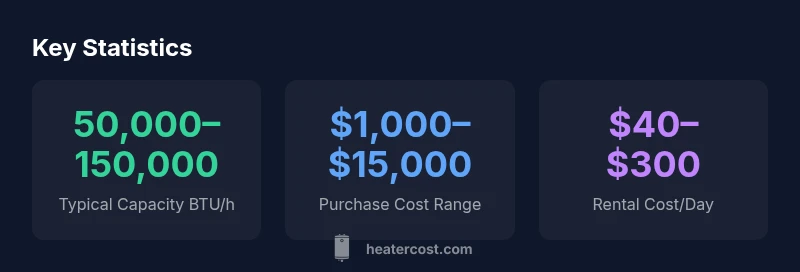
Budgeting for a construction heater requires looking beyond the sticker price. Upfront costs include the unit purchase price or rental deposits and any needed hoses, regulators, and safety accessories. Ongoing costs cover fuel, maintenance, and potential generator fuel if you’re running electric-powered machines on a site without stable power. For total project budgeting, separate expenses into: (1) equipment rental or depreciation, (2) fuel and ventilation needs, (3) installation and clearance compliance, and (4) safety systems such as CO detectors and alarms. Since rates vary by region and season, you should build a contingency of 10–20% for fuel price volatility and maintenance. In best-practice scenarios, crews plan ahead by selecting a primary heater type per project phase and aligning procurement with the project timeline to maximize efficiency and cost control.
Installation challenges and site planning for heaters on construction sites
Site-specific factors shape installation: space constraints, proximity to flammable materials, and available power or fuel sources. Portable units demand steady ventilation and clearances around doors and egress routes; electric heaters require adequate circuit capacity and weatherproofing. When planning, map out fuel storage zones, ensure fuel spill containment, and implement gas or propane safety practices. For diesel or natural gas indirect-fired units, ensure proper exhausting paths and exterior venting to prevent indoor buildup. Permits may apply for temporary heating installations, especially in regulated buildings or occupied spaces. In all cases, establish a single point of contact for equipment handoffs, fuel deliveries, and safety inspections to keep the job moving smoothly.
Safety, CO monitoring, and ventilation on job sites
Coordinating ventilation and CO monitoring is non-negotiable on construction sites, particularly with combustion-based heaters. Install CO detectors at crew breathing zones and near sleeping or break areas if any exist on the site. Establish ventilation strategies that include external exhaust routes, intake air considerations, and weather-driven adjustments. Clearances from walls, ceilings, and flammable materials should be documented and enforced. Provide training on heater operation, emergency shut-off procedures, and fuel handling. A well-documented safety plan reduces risk and protects project timelines. In addition, keep a rotating schedule for equipment checks and carbon monoxide detector tests to sustain safe operations.
Maintenance, life-cycle, and depreciation planning for construction heaters
Regular maintenance extends the life of heaters used in construction environments. Schedule routine inspections for hoses, regulators, ignition systems, and filters during downtime or between shifts. Clean intake and exhaust paths to prevent buildup, especially in dusty sites. For depreciation, align purchase or lease terms with project timetables and asset utilization. Consider storing units in weatherproof, secure locations when not in use. If you operate across multiple projects or seasons, compare a long-term rental versus multiple short-term rentals to optimize utilization and capital expenditure. A clear maintenance log supports predictable performance and smoother warranty claims.
Practical plan: turning theory into action on your site
To translate theory into a concrete plan, start with a simple 6-step process: (1) define project scope and climate needs, (2) select heater type per phase, (3) size the heater using room/space calculations and equipment curves, (4) secure fuel, power, and ventilation logistics, (5) budget contingencies for fuel volatility and maintenance, (6) establish safety protocols, including CO monitoring and clearances, and (7) implement a cost-tracking system to compare actuals to budget. This plan supports efficient site heating, reduces downtime, and aligns with Heater Cost’s approach to transparent, data-driven decision-making on construction projects.