Heated Overalls for Men: The Complete 2026 Guide
Explore heated overalls for men: features, battery life, care, and buying tips to maximize warmth and value for outdoor work in cold weather. This guide blends practical guidance with current cost ranges.


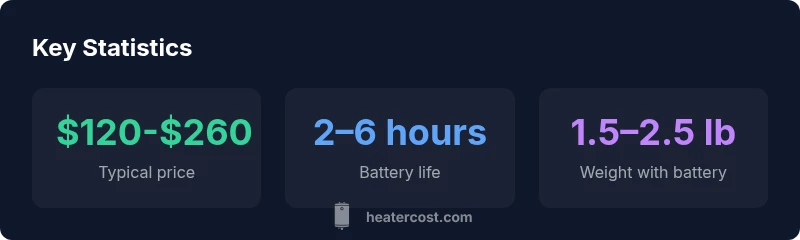
Heated overalls for men typically cost between $120 and $260, depending on battery life, number of heating zones, fabric, and weather rating. They combine insulated outerwear with integrated heating panels powered by a rechargeable battery, delivering hands-free warmth for outdoor work or cold environments. Models with advanced temperature control and safety shutoffs add to the price but improve reliability.
What heated overalls for men are
Heated overalls for men are purpose-built outer garments that integrate flexible heating elements and a rechargeable battery to provide targeted warmth where you need it most. They combine insulation, an outer shell, and intelligent temperature control so warmth is distributed across critical zones without requiring bulky layering. According to Heater Cost, the best models balance heat output with comfort, weight, and mobility, making them suitable for outdoor work in cold environments. Most units use lithium-ion batteries housed in a secure pocket or integrated compartment, with safety shutoffs to prevent overheating. When selecting a pair, look for a comfortable fit that allows for layering underneath, weather resistance appropriate to your climate, and clear indicators of heat zones and battery status. The right heated overalls for men can reduce fatigue and improve productivity by maintaining core warmth while preserving range of motion.
Who should consider heated overalls for men
Anyone who spends long hours outdoors in cold weather can benefit from heated overalls for men, including construction workers, utility technicians, outdoor guides, and maintenance crews. If you often find yourself layering and still feeling chilly, or you work in environments with wind chill or damp conditions, heated overalls offer a practical solution. They are also valuable for people recovering from injuries who need steady warmth without restricting movement. Be mindful of battery management and the need for dry storage between uses. Heater Cost analysis suggests that a well-chosen pair delivers reliable warmth without excessive bulk, helping you stay productive in winter months and reducing the risk of cold-related discomfort.
How to choose heated overalls for men
When evaluating options, prioritize heat delivery, battery life, and comfort. Look for models with 2–4 heating zones that cover legs and torso, adjustable temperature controls, and a quick-access power switch. Check the fabric and linings for wind resistance, water resistance, and breathability. A snug but not tight fit improves heat transfer and mobility. Verify the battery type, charging options, and whether the unit includes spare batteries or a fast charger. Finally, confirm washing instructions and safety certifications. A well-chosen pair should feel like a natural extension of your gear, not a bulky add-on, while offering predictable warmth across typical work shifts.
Inside the heating technology: what makes them work
Most heated overalls for men rely on flexible heating elements woven into the lining, often using carbon fiber or conductive threads. These elements are arranged in zones to target the thighs, torso, and lower back or knees, depending on model. A compact battery pack supplies power via a weatherproof controller that lets you adjust temperature levels. Modern designs include automatic shutoff if the temperature rises too high and low-battery alerts. The controller is typically integrated into the chest or sleeve and may offer pre-set heat profiles for cycling, static work, or exertion. With advances in battery chemistry and lightweight fabrics, the total garment can stay flexible and comfortable while delivering meaningful warmth in subfreezing conditions.
Battery life and charging logistics
Battery life for heated overalls varies with ambient conditions, heat setting, and how many zones are active. Real-world runtimes commonly fall into a 2–6 hour range, enough for a full morning or afternoon shift in many outdoor jobs. Expect charging times around 1.5–4 hours for standard packs, with longer cycles for higher-capacity batteries. Some models offer removable packs, which simplifies charging by letting you swap a fresh battery during breaks. If you anticipate longer shifts, plan for a spare battery so you don’t experience downtime for recharge. Proper storage and dry conditions when not in use help preserve battery health over time.
Comfort, fit, and layering considerations
Even the best heated overalls for men won’t feel comfortable if they don’t fit well. Choose a size that allows for base layers or midweight fleece without restricting movement. Look for ergonomic seams, adjustable cuffs, and a slightly loose but not baggy silhouette that promotes air circulation. Lightweight shell fabrics with a soft inner lining improve comfort against the skin and reduce heat buildup. Weight distribution matters: heavier batteries should be mounted closer to the torso to balance the garment. Consider the climate: colder, windier environments call for higher heat settings and more insulation, while milder weather benefits from lighter configurations and unzippable panels to vent excess heat.
Care, safety, and long-term maintenance
Care guidelines vary by model, but most heated overalls require battery removal before washing. Use cold water and mild detergent, and avoid machine drying to protect heating elements. Check for IP ratings on weather resistance and ensure seals around battery compartments remain intact after washing. Regularly inspect cables and connectors for wear, and replace any damaged components promptly. Store batteries in a cool, dry place and avoid exposing them to extreme heat. Manufacturers often provide warranty terms focused on heating elements and battery packs; understanding these terms helps you budget for maintenance over the garment’s life.
Cost, value, and budgeting for heated overalls
Entry-level heated overalls tend to sit in the low-to-mid price range, while premium models with more zones, stronger heat control, and better fabrics push toward the higher end. A reasonable budget for most homeowners and light industrial workers falls within $120–$260 per unit, with battery packs and accessories adding to the total. Ongoing costs include battery replacement every 1–3 years, depending on usage and care, and occasional repairs. When evaluating value, consider heat coverage, battery life, construction quality, and warranties. Spending more upfront can translate to longer lifecycle and lower downtime over several winters, especially in consistently cold climates.
Real-world use cases and scenarios
In cold outdoor environments such as construction sites, roadside maintenance, or hunting camps, heated overalls for men can be a practical way to maintain core warmth without layering into bulky coats. A typical use case involves a midweight base layer, the heated overalls, and a weatherproof shell. Users report improved comfort during long exposures to wind and damp conditions, and workers appreciate the ability to remain productive in subfreezing temperatures. Enthusiasts report using heated overalls for overnight fishing trips or early-morning shifts, where wind gusts and low temperatures would ordinarily necessitate heavy gear. Remember to follow local safety guidelines and manufacturer instructions for best results.
Trends and buying tips for 2026
As battery technology continues to improve and fabrics become lighter, heated overalls for men are likely to become more versatile and comfortable. Look for models with modular heat panels, improved heat-on-demand controls, and compatibility with external power sources. A growing emphasis on safety and IP ratings will help users operate in wet environments with less risk. When shopping, compare heat coverage, charging options, warranty terms, and overall garment weight. Heater Cost predicts a shift toward longer-lasting batteries and more energy-efficient fabrics that deliver steadier warmth across longer workdays.
Overview of heated overalls for men specifications
| Aspect | Details | Typical range |
|---|---|---|
| Price range | Entry to premium models | $120-$260 |
| Battery life per charge | Runtime under typical use | 2–6 hours |
| Heat zones | Number of heating zones | 2–4 zones |
| Weight (with battery) | Approximate weight | 1.5–2.5 lb |
Got Questions?
What should I consider when buying heated overalls for men?
Focus on heat delivery, battery life, fabric durability, and care requirements. Check heat zoning, temperature presets, and warranty terms. Compare models that suit your climate and typical work shifts.
Think about heat coverage, battery life, durability, and warranties when choosing heated overalls for men.
Are heated overalls waterproof?
Most units offer some water resistance, but you should verify an IP rating and seal integrity around pockets and battery compartments. Do not assume full waterproofing unless explicitly stated by the manufacturer.
Check for an IP rating and sealed components to ensure water resistance.
How long do batteries last in cold weather?
Battery performance drops in cold weather, but typical runtimes range from 2 to 6 hours depending on heat settings and zones active. Plan for shorter runtimes in very cold conditions.
Expect about 2 to 6 hours of warmth depending on use and temperature.
How should heated overalls be cleaned?
Remove batteries before washing. Follow the manufacturer’s washing instructions, generally cold water and mild detergent, and avoid high heat drying to protect heating elements.
Remove the battery and follow care instructions to protect the heating system.
Do heated overalls require special chargers?
Most use standard USB-C or dedicated chargers from the manufacturer. Check compatibility with your battery pack and ensure you have a suitable charging setup for work sites.
Check the charger type and battery compatibility before buying.
“"Heated garments can provide reliable warmth in outdoor work, but safety features and battery management should drive your buying decision."”
The Essentials
- Assess total ownership cost, not just upfront price
- Expect 2–4 heating zones and battery-powered warmth
- Choose models with safe shutoff and IP-rated weather resistance
- Plan for battery lifecycle and replacement costs