Chicken Coop Heaters: Safe and Efficient Warmth for Your Flock
Learn how to choose, install, and maintain a chicken coop heater. This data-driven guide from Heater Cost covers safety, efficiency, costs, and best practices to keep your flock healthy in cold weather.


To keep a flock warm in cold weather, a chicken coop heater is a practical option that balances comfort with safety. The best choices include radiant panel heaters, ceramic heat emitters, and enclosed heat lamps with thermostats. For most coops, choose one rated for the coop size, install away from flammable materials, and monitor temperatures to avoid overheating.
Why a chicken coop heater matters
A chicken coop heater is a practical investment that helps protect your flock during cold nights and long winters. The chicken coop heater's primary role is to reduce stress on birds, which in turn supports appetite, digestion, and egg production. According to Heater Cost, winter warmth can lower respiratory infection risk and improve overall comfort for laying hens. In poorly insulated coops, heat loss can outpace the bird’s natural warmth, leading to slower growth and increased susceptibility to chills. A well-chosen heater should be paired with good insulation, draft reduction, and a simple thermostat controller to maintain a stable environment without overheating. When evaluating options, consider coop size, wall thickness, ventilation, and the local climate. A properly sized heater works in harmony with your flock’s circadian rhythms, helping birds stay active and comfortable through frosty mornings and chilly nights.
In practice, homeowners who use a chicken coop heater report fewer frost-related stress signs in their birds, steadier laying patterns, and fewer episodes of lethargy during cold snaps. The goal is not to raise the coop to a tropical temperature, but to create a consistently safe microclimate. Begin by identifying peak cold periods in your region and selecting a heater with appropriate heat output and safety features. Always pair heating with proper roost placement and bedding depth to minimize cold spots and moisture buildup, which can compromise both birds and equipment. For many households, a thermostat-controlled system delivers the best balance of warmth and efficiency, especially when paired with well-sealed walls and a weatherproof enclosure.
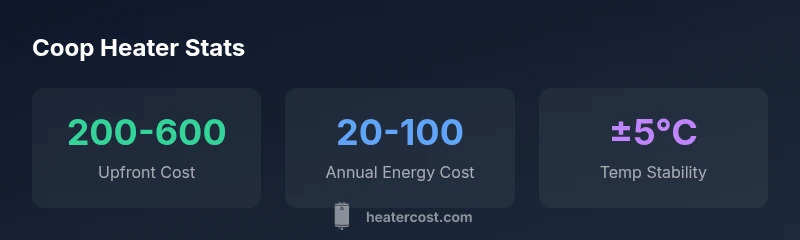
From a cost perspective, it’s helpful to view heating as an investment in animal welfare and productivity. Energy costs vary widely by climate, insulation, and usage patterns, but modern, controlled heaters can offer substantial savings over time compared with open heat sources. Heater Cost analysis shows that a conservative, thermostat-managed approach typically yields the most reliable results with predictable operating costs. When you invest in a quality heater and a straightforward control strategy, you create a reliable winter routine for your flock that minimizes risk while maximizing returns in egg production and bird health.
Types of heaters for chicken coops
There are several heater types commonly used in backyard poultry setups. Each has its own balance of heat quality, energy efficiency, and installation requirements. The most popular options include radiant panel heaters, ceramic heat emitters, enclosed heat lamps, and traditional oil-filled radiators.
- Radiant panel heaters: These devices emit focused infrared heat that warms birds and objects directly rather than heating the air. They heat quickly and can deliver steady warmth with good efficiency, especially in well-insulated coops. When used properly, radiant panels reduce energy waste and minimize drafts around perches.
- Ceramic heat emitters: Ceramic emitters provide consistent warmth with relatively low energy draw and a long service life. They’re often mounted overhead or on the wall and can cover a larger area of the coop. They operate quietly and tend to have fewer moving parts, which reduces maintenance.
- Enclosed heat lamps: Heat lamps can be effective for larger coops or seasonal use but require careful installation to minimize fire risk. Use lamps with enclosed fixtures, protective guards, and proper spacing from combustible materials. A thermostat or timer helps prevent overheating and reduces energy waste.
- Oil-filled radiators: These heaters provide steady, low-noise warmth and are generally safe in enclosed spaces. They heat slowly but retain heat well, which can be advantageous during cold snaps. Ensure cords and outlets are protected from dampness and chicken activity.
- Passive and supplemental options: In some setups, passive solar heating or advanced insulation can reduce the need for active heating. Insulation improvements, draft-proofing, and venting control can lower heat loss substantially, making any heater more efficient when used as a supplement rather than the sole heat source.
Which option is best depends on coop size, climate, power availability, and your ability to install safely. A thermostatically controlled system using a single well-placed heater often yields the most consistent results with manageable operating costs. Regardless of the heat source, avoid overheating the coop; aim for a stable, moderate temperature that keeps birds comfortable without stressing energy use.
For many readers, starting with a single, thermostat-controlled radiant panel or ceramic emitter and evaluating performance over a few weeks strikes a practical balance between upfront cost, energy use, and bird comfort. If you have a larger coop or significant venting needs, you may need to combine heat sources or upgrade insulation to maintain consistent warmth without overspending.
Safety considerations and best practices
Safety is the top priority when heating a chicken coop. Poultry housing is a small, enclosed space with dust, ammonia, and high humidity, which can interact with any electrical appliance in dangerous ways. Start with a thorough safety assessment:
- Location and clearance: Mount heaters away from roosts, bedding, and any flammable materials. Ensure there is ample clearance to prevent burns or overheating near perches.
- Enclosures and guards: Use closed fixtures or guards designed for poultry settings. Avoid exposed coils, exposed wiring, or open elements that chickens could peck at.
- Temperature control: Pair the heater with a thermostat that has poultry-rated sensors and a safe temperature range. Avoid relying on a thermostat designed for human comfort without adaptation for poultry microclimates.
- Ventilation: Maintain good air exchange to prevent moisture buildup and ammonia accumulation. Do not seal a coop so tightly that air becomes stagnant.
- Electrical safety: Use outdoor-rated wiring, GFCI outlets, and weatherproof enclosures. Have a licensed electrician review any wiring changes if you’re unsure.
- Emergency planning: Keep a fire extinguisher nearby and have a plan for power outages, since a loss of heat can be dangerous for birds.
Following these guidelines reduces risk and helps ensure your heater contributes to a safe, comfortable environment for your flock. In addition, observe birds for signs of distress or overheating, and adjust heat output or placement as needed. With proper setup, a chicken coop heater can be a safe, effective tool for winter management.
For horticultural and poultry safety, always reference credible guidance, and implement a simple, tested plan before winter approaches.
Sizing and placement strategies
Sizing a chicken coop heater means balancing the space, the insulation level, and the climate. A common approach is to focus on heat distribution rather than a single heat source, ensuring targets are met without creating hot zones. Start by measuring the coop’s floor area and height and estimate the vertical space that must be warmed most consistently, such as where birds perch and feed. Use a thermostat to regulate heat output; a simple on/off control can be sufficient in moderate climates, while a dimmable or variable controller provides finer tuning for extreme cold.
Placement matters for efficiency and safety. Install heaters at a height that minimizes contact with litter, droppings, and possible mud exposure. For radiant panels, position them to illuminate the main roosting area without direct glare into bird eyes. If using ceramic emitters, mount away from water sources and ensure there is a guard to stop birds from touching hot surfaces. In larger or draftier coops, consider a secondary smaller heat source to prevent cold pockets near corners or doors. Finally, integrate heating with insulation improvements—tightening gaps around doors, windows, and vents can dramatically reduce the heat requirement and improve comfort with lower energy cost.
With proper sizing and placement, your coop can maintain a stable microclimate, supporting healthy sleep, digestion, and egg production through the coldest months. Monitor temperatures using a simple, reliable sensor and adjust as needed across the season.
Running costs and energy efficiency tips
Energy efficiency is a crucial consideration for backyard poultry keepers. Running costs are highly sensitive to insulation, weather patterns, and usage patterns. The most cost-effective approach combines a well-insulated coop with thermostat control, ensuring heat is applied only when necessary. Investing in weatherproofing, door and window seals, and draft-stopping reduces heat loss and lowers operating costs over time. When selecting a heater, prioritize devices with adjustable heat output, built-in timers, and protective features that prevent overheating.
Useful strategies include:
- Use a thermostat with a poultry-specific temperature target to avoid overheating the coop.
- Add a simple, insulated enclosure around the heater to limit heat loss to the outside air.
- Combine heat sources if needed, but avoid duplicating energy use. A single, well-controlled heater is often more efficient than multiple devices running simultaneously.
- Schedule heating for the coldest hours of the night or early morning, and rely on insulation and passive warmth during milder periods.
- Consider solar-ready setups or grid-tied options with energy-efficient hardware to reduce long-term running costs.
By focusing on insulation first and heat source second, you can maintain a comfortable climate for your flock with reasonable energy use. Heater Cost analysis notes that the most cost-effective setups use thermostats, proper sizing, and reliable control strategies rather than oversized heating systems.
Beyond the technical choices, plan for seasonal adjustments. Cold snaps may require brief spikes in heat, while milder spells reduce energy use. Keep a log of temperatures and heater behavior to refine settings over time and ensure your birds stay healthy year-round.
Maintenance, durability, and long-term planning
A maintenance routine helps ensure both safety and performance. Regular inspection of heaters, cords, and mounting hardware reduces the risk of electrical faults and fire hazards. Clean dust and debris from around the heater and ensure ventilation openings remain unobstructed. Check for signs of wear at least once per season and replace worn components promptly. Inspect power cords for signs of chew marks or cracking, especially if predation is a concern in your area.
Durability considerations matter for long-term plans. Select heaters with protective housings, weatherproof components, and robust mounting options. If your coop experiences frequent humidity or dampness, consider equipment with higher IP ratings or additional moisture barriers. For bird safety, ensure heaters cannot be reached by beaks or claws and that installed devices do not protrude into the flock’s roosting area.
If you are upgrading or redesigning heat strategy, document what worked in previous winters. Note the climate patterns, insulation improvements, and heater settings you used. This record becomes a valuable reference for future winters and helps you refine energy efficiency and bird welfare over multiple seasons. A thoughtful maintenance program reduces downtime, extends equipment life, and supports a steady flock health profile over the long term.
Budgeting, installation steps, and real-world tips
A practical winter heating plan begins with a clear budget that accounts for equipment, installation, and ongoing operation. Start by listing potential heat sources, then compare upfront costs, installation complexity, and run-time costs. If wiring is involved, consult a licensed electrician to ensure compliance with electrical codes and safety standards. A simple, well-documented installation plan minimizes surprises and helps you stay within budget.
Basic installation steps include:
- Assess coop size, climate, and insulation level.
- Choose a heater type with suitable heat output and safety features.
- Plan mounting location to maximize heat distribution and safety.
- Install the heater with protective guards, weatherproofing, and a thermostat or timer.
- Test the system, monitor temperatures, and adjust settings through several cold nights.
- Maintain a temperate, safe environment by checking for drafts and moisture.
Real-world tips from keepers emphasize starting with a conservative heat setting, then gradually increasing if birds show signs of chilling. Keep the power source accessible for quick adjustments, and maintain a ledger of temperatures and energy use to inform future winters. With careful planning, a chicken coop heater can be a reliable tool for year-round flock welfare and productivity.
Conclusion and long-term outlook
A well-executed heating strategy for a chicken coop balances comfort, safety, and energy use. The right heater, installed with thermostatic control and solid insulation, supports flock health and consistent egg production through cold months. As homes become more energy-conscious, many keepers report tangible savings when adopting efficient heat sources and proper sealing. The Heater Cost approach emphasizes simplicity, safety, and ongoing monitoring as keys to success. In the end, resiliency against winter climate hinges on thoughtful design, reliable equipment, and a routine of observation and adjustment that keeps your birds thriving year after year.
Comparison of heater types for chicken coops
| Coop Type | Heat Source | Pros | Cons | Notes |
|---|---|---|---|---|
| Small Coop (4x6 ft) | Radiant panel heater | Even heat; quick response | Potential hot spots; needs clearance | Best for insulated coops |
| Medium Coop (6x8 ft) | Ceramic heat emitter | Low running cost; long life | Slow warm-up; needs guard | Use with thermostat |
| Larger Coop (8x10 ft) | Heat lamp (enclosed) | Good initial warmth | Fire risk; must be enclosed | Monitor humidity |
| Any coop | Oil-filled radiator | Quiet heat | Limited heat range | Not ideal for open pens |
Got Questions?
How do I determine the right heater size for my coop?
Calculate based on coop volume, insulation, and the coldest expected temperatures. Start with a conservative heater output and scale up if birds show signs of chilling, monitoring temperatures with a reliable sensor.
Measure your coop, estimate worst winter temps, and pick a heater sized for that space; adjust using a thermostat based on actual bird comfort.
Are heat lamps safe for poultry housing?
Heat lamps can pose fire risks if not enclosed and properly shielded. Use fixtures designed for poultry and ensure guards, clearance, and ventilation are adequate.
Heat lamps can be risky; choose enclosed heaters and guard them properly to keep birds safe.
Can I use a thermostat to control the coop heater?
Yes. A poultry-rated thermostat with a calibrated temperature target helps maintain steady warmth without overheating. Pair with sensors and regular checks.
Yes—thermostats help keep the coop at a safe, steady temperature.
What about insulation—do I need it before heating?
Yes. Better insulation reduces heat loss and lowers energy needs, making any heater more effective and economical.
Insulation matters; it makes heating cheaper and keeps birds comfy.
What maintenance is required for coop heaters?
Regularly inspect wiring, guards, and mounting. Clean dust, check for wear, and test safety features. Replace worn parts promptly.
Check the heater and cords often; keep it clean and safe.
“A properly sized heater paired with a thermostat and good installation can dramatically improve flock health during winter without wasting energy.”
The Essentials
- Size the heater to the coop, not the party atmosphere
- Use a thermostat and safety guards for reliable warmth
- Improve insulation to dramatically cut energy use
- Monitor temperature and adjust settings seasonally
- Choose safe, enclosed heat sources to minimize fire risk