York Heater Costs: A Practical Guide for Homeowners
A comprehensive guide from Heater Cost on York heater costs, installation considerations, maintenance, and long‑term ownership. Learn how to compare models, estimate total cost, and maximize efficiency with practical tips for homeowners and property managers.


A york heater refers to home heating equipment manufactured under the York brand, including gas furnaces, electric furnaces, and heat pumps. The brand is known for practical efficiency and a broad service network. When evaluating a york heater for a home, consider efficiency ratings, installation compatibility with existing ductwork, and long‑term maintenance costs. This Heater Cost guide explains how to compare models and estimate total ownership costs without relying on guesswork.
York Heater Brand Overview
York is a long‑standing HVAC brand that offers a range of home heating solutions, including gas furnaces, electric furnaces, and heat pumps. In this overview, we explore what makes a york heater distinctive, the brand’s market positioning, and what homeowners should expect regarding warranty, service networks, and ongoing support. The Heater Cost team notes that york heater installations typically benefit from broad parts availability and an established contractor base, which can translate into easier service after purchase. The brand emphasizes efficiency, with modern models featuring strong energy performance and quiet operation. When selecting a york heater for a home, climate, ductwork design, and existing system compatibility are key considerations. Modular configurations and variable‑speed blower technology can improve comfort and reduce energy use when combined with regular maintenance. For property managers evaluating multiple units across buildings, york heater options often simplify procurement with standardized components and predictable installation steps. This practical overview uses the Heater Cost lens to compare upfront costs against long‑term ownership value.
Key Models and Configurations
York offers a spectrum of heating solutions designed for different home sizes and load profiles. Typical configurations include gas furnaces, electric furnaces, and heat pumps, with options for single‑stage, two‑stage, and modulating operation. Variable‑speed blowers and ECM motors are common in newer york heater models, delivering improved comfort through tighter temperature control and reduced cycles. For homeowners, the choice often hinges on climate, existing ductwork, and compatibility with cooling equipment if you’re pairing a heat pump. York’s modular approach can simplify future upgrades, such as adding zoning or upscaling efficiency. When comparing models, focus on three things: overall efficiency, installed cost, and expected maintenance needs. A well‑matched york heater paired with a modern thermostat and smart controls can deliver reliable comfort across seasons while maximizing energy savings.
Installation Considerations and Sizing
Sizing a york heater correctly is essential to keep you comfortable and avoid wasted energy. A professional HVAC contractor should perform a Manual J load calculation to determine the appropriate unit size for each space and to avoid oversized or undersized equipment. Ductwork integrity, sealing, and insulation play important roles in delivering the rated efficiency. In addition to proper sizing, ensure proper venting and combustion air supply for gas models, and verify electrical wiring and thermostat compatibility. If you’re replacing an older system, plan for potential ductwork improvements, air handler upgrades, and refrigerant line modifications for heat pumps. Expect installation to cover equipment mounting, fuel supply connections, electrical connections, startup testing, and system commissioning. With York systems, many installers rely on standardized components to streamline service and reduce installation variance.
Maintenance and Longevity
Maintenance is a key driver of york heater longevity and performance. Schedule annual professional inspections to verify ignition systems, heat exchangers, and heat transfer performance. Regular filter changes, especially during heavy use seasons, help maintain airflow and system efficiency. Listen for unusual noises, check for inconsistent temperatures, and monitor for any signs of moisture or corrosion around the unit. Warranty terms often hinge on following a regular maintenance schedule, so keep service records and stay on top of recommended parts replacements like air filters and capacitors. A proactive maintenance routine not only protects investment but also sustains comfort and energy efficiency across weather cycles.
Cost Considerations and Financing
Total ownership costs include equipment price, installation, permits, and long‑term operating expenses. York heaters can vary in upfront cost based on configuration, efficiency, and installation complexity. When evaluating options, look beyond the sticker price and calculate the total cost of ownership over the system’s expected life. Financing options, extended warranties, and maintenance plans can help manage upfront expenditure while preserving long‑term value. Check for local incentives or rebates, and consider how the system’s efficiency improvements translate into annual energy savings. The Heater Cost approach emphasizes conservative budgeting: plan for contingencies in case of ductwork upgrades or zoning expansion, and prioritize reliability and serviceability when comparing York models.
York vs. Competitors: Where It Shines
York heaters stand out for reliability, a broad dealer network, and a range of efficiency levels. They are often a solid choice for homes that require robust heating with straightforward service. However, every market has competing brands with unique strengths in warranty terms, parts availability, and cold‑weather performance. When assessing a york heater, compare to other major brands on three core criteria: energy efficiency, installation cost, and long‑term maintenance needs. In the end, the right choice depends on your climate, home design, and contractor familiarity. The Heater Cost team recommends evaluating models in the context of total lifecycle cost rather than upfront price alone.
Step-by-Step Evaluation When Replacing an Old Furnace
- Define your comfort needs and climate considerations. 2) Have a qualified technician perform a load calculation. 3) Compare york heater models across efficiency, cost, and maintenance. 4) Plan ductwork checks and potential upgrades. 5) Review warranty terms and maintenance requirements. 6) Secure financing or rebates if available. 7) Schedule installation with a trusted HVAC professional and track system commissioning. This structured approach helps ensure you select a york heater that aligns with energy goals, budget, and home design.
York heater model landscape (illustrative)
| Model Type | Typical Efficiency/Performance | Common Applications |
|---|---|---|
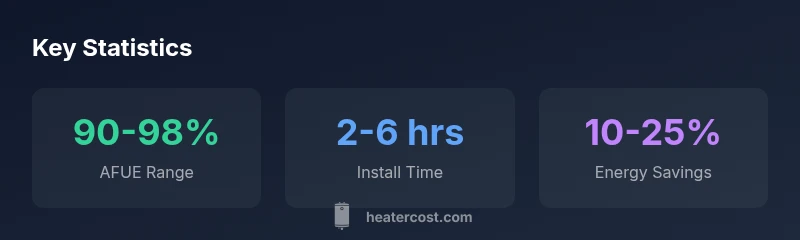
| Gas Furnace (York) | AFUE 90-98% | Residential heating, colder climates |
| Electric Furnace (York) | Efficiency 100% AFUE | Supplemental or backup zoning, milder climates |
| Heat Pump (York) | SEER/HSPF varies by model | Year‑round heating and cooling in moderate climates |
Got Questions?
What is a york heater?
A york heater is a line of home heating equipment from the York brand, including gas furnaces, electric furnaces, and heat pumps. These systems are designed to deliver reliable warmth with varying efficiency levels. When choosing, focus on model compatibility with your home and the long‑term maintenance plan.
York heaters are a family of home heating units, including gas, electric, and heat pumps. Look at efficiency and maintenance when choosing one.
Is York a reliable heating brand?
York is a long‑standing HVAC brand with a broad service network and widely available parts. Reliability often correlates with proper installation, sizing, and regular maintenance. Always work with a qualified contractor to maximize performance.
York has a strong service network; the real key is proper installation and regular maintenance.
How does a York heat pump differ from a York furnace?
A York heat pump provides both heating and cooling using refrigerant cycles, while a York furnace uses combustion or electric resistance to generate heat. Heat pumps excel in moderate climates and with auxiliary resistance when very cold, whereas furnaces deliver robust warmth in cold weather.
Heat pumps heat and cool using refrigerant cycles; furnaces rely on combustion or electricity for heat.
What should I consider when sizing a York heater?
Professional load calculations determine the correct unit size to meet comfort needs without oversizing. Correct sizing improves efficiency, reduces energy waste, and minimizes cycling. Always request a Manual J assessment during the evaluation.
Have a pro do a load calculation to pick the right size.
Are York heaters eligible for energy rebates or tax credits?
Many energy efficiency upgrades qualify for rebates or tax credits at the federal, state, or local level. Check current incentives for your area and consult your installer about eligible York models and participation in rebate programs.
Check local incentives and rebates; your installer can help identify York models that qualify.
What maintenance does a York heater require annually?
Schedule a yearly professional inspection to inspect ignition or burner components, heat exchanger integrity, electrical connections, and airflow. Regular filter changes and duct inspections help sustain performance and extend the system’s life.
Have an annual tune‑up and change filters regularly.
“Choosing a york heater should balance upfront cost, efficiency, and installation quality. Proper sizing and professional maintenance yield the best long‑term comfort.”
The Essentials
- Identify your climate to select the York heater type.
- Prioritize high‑efficiency York models for long‑term savings.
- Have proper sizing to avoid comfort and efficiency issues.
- Include installation, permits, and maintenance in total cost.
- Compare total cost of ownership, not just upfront price.