Aladdin Blue Flame Heater Review: Costs, Performance, and Guidance
In-depth review of the Aladdin Blue Flame Heater: performance, safety, fuel costs, and ideal use cases. Heater Cost analyzes who benefits most and what to watch for.


The Aladdin Blue Flame Heater delivers compact radiant heat with blue flame technology, offering fast warm-up and portability. It generally costs less upfront than full central heating and can be a good supplemental heat source for small spaces or emergencies. However, it may have higher operating costs and safety considerations compared with modern electric heaters; for primary heating, alternatives may be more efficient.
Overview of the Aladdin Blue Flame Heater
The aladdin blue flame heater has become a familiar sight in off-grid cabins, basements, and emergency kits. This compact kerosene-powered device relies on radiant blue-flame heat to warm nearby objects and people rather than circulating air. For homeowners and renters, it offers portability and a quick warmth boost without tying you to an electrical outlet. In examining its value, it’s important to balance upfront cost, fuel availability, ventilation needs, and ongoing fuel costs. According to Heater Cost, this heater can fill niche roles where space is limited and power is unreliable, but it should not replace a primary heating system in a large home. Expect variable performance depending on room size, insulation, and heater model, and plan for safe storage of fuel when not in use.
Aladdin Blue Flame Heater: How it Works and Fuel Choices
The Aladdin blue flame heater typically burns kerosene and uses a wick-based burner to sustain a blue-flame combustion. The distinctive blue flame is often marketed as a sign of cleaner combustion, though all kerosene heaters require ventilation and routine maintenance. Wick care, regular cleaning, and proper fuel quality are essential to maintaining efficiency and safe operation. Some early models tolerate lamp oil with caution, but standard kerosene remains the most widely recommended option. In practice, you’ll perform wick trimming, replace old wicks, and clean the burner head periodically to prevent soot buildup that can reduce heat output. For many homes, the heater serves as a portable heat source for a single room rather than a whole-house solution, which keeps fuel costs predictable and usage manageable.
Performance in Small Spaces: Quick Warmth and Zonal Heating
In compact spaces such as small apartments, cabins, or garages, the aladdin blue flame heater shines with rapid warmth. Radiant heat from the blue flame heats nearby surfaces quickly, creating a comfortable microclimate without overheating the entire room. The portability means you can reposition it to target cold spots or use it as an emergency heat backup during power outages. However, in poorly insulated spaces, heat retention may be fleeting, and you’ll need to monitor fuel use to avoid running costs spiraling. Users should measure the room volume and compare it to heat output in BTU/hr to estimate how many hours of operation they can expect per tank.
Heat Distribution and Radiant Heat Explained
Unlike convection heaters that warm air, a radiant blue flame heater like Aladdin primarily warms occupants and objects in its line of sight. This can feel more efficient in smaller rooms, as you don’t rely on creeping warmth to fill every corner. The downside is uneven heating: corners farther from the heater may stay cooler, and drafts can reduce perceived warmth. For best results, place the unit on a stable, nonflammable surface with clearances from walls and furnishings, and consider supplemental insulation to maximize perceived warmth without excessive fuel use.
Safety, Ventilation, and Best Practices
Ventilation is critical when operating any kerosene heater, including the Aladdin blue flame heater. Ensure a well-ventilated space, and use CO detectors in occupied rooms. Keep combustibles at a safe distance and never leave the heater unattended, especially around children or pets. Regular wick inspection and burner cleaning reduce the risk of soot buildup, which can clog essential vents and degrade efficiency. Following manufacturer guidelines for shutoff switches, fuel storage, and cap replacement helps prevent accidental leaks and fire hazards. In addition, maintain a clear area around the heater to minimize accidental contact.
Fuel Costs and Efficiency Considerations
Fuel costs for a kerosene heater depend on local fuel prices, usage patterns, and room size. While upfront costs are often lower than central heating systems, ongoing fuel expenses can add up if the heater runs for extended periods. Efficiency varies by model and condition; keeping the wick clean and using clean fuel can maximize heat output per dollar. When comparing options, consider your climate, space, and how often you’ll run a portable heater. Heater Cost’s analysis suggests running scenarios to estimate monthly fuel spend and to decide whether to prioritize fuel-efficient electric space heaters for longer sessions.
Maintenance and Troubleshooting Tips
Routine maintenance is essential to preserve performance and safety. Inspect the wick for wear and replace as needed to prevent fuel starvation. Keep the burner free of soot, and check the cap seals for tightness. If you notice weak flame or uneven heat, verify fuel quality, wick position, and vent clearance. Leaks, rust, or corrosion should trigger a safety review and possible replacement. Keep a basic tools kit on hand and a spare wick in your fuel storage. Regular inspections after storage periods help ensure the unit operates safely when you need it most.
Durability and Longevity: What to Expect
With proper care, many Aladdin blue flame heater models deliver years of reliable service. The main wear items are the wick and seals, both of which benefit from periodic inspection and replacement. Material quality in mid-range units tends to be consistent, though cheaper replicas may exhibit faster wear or less consistent flame color. Longevity is influenced by usage patterns, fuel quality, and cleaning frequency. User manuals emphasize safe handling and proper shutdown procedures to extend the device’s life. As with any older technology, plan for eventual parts replacement as market availability shifts.
Installation, Placement, and Venting Considerations
These heaters are designed for simple placement and do not require a complex venting system, but they do demand a ventilated environment. Place the unit on a level, non-flammable surface with ample clearance of at least several feet from walls and furniture. Do not use in bathrooms or damp spaces, and never operate on unstable surfaces. For renters, check local regulations and ensure that fuel storage complies with safety guidelines. When temporary heat is needed, use the heater in the smallest suitable space and close doors to maximize efficiency.
Price Range, Value, and What to Watch For
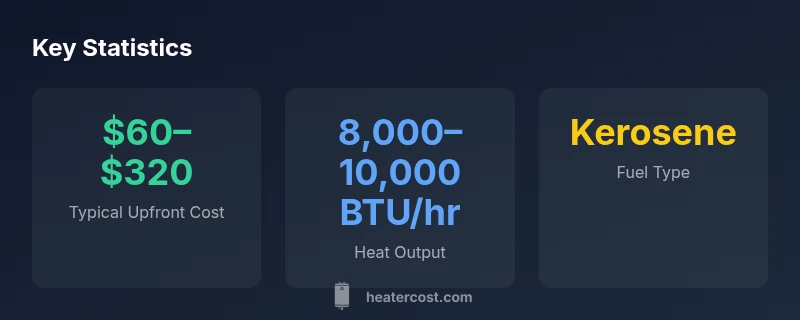
Prices for the Aladdin blue flame heater vary by region and model, but it’s typically lower upfront than full-home heating. Consider your expected runtime, maintenance costs, and fuel prices in your area to determine value. Look for models with robust burner assemblies, clear fuel gauges, and standardized wick components. Warranty terms vary; longer warranties indicate confidence in durability. When evaluating value, compare total cost of ownership over a winter season rather than only upfront price.
Buying Guide: What to Look For in a Portable Kerosene Heater
When shopping for an Aladdin blue flame heater, verify the flame stability, burn quality, and safety features such as cap locks and stable bases. Check that the unit uses standard kerosene and that you understand wick replacement intervals. Read user reviews about fuel efficiency, heat consistency, and noise level. A good buys guide also considers fuel availability in your locale, storage safety for extra fuel, and ease of maintenance. This helps ensure you get a reliable tool that meets your specific space and usage needs.
Common Misconceptions and Myths
A common myth is that all kerosene heaters are unsafe indoors. With proper ventilation, appropriate clearance, and CO monitoring, a typical kerosene heater can be used safely in a well-ventilated space. Another misconception is that newer electric heaters are always cheaper to run; fuel costs and local electricity rates can make kerosene heaters cost-effective in certain scenarios. Finally, some buyers assume that more BTU/hr always means better comfort; heating efficiency depends on space, insulation, and usage patterns.
The Good
- Low upfront cost compared with central heating
- Fast warm-up and targeted heat for small spaces
- Portable and easy to move between rooms
- Simple maintenance with replaceable wicks and parts
Negatives
- Ongoing fuel costs can be high in cold climates
- Ventilation needs and CO monitoring are mandatory
- Uneven heat distribution in larger rooms
- Not suitable as a primary heating solution in larger homes
Best as a supplementary heat source for small spaces and emergencies
The Aladdin blue flame heater offers portability and rapid warmth at a modest upfront cost. It works best when used in ventilated spaces and for short-duration heating. For primary heating needs or larger rooms, other solutions may be a better long-term value.
Got Questions?
What is the Aladdin Blue Flame Heater and how does it work?
It is a portable kerosene space heater that uses a blue-flame burner to radiate heat. It relies on a wick system and requires ventilation. Regular wick maintenance and safe handling are essential for reliable operation.
It's a portable kerosene heater that uses a blue flame for warmth. Make sure the space is ventilated and keep up with wick maintenance.
Is it safe to use indoors?
Indoor use is permissible in well-ventilated areas with a CO detector installed. Follow manufacturer guidance for clearance from combustibles and never leave it unattended. Ventilation is essential to prevent buildup of fumes.
Yes, but only with good ventilation and a CO detector. Don’t leave it unattended.
What fuels does it require?
Kerosene is the standard fuel for Aladdin blue flame heaters. Some models tolerate lamp oil in a pinch, but using proper kerosene generally yields the best burn quality and safety. Always verify fuel type before refilling.
Typically kerosene; check your model for any recommended alternatives.
Do I need ventilation, and how much?
Yes. Ventilation minimizes the risk of carbon monoxide buildup. Use a window or door crack and activate a CO detector in the space where the heater operates.
Yes, keep a vent open and use a CO detector.
How do I maintain it?
Regularly inspect and replace the wick, clean the burner head, and check seals. Store fuel safely away from living areas and perform periodic checks after long storage. Follow the manual for shutdown and cool-down procedures.
Check the wick, clean the burner, and store fuel safely.
Can this heater replace central heating?
Typically not. It’s best used as supplementary heat for small spaces or as an emergency backup. For extended cold seasons or larger homes, a central heating system or electric heat may be more cost-effective in the long run.
Usually not a primary heat source; best for backup or small spaces.
The Essentials
- Choose for portability and fast, localized warmth
- Plan for ventilation and CO monitoring
- Compare total ownership costs, not just upfront price
- Maintain wick and burner for reliable performance
- Fit this heater to small spaces, not whole-home heating